


Quadruplex Cable: A Reliable Choice for Modern Electrical Distribution
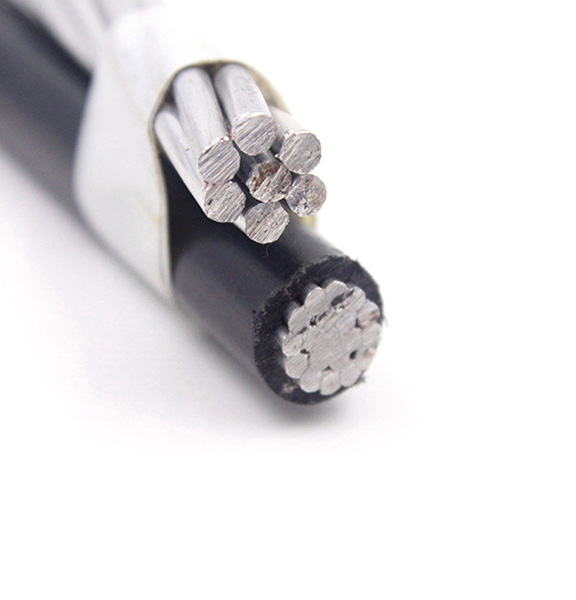
Electrical distribution systems require cables that can handle demanding conditions while maintaining consistent performance. Among the many cable types used in power networks, quadruplex cable has become a practical option for overhead electrical distribution, service connections, and other applications where reliable power transmission is essential.
Designed with multiple conductors arranged together in a compact configuration, this type of cable provides an organized solution for distributing electrical power. It is commonly associated with low-voltage and secondary distribution networks and can be found in residential, commercial, industrial, and utility environments.
Understanding the construction, applications, selection factors, and installation considerations of quadruplex cable can help contractors, electrical professionals, and project planners choose an appropriate cable for their specific requirements.
What Is a Quadruplex Cable?
A quadruplex cable is an electrical cable consisting of four conductors twisted or assembled together as a single cable formation. In many common configurations, three conductors are used for power phases while the fourth conductor serves as a neutral conductor.
The conductors are generally made from aluminum or another suitable conductive material, depending on the cable specification and intended application. Insulation is applied around the individual conductors to provide electrical separation and help protect the cable from environmental conditions.
The four-conductor arrangement creates a compact cable that can be used for overhead distribution systems without requiring four completely separate cables to be installed independently.
The exact construction of a quadruplex cable can vary according to voltage rating, conductor size, insulation material, temperature rating, mechanical requirements, and applicable electrical standards.
How Quadruplex Cable Is Constructed
The construction of quadruplex cable is carefully designed to meet electrical and mechanical requirements.
A typical cable starts with conductive cores manufactured to a specified cross-sectional area. Aluminum is widely used in overhead distribution applications because it provides a practical balance between conductivity, weight, and material cost.
Each conductor is covered with an insulating layer. The insulation helps prevent unwanted electrical contact between conductors and provides protection against external environmental exposure.
The four insulated conductors are then arranged together, normally through a controlled twisting process. This creates the recognizable bundled appearance associated with quadruplex cable.
Depending on the manufacturer and specification, the cable may use different insulation compounds and conductor arrangements. Professional manufacturers produce these cables according to established standards to ensure consistency in dimensions, electrical properties, and quality.
Common Applications of Quadruplex Cable
Quadruplex cable is frequently used in electrical distribution systems where several conductors need to be installed together.
One important application is overhead secondary distribution. Electrical utilities can use bundled conductors to carry electricity from distribution equipment toward buildings, residential areas, and other connected loads.
It can also be used for service connections between distribution networks and individual properties. Depending on local electrical regulations and the cable's rating, it may be suitable for residential and commercial power connections.
Construction projects can also require this type of cable when temporary or permanent electrical distribution systems are being developed. Industrial facilities, workshops, warehouses, and agricultural installations may use suitable configurations where overhead electrical distribution is required.
The precise application should always be determined by the cable's technical specification, local electrical codes, system voltage, installation environment, and requirements established by the electrical engineer or utility provider.
Quadruplex Cable for Overhead Distribution
Overhead electrical networks require cables that can withstand outdoor exposure and mechanical forces. Unlike indoor wiring, overhead cables may experience sunlight, wind, temperature changes, moisture, and other environmental conditions.
A quadruplex cable creates a bundled conductor arrangement that can be installed along overhead distribution routes. The compact configuration makes it easier to manage multiple conductors as part of one coordinated cable system.
When used in overhead systems, appropriate supporting hardware, clamps, connectors, and installation techniques are essential. The cable must be installed according to the manufacturer's specifications and the requirements of the relevant electrical authority.
Correct sag, tension, clearance, and support spacing are important considerations during installation. These factors can vary according to the cable size, span length, environmental conditions, and applicable standards.
Choosing the Appropriate Cable Size
Selecting the correct size is one of the most important decisions when specifying a quadruplex cable.
Cable size is generally associated with the conductor's cross-sectional area and current-carrying capacity. A cable must be appropriately sized for the expected electrical load and installation conditions.
Voltage drop should also be considered, particularly when electricity needs to travel over longer distances. A cable that is technically capable of carrying the current may still require a different size when the installation has a significant length.
Other factors include ambient temperature, installation method, conductor material, permissible operating temperature, short-circuit conditions, and local electrical regulations.
Instead of selecting a cable solely based on physical appearance or price, electrical professionals should review the manufacturer's technical data and calculate the requirements of the complete electrical system.
Aluminum and Other Conductor Materials
Aluminum is commonly associated with overhead distribution cables because of its relatively low weight and suitability for many power-distribution applications.
Copper may also be used in electrical cables where its particular electrical and mechanical characteristics are required. The choice between conductor materials depends on the application, system design, budget, installation conditions, and applicable standards.
When comparing different quadruplex cable options, it is important to examine the actual conductor specification rather than relying only on the cable name. Two cables may both be described as quadruplex cables while having different conductor sizes, insulation types, voltage ratings, and permissible operating temperatures.
Insulation and Environmental Conditions
The insulation surrounding the conductors plays an important role in the overall cable design. Outdoor electrical cables must be manufactured with insulation suitable for the environment in which they will operate.
Exposure to sunlight, moisture, heat, cold, and mechanical stress can affect cable materials over time. For this reason, outdoor-rated cables should be selected for outdoor applications rather than assuming that any insulated cable is suitable.
Temperature ratings are also important. Electrical resistance and permissible current capacity can change with temperature, so the cable's rated operating conditions should be considered during system design.
Manufacturers normally provide technical documentation explaining the insulation material, operating temperature, voltage rating, and applicable standards.
Installation Considerations
Installing a quadruplex cable requires proper planning and professional electrical practices.
Before installation, the route should be assessed to determine the required cable length, support points, clearances, and connection locations. The cable should be handled carefully to prevent damage to the insulation or conductors.
During overhead installation, appropriate tools and supporting equipment should be used. Excessive pulling force, sharp bends, improper clamps, or incorrect tension can damage the cable and affect long-term performance.
Terminations and connections are equally important. Connectors should be compatible with the conductor material and cable dimensions. Connections must be properly secured according to manufacturer instructions and relevant electrical standards.
Electrical installation should always be performed by qualified professionals who understand local regulations and safe working procedures.
Standards and Quality Control
Quality is particularly important when purchasing electrical distribution cables. A cable may look similar to another product while having substantially different electrical and mechanical specifications.
Before purchasing quadruplex cable, buyers should check the manufacturer's documentation, applicable standards, conductor specifications, insulation type, voltage rating, temperature rating, and testing information.
Established cable manufacturers generally maintain controlled production processes and conduct inspections and tests to verify product consistency.
For large commercial, industrial, or utility projects, documentation such as test certificates and compliance information may also be required.
Quadruplex Cable for Commercial and Industrial Projects
Commercial and industrial electrical systems often require carefully planned distribution networks. Cable selection can influence installation requirements, system design, maintenance planning, and overall project costs.
A properly specified quadruplex cable can be incorporated into suitable secondary distribution and service applications where its electrical rating and construction match the project's requirements.
For larger projects, engineers typically consider load calculations, voltage drop, fault conditions, environmental exposure, route length, mechanical loading, and future electrical demand before finalizing the cable specification.
Working with an experienced cable supplier can make this process easier because technical teams can help match available cable constructions with project requirements.
Buying Quadruplex Cable
When purchasing electrical cable, price should not be the only consideration. Product consistency, technical documentation, manufacturing quality, delivery reliability, and compliance with required standards are also important.
A reputable supplier should be able to provide clear information about conductor size, conductor material, insulation, voltage rating, temperature rating, applicable standards, and available cable lengths.
For major projects, buyers should request product documentation before placing an order. This helps confirm that the selected cable matches the electrical design.
Whether purchasing for a utility project, construction site, commercial building, or industrial installation, selecting the correct specification is essential for creating a dependable electrical distribution system.
Why Professional Cable Selection Matters
Electrical cables form a critical part of power infrastructure. Incorrect cable selection can create problems involving voltage drop, overheating, installation difficulties, or compliance with electrical requirements.
For this reason, the selection of quadruplex cable should be based on engineering calculations and manufacturer specifications rather than simply choosing the largest or least expensive option.
Final Thoughts
Quadruplex cable provides a practical cable configuration for many electrical distribution applications, particularly where multiple conductors need to be arranged together for overhead or secondary power distribution.
- Digital Agency
- Literie
- Location de voitures
- Restaurant
- Restaurant
- Mode
- Mode
- Information
- Marketing
- Tourisme
- Développement
- Découverte
- Législation
- Gastronomie
- Pâtisserie
- Event
- Art
- Causes
- Crafts
- Dance
- Drinks
- Film
- Fitness
- Food
- Παιχνίδια
- Gardening
- Health
- Κεντρική Σελίδα
- Literature
- Music
- Networking
- άλλο
- Party
- Religion
- Shopping
- Sports
- Theater
- Wellness
 Greek
Greek
 Indian
 English
 French
 Arabic
 Spanish
 Portuguese
 Deutsch
 Turkish
 Dutch
Dutch
 Italiano
 Russian
 Romaian
 Portuguese (Brazil)
