


Sewer Suction Machine Maintenance Tips for Long-Term Performance
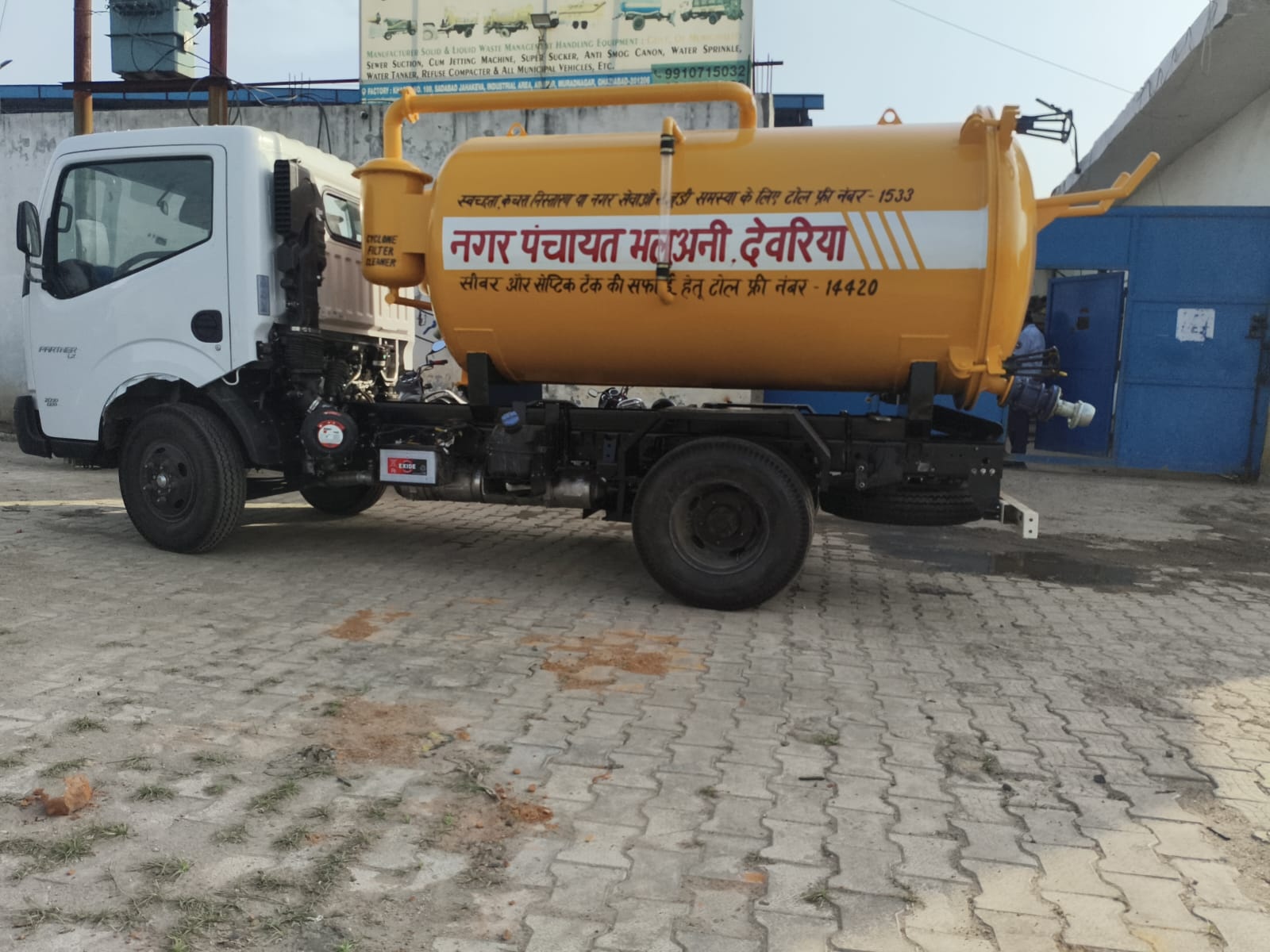
Sewer suction machines play a vital role in maintaining clean, functional drainage and sewage systems. These specialized machines are designed to remove sludge, wastewater, debris, and other materials from sewer lines, septic tanks, drains, and underground chambers. Because they often operate in demanding and unhygienic environments, regular maintenance is essential to keep them reliable and efficient.
Proper maintenance not only reduces unexpected breakdowns but also extends the machine's service life, improves operational efficiency, and helps control repair costs. Whether you operate a sewer suction machine daily or use it periodically, following a consistent maintenance routine can make a significant difference in long-term performance.
1. Inspect the Machine Before Every Use
A pre-operation inspection should be a standard part of every workday. Before starting the machine, check the vehicle, suction system, hoses, valves, tank, and other major components for visible signs of damage or wear.
Look for loose fittings, cracked hoses, oil leaks, damaged electrical connections, and unusual corrosion. Check that valves are functioning properly and that all access covers and safety mechanisms are securely closed.
A few minutes spent inspecting the machine can help identify minor problems before they develop into expensive failures.
2. Clean the Suction Hoses Regularly
Suction hoses are among the most important components of a sewer suction machine. They come into direct contact with sludge, wastewater, grease, stones, and other debris. Over time, these materials can accumulate inside the hose and restrict suction performance.
After completing a job, flush the hoses with clean water whenever the machine's operating instructions permit it. Inspect the hose for cracks, punctures, excessive flexibility, or damaged couplings. Pay particular attention to connection points, as these areas are susceptible to leaks.
Do not continue using a severely damaged hose simply because the machine is still producing suction. A compromised hose can reduce efficiency and potentially create unsafe working conditions.
3. Maintain the Vacuum Pump
The vacuum pump is the heart of a sewer suction system. Its condition directly affects suction power and overall machine performance.
Follow the manufacturer's recommended schedule for checking pump oil, lubrication, filters, seals, and other serviceable components. Use the correct lubricant and replace it at the recommended intervals.
Listen for unusual noises while the pump is operating. Excessive vibration, abnormal sounds, reduced suction, or overheating may indicate a developing problem.
Never ignore a noticeable change in pump performance. Early diagnosis can prevent a relatively simple maintenance issue from becoming a major mechanical failure.
4. Check and Clean Filters
Filters protect the vacuum pump and other components from contaminants. When filters become clogged, airflow can be restricted, forcing the pump to work harder and reducing suction efficiency.
Inspect filters according to the manufacturer's maintenance schedule and clean or replace them when necessary. If the machine operates in particularly dirty conditions, filters may require attention more frequently.
Always use replacement filters that meet the machine manufacturer's specifications. An unsuitable filter can affect airflow and may reduce the effectiveness of the entire suction system.
5. Inspect the Collection Tank
The collection tank is exposed to corrosive wastewater, sludge, chemicals, and other aggressive materials. Regular inspection is therefore essential.
After emptying the tank, clean it thoroughly to prevent sludge buildup. Check the tank's interior and exterior for corrosion, cracks, dents, or other structural damage. Inspect tank doors, seals, hinges, and locking mechanisms to make sure they remain secure.
A damaged tank can create leaks, unpleasant odors, environmental problems, and serious operational hazards. Any significant structural issue should be assessed and repaired by a qualified professional.
6. Lubricate Moving Components
Regular lubrication reduces friction and helps prevent premature wear in moving parts. Hinges, valves, linkages, bearings, and other components should be lubricated according to the manufacturer's recommendations.
Avoid over-lubricating components, as excess grease can attract dust and debris. Use the correct lubricant for each component and follow the equipment manufacturer's specifications.
Keeping moving parts properly lubricated can improve smooth operation and reduce the likelihood of mechanical failures.
7. Inspect Valves and Seals
Valves control the movement of air, sludge, and wastewater throughout the suction system. Worn valves or damaged seals can cause air leaks and significantly reduce suction performance.
Check valves for proper movement and inspect seals for cracks, hardening, or deformation. If you notice air escaping, unusual resistance, or difficulty operating a valve, investigate the issue promptly.
Replacing a worn seal or valve component is generally much less costly than dealing with a larger system failure caused by continued operation.
8. Maintain the Vehicle and Hydraulic System
Many sewer suction machines are mounted on commercial vehicles, meaning the vehicle itself requires regular maintenance. Engine oil, coolant, tires, brakes, battery, transmission, and other vehicle components should be inspected and serviced according to the vehicle manufacturer's recommendations.
If the machine uses hydraulic systems for tank lifting, tipping, hose handling, or other functions, check hydraulic fluid levels and inspect hoses and fittings for leaks.
Hydraulic leaks should never be ignored. Apart from reducing machine performance, hydraulic fluid can create safety and environmental hazards.
9. Prevent Corrosion
Sewer environments can accelerate corrosion because equipment is frequently exposed to moisture and corrosive substances. Keeping the machine clean and dry whenever possible is one of the simplest ways to slow corrosion.
Wash external surfaces after demanding jobs and remove accumulated sludge or chemical residue. Inspect painted and coated surfaces for scratches or areas where bare metal has become exposed.
Repair damaged protective coatings promptly. In severe operating environments, consult the manufacturer about appropriate corrosion-resistant treatments and materials.
10. Follow a Preventive Maintenance Schedule
Reactive maintenance means repairing the machine after something goes wrong. Preventive maintenance focuses on identifying and addressing potential problems before they cause downtime.
Create a maintenance schedule based on operating hours, workload, and manufacturer recommendations. Daily checks might include fluid levels, hoses, valves, and visible leaks. Weekly or monthly inspections can cover filters, lubrication points, pump components, tank condition, and hydraulic systems.
Keep a maintenance log recording inspections, repairs, replacements, and operating hours. This makes it easier to identify recurring problems and determine when major components may require servicing.
11. Train Operators Properly
Even a well-maintained machine can suffer unnecessary damage if it is operated incorrectly. Operators should understand the machine's controls, capacity, safety procedures, and limitations.
Training should include correct suction procedures, hose handling, tank-emptying procedures, emergency shutdown processes, and basic troubleshooting.
Operators should also know what warning signs to report, such as reduced suction, unusual noises, excessive vibration, overheating, leaks, or changes in pump performance.
12. Use Genuine or Approved Replacement Parts
When components eventually wear out, choose replacement parts that meet the manufacturer's specifications. Cheap or incompatible components may initially reduce costs but can cause premature failure or poor performance.
For critical components such as pumps, valves, filters, seals, hoses, and safety equipment, using approved parts is especially important.
Conclusion
Long-term sewer suction machine performance depends on consistent care rather than occasional repairs. Regular inspections, proper cleaning, vacuum pump servicing, filter maintenance, tank checks, lubrication, corrosion prevention, and operator training all contribute to dependable operation.
A well-maintained sewer suction machine delivers better suction performance, experiences less downtime, and can remain productive for many years. Most importantly, preventive maintenance allows operators to identify small problems before they become major failures.
By following the manufacturer's maintenance recommendations and establishing a disciplined inspection and servicing routine, businesses can protect their investment, improve workplace safety, reduce operating costs, and ensure that their sewer suction equipment is ready whenever it is needed.
- Digital Agency
- Literie
- Location de voitures
- Restaurant
- Restaurant
- Mode
- Mode
- Information
- Marketing
- Tourisme
- Développement
- Découverte
- Législation
- Gastronomie
- Pâtisserie
- Evento
- Art
- Causes
- Crafts
- Dance
- Drinks
- Film
- Fitness
- Food
- Jogos
- Gardening
- Health
- Início
- Literature
- Music
- Networking
- Outro
- Party
- Religion
- Shopping
- Sports
- Theater
- Wellness
 Portuguese (Brazil)
 Indian
 English
 French
 Arabic
 Spanish
 Portuguese
 Deutsch
 Turkish
 Dutch
Dutch
 Italiano
 Russian
 Romaian
 Greek
Greek
