


Stainless Steel Surgical Instruments: Benefits, Properties, and Maintenance
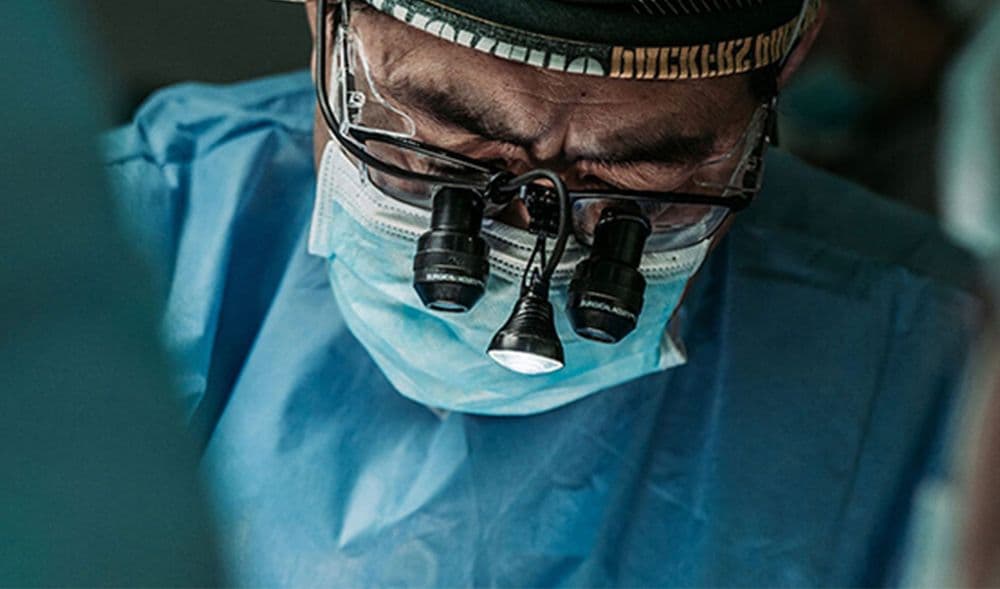
Stainless steel has become one of the most widely used materials in the manufacturing of reusable surgical instruments. From surgical scissors and forceps to retractors, needle holders, clamps, probes, orthopedic instruments, and specialty devices, stainless steel provides a combination of properties that makes it suitable for many professional healthcare applications.
Its popularity is not based on one characteristic alone. The performance of a stainless steel surgical instrument depends on a combination of material composition, manufacturing processes, instrument design, surface finish, heat treatment, intended application, and appropriate maintenance.
For hospitals, clinics, surgical centers, medical distributors, wholesalers, and healthcare procurement teams, understanding these factors can make it easier to evaluate surgical instruments and compare products from different manufacturers.
A quality stainless steel instrument should be designed for its intended application and manufactured to appropriate specifications. At the same time, even a well-manufactured instrument requires proper handling, cleaning, processing, inspection, storage, and maintenance.
This comprehensive guide explores stainless steel surgical instruments, including their properties, major benefits, common material considerations, manufacturing processes, surface finishes, corrosion resistance, instrument selection, cleaning, sterilization, maintenance, inspection, storage, common problems, and purchasing considerations.
For buyers looking for a broad range of professional products, Mizon International offers a dedicated surgical instruments collection covering categories such as surgical scissors, forceps, retractors, needle holders, orthopedic instruments, and other surgical products.
Important: This article is intended for general educational and purchasing information. The actual selection, clinical use, cleaning, disinfection, sterilization, inspection, repair, and maintenance of surgical instruments should always follow the manufacturer's instructions, applicable regulations, and the healthcare facility's validated procedures.
What Are Stainless Steel Surgical Instruments?
Stainless steel surgical instruments are medical instruments manufactured using stainless steel as the primary material for some or all of their structural components.
They include a wide range of instrument types, such as:
-
Surgical scissors
-
Tissue forceps
-
Dressing forceps
-
Hemostatic forceps
-
Needle holders
-
Retractors
-
Scalpel handles
-
Probes
-
Bone forceps
-
Bone rongeurs
-
Orthopedic instruments
-
Specialty surgical instruments
The term "stainless steel" refers to a family of corrosion-resistant steels rather than one single material.
Different stainless steel compositions can have different characteristics. Manufacturers select materials based on the requirements of the instrument and its intended application.
For this reason, simply seeing "stainless steel" in a product description does not provide all the information needed to evaluate an instrument.
Material selection is only one part of overall instrument quality.
Why Is Stainless Steel Used for Surgical Instruments?
Surgical instruments need to perform reliably in demanding professional environments.
Depending on the instrument, they may need to withstand:
-
Repeated handling
-
Moisture
-
Cleaning processes
-
Disinfection
-
Sterilization
-
Mechanical stress
-
Contact with different materials
-
Repeated opening and closing
-
Storage and transportation
Stainless steel can provide a useful combination of properties for many of these requirements.
Important characteristics can include:
-
Corrosion resistance
-
Strength
-
Hardness
-
Durability
-
Manufacturability
-
Surface finishability
-
Resistance to wear in appropriate applications
However, these characteristics depend on the specific stainless steel grade, manufacturing process, instrument design, and maintenance practices.
The Basic Properties of Stainless Steel
To understand why stainless steel is widely used in surgical instruments, it helps to understand some of its fundamental properties.
1. Corrosion Resistance
Corrosion resistance is one of the most important reasons stainless steel is used for medical instruments.
Stainless steels contain sufficient chromium to form a passive surface layer that helps protect the underlying metal from corrosion under appropriate conditions.
However, "stainless" does not mean "immune to corrosion."
Stainless steel can still develop staining, pitting, corrosion, or other surface problems if it is exposed to unsuitable chemicals, contaminants, moisture, improper processing conditions, or mechanical damage.
This is why appropriate care remains essential.
2. Strength
Surgical instruments often need to maintain their shape and mechanical integrity during normal professional use.
Appropriately selected stainless steel can provide useful strength characteristics.
The required strength depends on the instrument.
A fine microsurgical forceps has different mechanical requirements from a large orthopedic instrument.
Therefore, manufacturers must select materials and construction methods according to the intended application.
3. Hardness
Hardness can be particularly relevant to instruments with cutting or gripping functions.
For example, surgical scissors require appropriate blade characteristics, while some forceps require working ends that maintain their intended geometry.
Hardness can be influenced by:
-
Material composition
-
Heat treatment
-
Manufacturing processes
-
Instrument design
The appropriate hardness depends on the particular instrument.
4. Durability
Durability is another reason stainless steel is commonly selected for reusable surgical instruments.
A properly designed and manufactured instrument can provide long service when it is used, processed, and maintained according to the manufacturer's instructions.
However, durability should not be understood as unlimited service life.
All instruments eventually require inspection, maintenance, repair, or replacement when they no longer meet the applicable requirements.
5. Surface Finish
The surface of a surgical instrument is an important part of its overall construction.
A suitable surface finish can contribute to:
-
Corrosion resistance
-
Cleanability
-
Appearance
-
Surface consistency
-
Appropriate instrument performance
Different instruments may use different finishes according to their design.
Common finishes can include polished, satin, or matte surfaces.
The appropriate finish depends on the product and manufacturer's specifications.
What Makes Stainless Steel "Stainless"?
The corrosion resistance of stainless steel is primarily associated with its chromium content.
When exposed to oxygen, chromium can contribute to the formation of a thin passive oxide layer on the surface.
This layer helps protect the underlying metal from corrosion.
If the surface is damaged or exposed to unfavorable conditions, the passive layer can sometimes reform, but the process depends on the environment and material.
This is why stainless steel instruments still require appropriate care.
Stainless Steel Does Not Mean Corrosion-Proof
One of the most important misconceptions about stainless steel is that it cannot corrode.
That is not correct.
Stainless steel is corrosion-resistant, not absolutely corrosion-proof.
Corrosion can occur under unfavorable conditions, including exposure to:
-
Chlorides
-
Certain chemicals
-
Residual cleaning agents
-
Contaminated water
-
Prolonged moisture
-
Improper processing
-
Damaged surfaces
-
Incompatible storage conditions
Therefore, maintenance and processing are essential to protecting stainless steel surgical instruments.
Different Stainless Steel Grades
There is no single universal "surgical stainless steel."
Different stainless steel families and grades have different properties.
Some stainless steel categories commonly encountered in instrument manufacturing include:
-
Austenitic stainless steels
-
Martensitic stainless steels
-
Other specialty stainless steel grades
The specific choice depends on the instrument's requirements.
For example, an instrument requiring particular hardness or edge retention may require a different material approach from an instrument designed primarily for corrosion resistance and flexibility.
Professional buyers should therefore request the manufacturer's material specification when the exact grade is important to their purchasing requirements.
Austenitic Stainless Steel
Austenitic stainless steels are known for their corrosion resistance and are used in many applications where corrosion resistance is important.
Their characteristics can make some grades suitable for components and applications where corrosion resistance is prioritized.
However, suitability for surgical instrumentation depends on the exact grade and instrument design.
Martensitic Stainless Steel
Martensitic stainless steels can be heat-treated to achieve higher hardness.
This characteristic can be useful for certain instruments where edge retention, strength, or hardness is important.
Some cutting instruments may require material characteristics that differ from those of general-purpose instrument components.
Again, the correct material depends on the instrument.
Why Material Grade Matters
Two instruments can both be described as stainless steel while having different:
-
Chemical compositions
-
Hardness
-
Corrosion resistance
-
Heat-treatment characteristics
-
Mechanical properties
-
Manufacturing requirements
This is why professional buyers should not evaluate surgical instruments based solely on the phrase "stainless steel."
A more complete evaluation considers:
Material + Manufacturing + Design + Finish + Quality Control + Maintenance
Major Types of Stainless Steel Surgical Instruments
Stainless steel can be used across many different instrument categories.
Stainless Steel Surgical Scissors
Surgical scissors are precision cutting instruments available in many designs.
They can include:
-
Straight scissors
-
Curved scissors
-
Operating scissors
-
Dissecting scissors
-
Suture scissors
-
Fine scissors
-
Specialty scissors
For cutting instruments, material properties such as hardness and edge retention can be particularly important.
The instrument's blade geometry and manufacturing precision are equally important.
Stainless Steel Surgical Forceps
Forceps are commonly manufactured from stainless steel.
They can include:
-
Tissue forceps
-
Dressing forceps
-
Toothed forceps
-
Smooth forceps
-
Bayonet forceps
-
Fine forceps
-
Specialty forceps
Their performance depends on the working-end design, alignment, material, surface finish, and manufacturing quality.
Stainless Steel Needle Holders
Needle holders are designed to hold surgical needles during suturing.
They may have:
-
Standard jaws
-
Fine jaws
-
Serrated jaws
-
Specialty configurations
-
Tungsten-carbide components in some models
Material and jaw construction are important because the working end needs to maintain appropriate characteristics throughout its service life.
Stainless Steel Retractors
Retractors are designed to assist with exposure.
They can be:
-
Handheld
-
Self-retaining
-
Small
-
Large
-
Deep
-
Specialty-specific
The material needs to provide appropriate strength for the intended design.
Stainless Steel Orthopedic Instruments
Orthopedic instrumentation can require specialized stainless steel components.
Examples include:
-
Bone forceps
-
Bone rongeurs
-
Bone-holding instruments
-
Osteotomes
-
Orthopedic retractors
These instruments may experience different mechanical stresses from fine surgical instruments, so material and construction requirements can differ.
Benefits of Stainless Steel Surgical Instruments
The widespread use of stainless steel is related to several potential advantages.
1. Corrosion Resistance
Properly selected stainless steel can resist corrosion under many appropriate operating and processing conditions.
This is particularly important because reusable instruments may encounter moisture and repeated processing.
2. Durability
Stainless steel can provide the mechanical durability required for many reusable instruments.
With appropriate care, instruments can remain useful over an extended service period.
3. Strength
Different stainless steel grades can provide the strength required for different instrument designs.
This allows manufacturers to create both delicate and robust instruments.
4. Versatility
Stainless steel can be manufactured into a wide range of shapes.
This makes it suitable for:
-
Scissors
-
Forceps
-
Retractors
-
Clamps
-
Needle holders
-
Probes
-
Orthopedic instruments
-
Specialty instruments
5. Surface Finish Options
Stainless steel can be finished in ways appropriate to different instrument designs.
Manufacturers can produce polished, satin, matte, and other finishes depending on the product.
6. Reusability
Many stainless steel surgical instruments are designed for repeated use when compatible with the manufacturer's validated processing instructions.
This can make them suitable for healthcare facilities that maintain reusable instrument inventories.
7. Long-Term Inventory Value
A properly maintained reusable instrument can provide service over an extended period.
However, this should not be interpreted as a guarantee of a particular service life.
Actual durability depends on:
-
Instrument design
-
Material
-
Frequency of use
-
Processing conditions
-
Handling
-
Maintenance
-
Storage
-
Inspection
Stainless Steel vs. Other Instrument Materials
Although stainless steel is widely used, it is not the only material found in surgical instrumentation.
Other materials can include:
-
Titanium
-
Tungsten carbide
-
Specialty alloys
-
Polymer components
-
Ceramic components in certain applications
The appropriate material depends on the instrument.
Stainless Steel vs. Titanium
Titanium is valued for properties such as low density and corrosion resistance and can be used in specialized instruments.
It can be particularly relevant where lightweight construction or specific material properties are desired.
Stainless steel, however, remains widely used across general surgical instrumentation.
Mizon International's ophthalmic collection includes specialized products such as a titanium Bishop-Harmon forceps, illustrating how material selection can vary between instrument designs.
Stainless Steel and Tungsten Carbide
Tungsten carbide is commonly incorporated into certain specialized instrument components.
For example, some scissors and needle holders use tungsten-carbide inserts.
These inserts can provide specific characteristics related to cutting or gripping.
However, tungsten carbide does not replace the need for appropriate stainless steel construction throughout the rest of the instrument.
The Role of Manufacturing in Stainless Steel Instruments
Material selection is only the beginning.
The manufacturing process can significantly influence the final instrument.
A surgical instrument may go through stages such as:
-
Material selection
-
Cutting or forming
-
Forging or machining
-
Heat treatment where appropriate
-
Grinding
-
Assembly
-
Surface finishing
-
Sharpening or working-end preparation
-
Inspection
-
Packaging
Different instruments require different processes.
Forging and Machining
Some surgical instruments are manufactured through forging processes, while others may involve machining, stamping, forming, or combinations of methods.
The selected process depends on:
-
Instrument design
-
Material
-
Required strength
-
Geometry
-
Production requirements
A quality manufacturing process should produce an instrument that meets its intended design specifications.
Heat Treatment
Heat treatment can be important for some stainless steel instruments.
It can influence properties such as:
-
Hardness
-
Strength
-
Wear resistance
The appropriate heat-treatment process depends on the material and instrument.
Incorrect processing can negatively affect material performance, which is why manufacturing control matters.
Grinding and Sharpening
Cutting instruments such as scissors require carefully prepared cutting edges.
The blades must be manufactured and finished according to their intended design.
Grinding and sharpening processes can influence:
-
Edge geometry
-
Cutting characteristics
-
Blade alignment
-
Surface quality
Professional inspection is important to ensure the finished instrument meets its specifications.
Surface Finishing of Stainless Steel Instruments
Surface finishing can be performed for functional and aesthetic reasons.
Common finishes include:
Bright Polish
A highly reflective surface finish.
Satin Finish
A less reflective surface with a smooth appearance.
Matte Finish
A low-reflectivity surface that can provide a distinct visual appearance.
The finish should be appropriate for the instrument and manufacturer specifications.
Why Surface Finish Matters
A properly finished surface can support:
-
Cleanability
-
Corrosion resistance
-
Appearance
-
Surface consistency
Poor surface finishing can leave irregularities that may affect the instrument's performance or long-term condition.
Corrosion in Stainless Steel Surgical Instruments
Corrosion is one of the most common concerns associated with reusable metal instruments.
Several forms can occur.
Surface Discoloration
Discoloration may appear as stains or changes in the surface appearance.
It does not always mean that the instrument has severe structural corrosion, but it should be evaluated.
Pitting Corrosion
Pitting involves localized corrosion that creates small cavities or pits in the metal.
Chloride exposure is one factor that can contribute to pitting in susceptible stainless steels.
Damaged or contaminated surfaces may be more vulnerable.
Crevice Corrosion
Crevice corrosion can occur in confined areas where moisture or contaminants remain trapped.
Potential areas include:
-
Instrument joints
-
Hinges
-
Interfaces
-
Narrow gaps
Appropriate cleaning and drying are therefore important.
Galvanic Corrosion
Galvanic corrosion can occur when dissimilar metals are electrically connected in the presence of an electrolyte.
This is one reason instrument composition and processing conditions matter.
Causes of Corrosion
Potential contributors include:
-
Chloride exposure
-
Poor-quality water
-
Residual chemicals
-
Inadequate cleaning
-
Incomplete drying
-
Improper sterilization conditions
-
Damaged surfaces
-
Contact with incompatible materials
-
Long periods of moisture exposure
The exact cause should be investigated rather than assuming that the material itself is defective.
How to Prevent Corrosion
Good maintenance practices can help reduce corrosion risk.
Use Appropriate Processing Chemistry
Cleaning agents should be compatible with the instrument and used according to the manufacturer's instructions.
Rinse Appropriately
Residual chemicals should not be allowed to remain on instruments.
Dry Thoroughly
Moisture should be removed according to the validated processing procedure.
Avoid Chloride Contamination
Chloride-containing substances can be harmful to susceptible stainless steels under certain conditions.
Inspect Regularly
Early detection of staining or surface damage allows facilities to investigate problems sooner.
Cleaning Stainless Steel Surgical Instruments
Cleaning is one of the most important parts of reusable instrument care.
The exact procedure should always follow the manufacturer's instructions and the healthcare facility's validated processing procedures.
A general process may involve:
-
Appropriate initial handling
-
Cleaning
-
Rinsing
-
Inspection
-
Drying
-
Preparation for sterilization
-
Sterilization where applicable
-
Storage
The exact sequence and equipment depend on the facility and instrument.
Why Cleaning Comes Before Sterilization
Sterilization is not a substitute for cleaning.
Residual material can interfere with the effectiveness of subsequent processing and can contribute to instrument deterioration.
Therefore, reusable instruments need appropriate cleaning before sterilization according to validated procedures.
Manual Cleaning
Some instruments may be manually cleaned using appropriate methods.
Manual cleaning can require particular attention to:
-
Joints
-
Serrations
-
Hinges
-
Narrow spaces
-
Working ends
The manufacturer should specify appropriate cleaning methods and any restrictions.
Automated Cleaning
Some healthcare facilities use automated cleaning equipment.
The suitability of an automated process depends on:
-
Instrument design
-
Equipment
-
Detergent
-
Water quality
-
Cycle parameters
-
Manufacturer instructions
Facilities should use validated processes rather than assuming that every instrument can be processed identically.
Why Water Quality Matters
Water quality can affect stainless steel instruments.
Minerals and contaminants in water may contribute to:
-
Staining
-
Deposits
-
Surface discoloration
-
Corrosion
Healthcare facilities should follow their established water-quality and instrument-processing requirements.
Drying Stainless Steel Instruments
Moisture left on instruments can contribute to corrosion and spotting.
Appropriate drying should therefore be part of the validated processing workflow.
Particular attention may be required for:
-
Hinges
-
Joints
-
Serrations
-
Internal areas
-
Instrument interfaces
Sterilization of Stainless Steel Instruments
Many reusable stainless steel surgical instruments are designed to tolerate applicable sterilization processes.
However, not every stainless steel instrument is automatically compatible with every sterilization method.
Always follow:
-
Manufacturer instructions
-
Facility protocols
-
Applicable standards
-
Validated processing parameters
Instrument design can also influence processing requirements.
Steam Sterilization
Steam sterilization is widely used for many reusable medical instruments.
Whether a particular stainless steel instrument is suitable for a specific steam cycle should be confirmed through the manufacturer's instructions and facility validation.
Factors can include:
-
Temperature
-
Pressure
-
Exposure time
-
Instrument arrangement
-
Packaging
-
Drying
Other Sterilization Methods
Other sterilization technologies may be used in healthcare environments.
Compatibility depends on the instrument, materials, packaging, and processing system.
Never assume compatibility solely because an instrument is stainless steel.
Lubrication of Surgical Instruments
Some reusable instruments have moving components.
Depending on the manufacturer's instructions, appropriate instrument lubricant may be used for joints or moving areas.
Lubrication can help support smooth movement and reduce friction.
However, the lubricant must be appropriate for the processing environment.
Do not use household oils or unapproved substances on surgical instruments.
Inspection of Stainless Steel Surgical Instruments
Inspection should be part of routine instrument processing.
Inspect for:
-
Corrosion
-
Pitting
-
Discoloration
-
Cracks
-
Bent components
-
Loose joints
-
Misalignment
-
Damaged tips
-
Dull cutting edges
-
Surface damage
Instruments that do not meet applicable requirements should be evaluated according to facility procedures.
Inspecting Surgical Scissors
For scissors, inspection may include checking:
-
Blade alignment
-
Cutting edges
-
Tips
-
Joint movement
-
Handles
-
Surface condition
A scissor that does not function according to its intended design should be evaluated before further use.
Inspecting Surgical Forceps
For forceps, inspect:
-
Tip alignment
-
Teeth or serrations
-
Jaw condition
-
Handle
-
Surface
-
Overall symmetry
Fine forceps may require particularly careful handling and inspection.
Inspecting Needle Holders
For needle holders, check:
-
Jaw condition
-
Alignment
-
Locking mechanism
-
Handle
-
Surface
-
Wear
Specialized needle holders may have additional inspection requirements.
Inspecting Retractors
Retractors should be checked for:
-
Bent working ends
-
Cracks
-
Surface damage
-
Deformation
-
Sharp unwanted edges
-
Structural integrity
The inspection criteria should be appropriate to the particular retractor.
When Should Stainless Steel Instruments Be Replaced?
There is no universal replacement schedule for every surgical instrument.
Replacement decisions should consider the instrument's:
-
Condition
-
Function
-
Wear
-
Corrosion
-
Damage
-
Alignment
-
Working-end performance
-
Manufacturer requirements
-
Facility standards
An instrument should be removed from service when it no longer meets applicable requirements.
Storage of Stainless Steel Surgical Instruments
Proper storage can help protect instruments after processing.
Consider:
-
Dry conditions
-
Appropriate organization
-
Protection of delicate working ends
-
Prevention of excessive metal-to-metal contact
-
Easy identification
-
Appropriate packaging or containers
Fine instruments should be stored in ways that reduce the risk of bending or damaging their working ends.
Why Instrument Organization Matters
Good organization makes it easier to:
-
Locate instruments
-
Identify missing items
-
Inspect products
-
Track inventory
-
Protect delicate instruments
-
Prepare instrument sets
For larger healthcare facilities, standardized storage systems can simplify inventory management.
Stainless Steel Surgical Instrument Sets
Many healthcare organizations use instrument sets containing multiple stainless steel instruments.
A set may include:
-
Scissors
-
Forceps
-
Clamps
-
Needle holders
-
Retractors
-
Scalpel handles
-
Specialty instruments
The appropriate contents depend on the procedure.
For a broader selection of instrument categories, buyers can explore Mizon International's surgical instrument collection.
Advantages of Stainless Steel in Surgical Instrument Sets
Using compatible stainless steel instruments within a standardized set can provide several practical benefits.
These can include:
-
Consistent material characteristics
-
Standardized appearance
-
Easier inventory classification
-
Broad product availability
-
Compatibility with appropriate reusable-instrument workflows
However, each individual instrument still needs to be evaluated according to its specific requirements.
Stainless Steel Surgical Instruments for Different Specialties
Stainless steel instruments can be found across many medical specialties.
General Surgery
General surgical inventories can include:
-
Scissors
-
Forceps
-
Clamps
-
Needle holders
-
Retractors
Orthopedics
Orthopedic instruments may include:
-
Bone forceps
-
Bone rongeurs
-
Elevators
-
Osteotomes
-
Specialty retractors
ENT
ENT instruments may include:
-
Specialty forceps
-
Retractors
-
Scissors
-
Specula
-
Nasal instruments
Ophthalmology
Ophthalmic instruments can include:
-
Iris scissors
-
Fine forceps
-
Microsurgical needle holders
-
Eye retractors
-
Specialty microsurgical instruments
Mizon International offers a separate ophthalmic instruments collection for specialty products in this category.
Stainless Steel Dental Instruments
Stainless steel is also widely used in dental instrumentation.
Dental products can include:
-
Extraction forceps
-
Elevators
-
Mirrors
-
Probes
-
Scalers
-
Curettes
-
Periodontal instruments
-
Implant instruments
Mizon International maintains a dedicated dental instruments collection.
The same basic material principles apply: the exact stainless steel grade, manufacturing process, surface finish, and maintenance requirements matter.
Stainless Steel vs. Beauty Instruments
Stainless steel is also used for professional beauty instruments.
These may include:
-
Cuticle nippers
-
Nail nippers
-
Cuticle scissors
-
Tweezers
-
Beauty tools
However, these instruments have different intended applications from medical surgical instruments.
Mizon International provides a separate beauty instruments collection, helping buyers distinguish these products from medical and dental categories.
How to Choose Quality Stainless Steel Surgical Instruments
Professional buyers should consider several factors.
1. Material Specification
Ask the manufacturer what stainless steel specification is used.
If the exact grade matters to your purchasing requirements, request the appropriate documentation.
2. Intended Application
Ensure the instrument is designed for the intended professional use.
3. Manufacturing Quality
Look for consistent:
-
Alignment
-
Surface finish
-
Working-end geometry
-
Joint movement
-
Dimensions
4. Corrosion Resistance
Consider the material and surface finish alongside the facility's processing environment.
5. Ergonomics
Check:
-
Weight
-
Balance
-
Handle design
-
Grip
-
Instrument dimensions
6. Processing Compatibility
Verify cleaning, disinfection, sterilization, and maintenance requirements before purchasing reusable instruments.
7. Supplier Reliability
Consider:
-
Manufacturing capability
-
Product range
-
Quality control
-
Documentation
-
Repeat-order consistency
-
OEM capability
-
Customer support
-
Shipping
Questions to Ask a Stainless Steel Surgical Instrument Manufacturer
Before purchasing, professional buyers can ask:
-
What stainless steel grade or specification is used?
-
What is the intended application of the instrument?
-
What are the instrument dimensions?
-
What surface finish is used?
-
Is the instrument reusable?
-
What cleaning instructions apply?
-
What sterilization methods are compatible?
-
Are replacement instruments available?
-
Can repeat orders maintain consistent specifications?
-
Are OEM services available?
-
Is private labeling available?
-
What bulk quantities can be supplied?
-
What quality-control procedures are used?
-
What product documentation is available?
-
What packaging options are available?
These questions can help distinguish a professional manufacturer from a supplier that provides limited product information.
Stainless Steel Surgical Instruments for Wholesale Buyers
Wholesale buyers often require more than individual product quality.
They may need:
-
Consistent specifications
-
Large quantities
-
Multiple instrument types
-
Repeat availability
-
OEM manufacturing
-
Private labeling
-
Customized packaging
-
Export capabilities
A manufacturer with a broad product portfolio can simplify procurement.
For example, a distributor may need surgical scissors, forceps, retractors, needle holders, dental instruments, and ophthalmic instruments from the same supplier.
OEM and Private-Label Stainless Steel Instruments
OEM manufacturing allows businesses to source instruments according to agreed specifications.
Potential customization can include:
-
Instrument dimensions
-
Material specification
-
Surface finish
-
Product configuration
-
Branding
-
Packaging
-
Product references
-
Instrument sets
Private labeling can be particularly useful for distributors and established healthcare brands.
However, product specifications, quality requirements, regulatory responsibilities, and documentation should be agreed upon before production.
Common Problems With Stainless Steel Instruments
Even quality instruments can develop problems when exposed to inappropriate conditions.
Common issues include:
Discoloration
May be associated with processing residues, water quality, heat, or surface contamination.
Corrosion
Can occur under unfavorable conditions.
Pitting
Localized corrosion may develop in susceptible materials.
Stiff Joints
Can result from contamination, inadequate lubrication where appropriate, corrosion, or mechanical problems.
Dull Cutting Edges
May result from wear or improper handling.
Damaged Tips
Can occur through impact, improper storage, or excessive force.
How to Avoid Common Maintenance Problems
A structured processing program can reduce many preventable issues.
Follow Manufacturer Instructions
Do not create processing procedures based solely on general assumptions.
Use Appropriate Cleaning Products
Cleaning chemistry should be compatible with the instruments.
Avoid Excessive Chemical Exposure
More concentrated chemicals are not necessarily better.
Rinse Appropriately
Residual chemicals can contribute to surface problems.
Dry Instruments
Avoid prolonged moisture exposure.
Inspect Regularly
Identify problems before they become more serious.
Store Correctly
Protect working ends and avoid unnecessary instrument-to-instrument damage.
Why Professional Manufacturing Matters
A surgical instrument's quality begins before it reaches the healthcare facility.
Manufacturing quality can influence:
-
Material consistency
-
Dimensions
-
Alignment
-
Surface finish
-
Cutting characteristics
-
Mechanical performance
-
Durability
This makes the manufacturer's capabilities an important consideration when purchasing stainless steel surgical instruments.
Mizon International and Stainless Steel Surgical Instruments
Mizon International provides a broad range of surgical products and identifies its surgical instruments as being manufactured using surgical-grade stainless steel.
Its surgical catalog includes categories such as:
-
Surgical scissors
-
Tissue forceps
-
Dressing forceps
-
Bayonet forceps
-
Needle holders
-
Retractors
-
Bone rongeurs
-
Scalpel handles
-
Orthopedic instruments
-
Veterinary instruments
Professional buyers can explore the full surgical instruments collection when researching available product categories.
For organizations that purchase across multiple specialties, Mizon International also offers separate collections for dental instruments and ophthalmic instruments.
Stainless Steel Surgical Instrument Selection Checklist
Before purchasing, buyers can use the following checklist.
Material
-
Stainless steel specification reviewed
-
Material appropriate for intended application
-
Specialized material components identified where relevant
Design
-
Instrument type confirmed
-
Dimensions checked
-
Working end reviewed
-
Handle configuration checked
-
Surface finish evaluated
Quality
-
Manufacturing consistency considered
-
Alignment reviewed
-
Joint movement checked
-
Working-end quality reviewed
Processing
-
Cleaning instructions available
-
Sterilization compatibility confirmed
-
Lubrication requirements reviewed
-
Storage requirements understood
Supplier
-
Manufacturer evaluated
-
Quality information reviewed
-
Product documentation available
-
Replacement availability confirmed
-
OEM/private-label requirements discussed if applicable
-
Bulk purchasing requirements discussed
Frequently Asked Questions
What are stainless steel surgical instruments?
Stainless steel surgical instruments are medical instruments manufactured using stainless steel for their primary structure or components. They include scissors, forceps, retractors, needle holders, clamps, orthopedic instruments, and many specialty products.
Why is stainless steel used for surgical instruments?
Stainless steel can provide a useful combination of corrosion resistance, strength, durability, and manufacturability, making appropriate grades suitable for many reusable surgical instruments.
Are stainless steel surgical instruments corrosion-proof?
No. Stainless steel is corrosion-resistant, but it can still corrode or develop surface damage under unfavorable conditions.
What causes stainless steel surgical instruments to rust?
Potential causes include exposure to chlorides, inappropriate chemicals, poor-quality water, residual contaminants, prolonged moisture, improper processing, and surface damage.
How do you prevent corrosion on stainless steel surgical instruments?
Follow the manufacturer's cleaning and processing instructions, use compatible chemicals, rinse appropriately, dry instruments, avoid unsuitable chloride exposure, inspect regularly, and store instruments properly.
Are all stainless steel surgical instruments made from the same grade?
No. Stainless steel includes many different grades with different properties. The appropriate material depends on the instrument and intended application.
What is the best stainless steel for surgical instruments?
There is no single material that is universally "best" for every surgical instrument. The appropriate stainless steel specification depends on the instrument's required hardness, corrosion resistance, strength, edge characteristics, and other properties.
Can stainless steel surgical instruments be sterilized?
Many reusable stainless steel instruments are compatible with applicable sterilization processes, but compatibility must be confirmed through the manufacturer's instructions and facility protocols.
How long do stainless steel surgical instruments last?
There is no universal service life. Longevity depends on the instrument, material, frequency of use, processing conditions, handling, maintenance, storage, and inspection.
Can stainless steel surgical instruments be repaired?
Some instruments may be repairable depending on their design and condition. Repair decisions should follow manufacturer or qualified service-provider recommendations and facility procedures.
Are stainless steel surgical instruments reusable?
Many are designed for reuse, but this depends on the specific product. Always follow the manufacturer's labeling and processing instructions.
Are stainless steel dental instruments different from surgical instruments?
The material can be similar, but the instruments are designed for different applications. Dental instruments are developed around dentistry, while surgical instruments cover a much broader range of medical procedures.
What should I look for when buying stainless steel surgical instruments?
Consider the material specification, intended application, dimensions, working-end design, surface finish, manufacturing quality, ergonomics, processing requirements, supplier capabilities, and documentation.
Final Thoughts
Stainless steel has earned an important place in surgical instrument manufacturing because it can combine corrosion resistance, strength, durability, versatility, and suitable surface-finishing characteristics
- Digital Agency
- Literie
- Location de voitures
- Restaurant
- Restaurant
- Mode
- Mode
- Information
- Marketing
- Tourisme
- Développement
- Découverte
- Législation
- Gastronomie
- Pâtisserie
- Etkinlik
- Art
- Causes
- Crafts
- Dance
- Drinks
- Film
- Fitness
- Food
- Oyunlar
- Gardening
- Health
- Ana sayfa
- Literature
- Music
- Networking
- diğer
- Party
- Religion
- Shopping
- Sports
- Theater
- Wellness
 Turkish
 Indian
 English
 French
 Arabic
 Spanish
 Portuguese
 Deutsch
 Dutch
Dutch
 Italiano
 Russian
 Romaian
 Portuguese (Brazil)
 Greek
Greek
