


Dental vs. Surgical Instruments: Understanding the Key Differences
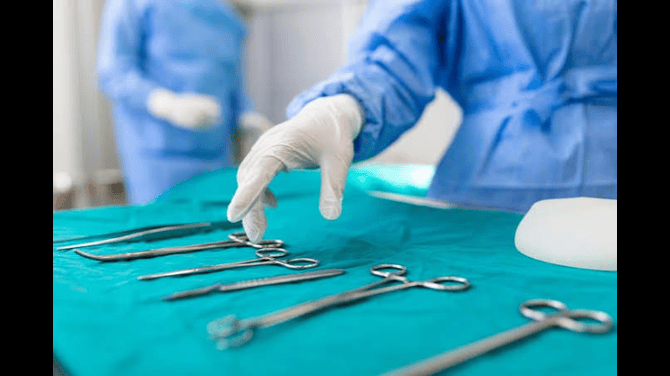
Dental and surgical instruments are both essential tools in professional healthcare, but they are not interchangeable.
At first glance, some instruments may appear remarkably similar. Both categories can include scissors, forceps, retractors, probes, elevators, needle holders, and other precision instruments. They may also be manufactured from similar materials, particularly stainless steel, and both require appropriate manufacturing quality, handling, cleaning, sterilization, inspection, and storage.
The important difference is purpose.
Dental instruments are designed primarily around the anatomy, procedures, and working environment of dentistry. Surgical instruments are designed for a much broader range of medical and surgical applications, including general surgery and highly specialized fields such as orthopedics, ophthalmology, ENT, gynecology, and other specialties.
Understanding this distinction is important for hospitals, dental practices, clinics, medical distributors, wholesalers, procurement teams, and professional buyers.
Selecting an instrument based only on its appearance can result in the wrong product being purchased. Instead, buyers should consider the intended application, working end, dimensions, material, ergonomics, processing requirements, and manufacturer specifications.
In this comprehensive guide, we will examine dental vs. surgical instruments, explain how they differ, compare their major categories, discuss materials and manufacturing, explore instrument selection and maintenance, and provide practical guidance for buyers.
For professionals looking for a broad range of surgical products, Mizon International's surgical instruments collection includes multiple categories of surgical instruments. Its separate dental instruments collection provides products specifically categorized for dental applications.
Important: This article is for general educational and purchasing information. Instrument selection, clinical use, cleaning, sterilization, inspection, and maintenance should always follow qualified professional guidance, applicable regulations, facility protocols, and the manufacturer's instructions.
What Are Dental Instruments?
Dental instruments are specialized tools designed for procedures and tasks performed within dentistry.
They are developed around the anatomy of the teeth, gums, oral cavity, and surrounding structures, as well as the requirements of dental examination, prevention, treatment, restoration, extraction, periodontal care, implant procedures, and other dental applications.
Common dental instruments include:
-
Dental mirrors
-
Dental probes
-
Scalers
-
Curettes
-
Extraction forceps
-
Dental elevators
-
Periodontal instruments
-
Dental excavators
-
Implant instruments
-
Cheek retractors
-
Dental scissors
-
Dental syringes and accessories
-
Specialized dental hand instruments
The design of each instrument reflects its intended dental application.
For example, an extraction forceps is designed around the shape and access requirements associated with dental extraction, while a periodontal instrument is designed for work around the gingival and periodontal areas.
Mizon International's dental catalog includes extraction forceps, elevators, periodontal instruments, implant instruments, mirrors, probes, scalers, cheek retractors, and other dental products.
What Are Surgical Instruments?
Surgical instruments are specialized medical tools used to assist healthcare professionals during surgical and related procedures.
The term encompasses a much broader range of instruments because surgery covers many medical specialties.
Surgical instruments can include:
-
Surgical scissors
-
Tissue forceps
-
Dressing forceps
-
Hemostatic forceps
-
Needle holders
-
Retractors
-
Scalpel handles
-
Probes
-
Bone instruments
-
Orthopedic instruments
-
Microsurgical instruments
-
Specialty forceps
-
ENT instruments
-
Ophthalmic instruments
A general surgical instrument may be designed for broad applications, while a specialty instrument may be created for a very specific procedure or anatomical area.
This is one of the biggest differences between the two categories.
Dental vs. Surgical Instruments: The Basic Difference
The simplest way to understand the distinction is:
Dental instruments are designed specifically for dentistry, while surgical instruments cover a much broader range of medical and surgical applications.
However, there is some overlap.
For example:
-
Both categories may include forceps.
-
Both can include scissors.
-
Both can use stainless steel.
-
Both can include retractors.
-
Both may be reusable.
-
Both require appropriate cleaning and sterilization procedures.
The difference is not necessarily the basic mechanical principle of the instrument. It is primarily the application, anatomy, dimensions, working end, and specialized design.
Dental vs. Surgical Instruments: A Quick Comparison
| Feature | Dental Instruments | Surgical Instruments |
|---|---|---|
| Primary application | Dentistry | Medical and surgical procedures |
| Main working area | Oral cavity and teeth | Multiple anatomical areas |
| Product range | Dentistry-specific | Very broad |
| Examples | Elevators, scalers, extraction forceps | Scissors, forceps, clamps, retractors |
| Specialty variations | Periodontal, restorative, implant, extraction | Orthopedic, ENT, ophthalmic, general surgery, etc. |
| Typical working ends | Often small and dental-specific | Varies widely |
| Materials | Stainless steel and specialty materials | Stainless steel and specialty materials |
| Instrument sets | Dental procedure sets | General and specialty surgical sets |
| Selection | Based on dental procedure | Based on surgical procedure and specialty |
This table provides a general comparison, but individual instruments should always be evaluated according to their specific manufacturer specifications.
Why Dental and Surgical Instruments Can Look Similar
One of the reasons people sometimes confuse these categories is that many instruments share basic designs.
For example, both dental and surgical fields may use:
-
Forceps
-
Scissors
-
Probes
-
Retractors
-
Needle holders
But the working ends can be dramatically different.
Consider forceps.
A dental extraction forceps may have a jaw design specifically shaped around particular teeth and extraction requirements.
A surgical tissue forceps may have fine, smooth, or toothed jaws designed for tissue handling.
Both are "forceps," but their intended applications are completely different.
This is why simply searching for "forceps" is not enough when purchasing professional instruments.
Key Difference 1: Intended Application
The intended application is the most important distinction.
Dental Instruments
Dental instruments are designed around procedures such as:
-
Dental examination
-
Dental hygiene
-
Periodontal care
-
Tooth extraction
-
Restorative dentistry
-
Endodontic procedures
-
Implant dentistry
-
Oral surgery
Surgical Instruments
Surgical instruments can support procedures associated with:
-
General surgery
-
Orthopedics
-
ENT
-
Ophthalmology
-
Gynecology
-
Vascular procedures
-
Microsurgery
-
Veterinary surgery
-
Other medical specialties
The much broader scope of surgery explains why surgical instrument catalogs can contain hundreds or thousands of different configurations.
Key Difference 2: Anatomy and Working Environment
Dental instruments are designed around the oral cavity.
The mouth presents a specific working environment characterized by:
-
Teeth
-
Gingival tissue
-
Tongue
-
Oral mucosa
-
Limited working space
-
Small anatomical structures
-
Dental surfaces
Surgical instruments, in contrast, can be designed for almost any part of the body.
An orthopedic instrument may be designed around bone.
An ophthalmic instrument may be designed around delicate structures of the eye.
An ENT instrument may be designed for the ear, nose, or throat.
A general surgical instrument may have a much broader application.
Key Difference 3: Instrument Geometry
Geometry is one of the most noticeable differences between dental and surgical instruments.
Dental instruments frequently have working ends designed specifically for teeth, periodontal structures, or confined areas of the mouth.
Surgical instruments can have:
-
Straight working ends
-
Curved working ends
-
Angled working ends
-
Bayonet profiles
-
Long shafts
-
Fine microsurgical tips
-
Broad retractors
-
Heavy-duty orthopedic jaws
The geometry depends on the anatomical area and procedure.
Key Difference 4: Size and Dimensions
Dental instruments can be relatively compact because many dental procedures involve working inside the oral cavity.
However, dental instruments are available in many sizes.
Surgical instruments have an even wider range of dimensions.
For example, a surgical instrument might be:
-
Very short for a small working area
-
Medium length for general applications
-
Long for deep access
-
Extremely fine for microsurgery
-
Large and robust for orthopedic applications
Therefore, buyers should never assume that dental instruments are simply "smaller surgical instruments."
Their dimensions are determined by their intended purpose.
Key Difference 5: Working-End Design
The working end is often the most important difference between dental and surgical instruments.
For dental instruments, the working end may be designed around:
-
Tooth anatomy
-
Periodontal surfaces
-
Dental calculus
-
Extraction requirements
-
Implant procedures
-
Oral tissue
Surgical working ends can include:
-
Cutting blades
-
Tissue-grasping jaws
-
Serrated jaws
-
Fine microsurgical tips
-
Bone-gripping surfaces
-
Retractor blades
-
Specialty clamps
This means the working end should always be examined when selecting an instrument.
Dental Instruments: Major Categories
To understand the difference more clearly, it helps to examine the main dental instrument categories.
1. Dental Mirrors
Dental mirrors help professionals view areas of the oral cavity that may be difficult to see directly.
They may also support controlled tissue or cheek retraction depending on the specific design.
Their small size and specialized mirror heads distinguish them from general surgical instruments.
2. Dental Probes
Dental probes are designed for examination and assessment within the oral environment.
Different probes can have different working-end shapes and markings depending on their intended use.
They are fundamentally different from surgical probes designed for other anatomical applications.
3. Dental Scalers
Scalers are designed for professional dental cleaning and related applications.
Their working ends are shaped around dental surfaces and the removal of deposits according to their intended use.
They are a distinctly dental category.
4. Dental Curettes
Curettes are used in periodontal applications and are available in different designs.
Their working ends can be specialized for particular surfaces and professional tasks.
5. Extraction Forceps
Extraction forceps are among the most recognizable dental instruments.
They are designed specifically around tooth extraction applications.
Their jaws can vary depending on the intended tooth or procedure.
This is a strong example of why dental and surgical forceps should not be treated as interchangeable.
6. Dental Elevators
Dental elevators are designed to assist with dental extraction procedures according to their specific professional application.
They are available in different shapes, sizes, and working-end configurations.
Their design is distinctly associated with dentistry.
7. Implant Instruments
Implant dentistry can require specialized instruments designed around implant-related procedures.
These may include:
-
Implant drivers
-
Implant forceps
-
Specialty retractors
-
Implant measuring instruments
-
Specialized surgical accessories
The exact instrument configuration depends on the implant system and professional requirements.
Surgical Instruments: Major Categories
Surgical instruments cover a broader spectrum.
1. Surgical Scissors
Surgical scissors can include:
-
Operating scissors
-
Dissecting scissors
-
Fine scissors
-
Suture scissors
-
Curved scissors
-
Straight scissors
-
Specialty scissors
Each type can have different blade configurations and dimensions.
2. Surgical Forceps
Surgical forceps can include:
-
Tissue forceps
-
Dressing forceps
-
Toothed forceps
-
Smooth forceps
-
Bayonet forceps
-
Fine forceps
-
Microsurgical forceps
-
Specialty forceps
Their applications vary considerably.
3. Hemostatic Instruments
Hemostatic instruments are designed for controlled clamping applications.
Examples include various hemostatic forceps and clamps.
These are more commonly associated with surgical instrumentation than general dental instrumentation.
4. Retractors
Retractors help with exposure during procedures.
They may be:
-
Handheld
-
Self-retaining
-
Small
-
Large
-
Deep
-
Specialty-specific
Dental procedures can also use retractors, but surgical retractors encompass a much wider range of designs.
5. Needle Holders
Needle holders are used to handle surgical needles during suturing.
Dental procedures may also involve suturing, particularly oral surgery, but the broader category of surgical needle holders includes many configurations for different procedures.
6. Orthopedic Instruments
Orthopedic surgery requires specialized instruments designed for bone and musculoskeletal procedures.
Examples include:
-
Bone forceps
-
Bone rongeurs
-
Osteotomes
-
Bone-holding instruments
-
Orthopedic retractors
These instruments have little relationship to many routine dental instruments.
7. Ophthalmic Instruments
Ophthalmic surgery requires highly specialized instruments.
Examples include:
-
Iris scissors
-
Fine forceps
-
Colibri forceps
-
Capsule forceps
-
Eye retractors
-
Microsurgical needle holders
Mizon International provides a dedicated ophthalmic instruments collection for this specialty.
Are Dental Instruments Made From the Same Materials as Surgical Instruments?
There can be substantial overlap in materials.
Stainless steel is widely used in both dental and surgical instrument manufacturing.
However, material selection is only one part of the instrument's construction.
Important factors can include:
-
Steel grade
-
Hardness
-
Corrosion resistance
-
Manufacturing process
-
Surface finish
-
Heat treatment
-
Working-end design
Therefore, two instruments made from stainless steel can still have very different characteristics.
Stainless Steel Dental Instruments
Stainless steel is commonly used in dental instruments because appropriately selected grades can provide useful characteristics such as durability and corrosion resistance.
Dental instruments may be exposed to repeated cleaning and processing, making material selection important.
However, buyers should always follow the manufacturer's specifications regarding processing and maintenance.
Stainless Steel Surgical Instruments
Stainless steel is also widely used for reusable surgical instruments.
Mizon International states that its surgical instruments are manufactured using surgical-grade stainless steel and emphasizes characteristics including precision, durability, and corrosion resistance.
Its surgical category includes products such as scissors, forceps, retractors, needle holders, orthopedic instruments, and other surgical tools.
The important point is that the material should be considered alongside the instrument's specific design and intended use.
Dental vs. Surgical Forceps
Forceps provide one of the clearest examples of the difference between dental and surgical instrumentation.
Dental Forceps
Dental forceps can be designed for tooth extraction and may have jaws shaped around specific dental applications.
Different forceps may correspond to different tooth types or professional requirements.
Surgical Forceps
Surgical forceps may be designed for:
-
Tissue handling
-
Dressing
-
Grasping
-
Manipulation
-
Microsurgery
-
Specialty procedures
Their jaws can be smooth, toothed, serrated, fine, broad, straight, curved, or otherwise specialized.
Therefore, a dental extraction forceps should not simply be substituted for a surgical tissue forceps.
Dental vs. Surgical Scissors
Both categories may include scissors, but their intended applications can differ.
Dental Scissors
Dental scissors may be designed for:
-
Suture-related tasks
-
Dental materials
-
Tissue-related applications
-
Specialty oral procedures
Surgical Scissors
Surgical scissors can be designed for:
-
General operating applications
-
Dissection
-
Suture cutting
-
Fine procedures
-
Microsurgery
-
Specialty surgery
The appropriate scissor should be selected according to the intended application.
Dental vs. Surgical Retractors
Retractors in dentistry are generally designed around the oral cavity and associated procedures.
Surgical retractors cover a much broader range.
They can be designed for:
-
Superficial exposure
-
Deep exposure
-
Orthopedic procedures
-
Abdominal procedures
-
ENT applications
-
Ophthalmic procedures
-
Specialty surgery
Their dimensions and working-end designs can therefore vary dramatically.
Dental vs. Surgical Needle Holders
Both dental and surgical procedures can require suturing.
However, needle holders can vary according to:
-
Needle size
-
Working area
-
Required precision
-
Handle design
-
Jaw configuration
-
Instrument length
A needle holder used for a specialized microsurgical application may be very different from a general-purpose instrument.
Dental vs. Surgical Probes
Dental probes are generally designed around dental examination and oral structures.
Surgical probes can have different shapes and applications depending on the relevant medical specialty.
The word "probe" therefore does not identify a universal instrument.
The exact working end and intended use are essential.
Why Dental Instruments Should Not Automatically Be Used for Surgery
One of the most important purchasing principles is:
Do not assume that similar-looking instruments are interchangeable.
An instrument is designed around specific requirements.
Dental instruments are designed around dentistry.
Surgical instruments are designed around their specific surgical applications.
Even when two instruments have similar basic shapes, differences in:
-
Dimensions
-
Tip geometry
-
Jaw pattern
-
Material
-
Strength
-
Finish
-
Ergonomics
-
Intended use
can make them unsuitable substitutes.
Dental Instrument Sets vs. Surgical Instrument Sets
Instrument sets are another area where the distinction becomes important.
Dental Instrument Sets
Dental sets can be designed for:
-
Examination
-
Extraction
-
Periodontal procedures
-
Implant dentistry
-
Oral surgery
-
Other dental applications
They may contain:
-
Mirrors
-
Probes
-
Forceps
-
Elevators
-
Scalers
-
Curettes
-
Other dental-specific instruments
Surgical Instrument Sets
Surgical sets can be designed for:
-
General surgery
-
Orthopedics
-
ENT
-
Ophthalmology
-
Gynecology
-
Other specialties
They may contain:
-
Scissors
-
Forceps
-
Clamps
-
Retractors
-
Needle holders
-
Scalpel handles
-
Specialty instruments
The exact contents depend on the procedure.
How to Choose Between Dental and Surgical Instruments
The decision should begin with the application.
Ask These Questions:
1. What type of procedure is being performed?
Dental or surgical?
2. What anatomical area is involved?
Oral cavity, eye, bone, soft tissue, ENT area, or another location?
3. What is the instrument supposed to do?
Cut, grasp, retract, clamp, probe, extract, or manipulate?
4. What working-end design is required?
Smooth, toothed, serrated, fine, broad, curved, or specialty?
5. What dimensions are appropriate?
Length and working-end size can be important.
6. What processing requirements apply?
Verify cleaning and sterilization requirements.
7. Does the manufacturer classify the instrument for the intended application?
This is particularly important when purchasing from online catalogs.
Factors to Consider When Buying Dental Instruments
Dental professionals and buyers should evaluate:
-
Intended dental procedure
-
Instrument type
-
Working-end design
-
Dimensions
-
Material
-
Finish
-
Ergonomics
-
Product consistency
-
Manufacturer specifications
-
Processing requirements
-
Replacement availability
For dental-specific products, a dedicated catalog can make product identification easier.
Mizon International's dental instruments collection provides a dedicated category for professional dental products.
Factors to Consider When Buying Surgical Instruments
Surgical buyers should consider:
-
Surgical specialty
-
Procedure
-
Instrument type
-
Working-end design
-
Dimensions
-
Material
-
Finish
-
Ergonomics
-
Sterilization compatibility
-
Manufacturer quality
-
Documentation
-
Repeat-order consistency
For broad surgical purchasing, Mizon International's surgical instruments collection provides multiple categories in one catalog.
The Importance of Ergonomics
Ergonomics matters in both dental and surgical instrumentation.
A professional instrument should be suitable for the way it is intended to be held and manipulated.
Consider:
-
Weight
-
Balance
-
Handle design
-
Grip
-
Finger positioning
-
Working-end visibility
-
Instrument length
Dental instruments may require highly controlled movements in a confined oral environment.
Surgical instruments can require anything from delicate microsurgical manipulation to robust orthopedic handling.
The ergonomic requirements therefore vary significantly.
Precision in Dental Instruments
Precision is important in dentistry because many procedures involve relatively small structures and confined working areas.
Dental instruments can therefore have:
-
Fine tips
-
Small working ends
-
Specialized angles
-
Detailed markings
-
Procedure-specific designs
The appropriate level of precision depends on the instrument and application.
Precision in Surgical Instruments
Surgical precision can range from general-purpose manipulation to highly specialized microsurgical work.
For example, a general surgical retractor and a microsurgical forceps represent very different levels of instrument specialization.
This broad range is one of the defining characteristics of surgical instrumentation.
Maintenance of Dental and Surgical Instruments
Both dental and surgical instruments require appropriate maintenance when designed for reuse.
However, the exact processing requirements depend on the specific product.
General considerations include:
Cleaning
Follow the manufacturer's instructions and validated facility procedures.
Inspection
Check instruments for:
-
Corrosion
-
Damage
-
Misalignment
-
Dull edges
-
Damaged tips
-
Loose components
-
Surface defects
Sterilization
Use only processing methods compatible with the instrument and specified by the manufacturer and applicable facility protocols.
Storage
Store instruments in a way that minimizes damage and keeps inventory organized.
Why Proper Cleaning Matters
Instruments can accumulate contaminants during use.
Appropriate cleaning is therefore a fundamental part of reusable instrument processing.
Dental and surgical facilities should follow established protocols rather than assuming that similar-looking instruments require identical processing.
Why Instrument Inspection Matters
Regular inspection can help identify instruments that may no longer meet facility requirements.
Potential problems can include:
-
Corrosion
-
Cracks
-
Bent tips
-
Misaligned jaws
-
Dull blades
-
Loose joints
-
Damaged handles
The specific inspection criteria should be determined by the facility and manufacturer.
Choosing a Dental Instrument Manufacturer
Dental practices, distributors, and wholesalers may want to evaluate manufacturers based on:
-
Product range
-
Manufacturing capabilities
-
Material specifications
-
Quality control
-
Product consistency
-
OEM services
-
Private labeling
-
Packaging
-
Bulk purchasing
-
Customer support
A supplier with a broad dental catalog can make it easier to source multiple product categories.
Choosing a Surgical Instrument Manufacturer
The same basic purchasing principles apply to surgical instruments, but the wider range of specialties makes product breadth particularly important.
Buyers may want to assess whether a manufacturer supplies:
-
General surgical instruments
-
Orthopedic instruments
-
ENT instruments
-
Ophthalmic instruments
-
Microsurgical instruments
-
Veterinary instruments
-
Specialty products
Mizon International presents surgical, dental, ophthalmic, veterinary, and beauty instruments through its broader product offering.
OEM and Private-Label Dental Instruments
OEM manufacturing can allow dental distributors and brands to develop products under their own branding.
Potential considerations include:
-
Instrument design
-
Material
-
Dimensions
-
Finish
-
Branding
-
Packaging
-
Quantity
-
Product references
For larger orders, consistency between production runs can be especially important.
OEM and Private-Label Surgical Instruments
Surgical instrument OEM projects can involve a wider variety of product designs.
Customization can potentially include:
-
Product specifications
-
Dimensions
-
Material
-
Finish
-
Branding
-
Packaging
-
Instrument sets
The exact options depend on the manufacturer and product.
Dental and Surgical Instruments for Distributors
Distributors often need to source several categories from reliable manufacturers.
For dental products, a distributor may need:
-
Extraction instruments
-
Periodontal instruments
-
Examination instruments
-
Implant instruments
-
General dental tools
For surgical products, a distributor may need:
-
Scissors
-
Forceps
-
Clamps
-
Retractors
-
Needle holders
-
Specialty instruments
A manufacturer that offers multiple categories can potentially simplify procurement.
Dental vs. Surgical Instruments: Common Purchasing Mistakes
Mistake 1: Assuming Similar Names Mean Identical Instruments
A "forceps" can be designed for completely different applications.
Mistake 2: Choosing Based on Appearance
Two instruments can look similar but have different specifications.
Mistake 3: Ignoring Dimensions
Length and working-end dimensions can significantly affect suitability.
Mistake 4: Focusing Only on Price
Price should be considered alongside quality, durability, and intended application.
Mistake 5: Ignoring Processing Requirements
Reusable instruments should be processed according to manufacturer instructions.
Mistake 6: Mixing Inventory Categories
Maintaining clear classifications can make inventory management easier.
How to Build a Better Instrument Inventory
Whether managing dental or surgical instruments, organizations can benefit from standardized inventory records.
Useful information can include:
-
Instrument category
-
Instrument name
-
Manufacturer
-
Product reference
-
Dimensions
-
Material
-
Quantity
-
Intended application
-
Location
-
Maintenance status
-
Replacement history
Separating dental and surgical inventories can make purchasing and organization easier.
Can One Manufacturer Supply Both Dental and Surgical Instruments?
Yes, some manufacturers supply multiple healthcare instrument categories.
This can be useful for distributors and organizations that purchase both dental and surgical products.
Mizon International, for example, offers separate categories for dental instruments and surgical instruments, along with specialty categories such as ophthalmic and beauty instruments.
However, the fact that one manufacturer offers both categories does not mean the instruments themselves are interchangeable.
Each product should still be selected according to its intended application and specifications.
Dental vs. Surgical Instruments: A Practical Selection Guide
When deciding which category you need, use this simple framework.
Choose Dental Instruments When:
-
The instrument is intended for dentistry.
-
The procedure involves dental anatomy.
-
The working end is designed for teeth or periodontal structures.
-
The product is specifically categorized for dental applications.
Choose Surgical Instruments When:
-
The instrument is intended for general surgery.
-
The procedure involves surgical applications outside routine dentistry.
-
The instrument is designed for a specific surgical specialty.
-
The product is categorized by the manufacturer as a surgical instrument.
Choose Specialty Instruments When:
-
The procedure requires specialized geometry.
-
The anatomical area has unique requirements.
-
General-purpose instruments are insufficient.
-
The manufacturer provides a dedicated specialty category.
Frequently Asked Questions
What is the main difference between dental and surgical instruments?
Dental instruments are designed specifically for dentistry, while surgical instruments cover a much broader range of medical and surgical applications.
Are dental instruments and surgical instruments the same?
No. Although some instruments share similar basic designs, their dimensions, working ends, materials, and intended applications can differ.
Can dental forceps be used as surgical forceps?
They should not automatically be considered interchangeable. Dental forceps are designed around dental applications, while surgical forceps are designed for their specific surgical uses.
Are dental instruments made from stainless steel?
Many dental instruments are manufactured from stainless steel, although the specific grade and construction can vary.
Are surgical instruments made from stainless steel?
Many reusable surgical instruments are manufactured from stainless steel, with specialized instruments sometimes using other materials or components.
What are examples of dental instruments?
Examples include dental mirrors, probes, scalers, curettes, extraction forceps, elevators, periodontal instruments, and implant instruments.
What are examples of surgical instruments?
Examples include surgical scissors, tissue forceps, clamps, retractors, needle holders, scalpel handles, orthopedic instruments, and specialty instruments.
Why do dental and surgical forceps look similar?
Both are based on the general mechanical principle of grasping or holding, but their working ends are designed for different anatomical areas and applications.
What should I consider when buying dental instruments?
Consider the intended dental procedure, instrument type, working end, dimensions, material, ergonomics, finish, processing requirements, and manufacturer.
What should I consider when buying surgical instruments?
Consider the surgical specialty, intended procedure, instrument design, dimensions, material, working end, ergonomics, processing requirements, quality, and supplier capabilities.
Are dental and surgical instrument sets interchangeable?
Generally, no. Dental and surgical sets are assembled around different procedures and professional applications.
Can a manufacturer supply both dental and surgical instruments?
Yes. Some manufacturers offer both categories, allowing professional buyers and distributors to source different products from one supplier.
Final Thoughts
The distinction between dental vs. surgical instruments ultimately comes down to intended application.
Dental instruments are developed around the specialized requirements of dentistry, including examination, periodontal care, extraction, restoration, implant procedures, and other oral applications.
Surgical instruments cover a much broader field. They can range from general-purpose scissors and forceps to highly specialized instruments for orthopedics, ophthalmology, ENT, microsurgery, and other medical specialties.
Although both categories may use similar materials—particularly stainless steel—and may contain instruments with similar names, they should not automatically be treated as interchangeable.
The most important factors when selecting either category are:
-
Intended application
-
Anatomical area
-
Working-end design
-
Instrument dimensions
-
Material
-
Ergonomics
-
Surface finish
-
Manufacturing quality
-
Processing requirements
-
Manufacturer specifications
For professional buyers, a dedicated product category can make this process easier. Mizon International provides separate collections for surgical instruments and dental instruments, helping buyers explore products according to their intended category. Its specialty ophthalmic instruments collection further demonstrates how instrument design can become increasingly specialized according to the medical field.
Ultimately, the right instrument is not simply the one that looks similar to what you need. It is the instrument whose design, dimensions, material, working end, and intended application match the professional requirements of the procedure.
For hospitals, dental practices, clinics, distributors, and wholesalers, understanding these differences can lead to more organized purchasing, better inventory classification, and more informed conversations with instrument manufacturers and suppliers.
- Digital Agency
- Literie
- Location de voitures
- Restaurant
- Restaurant
- Mode
- Mode
- Information
- Marketing
- Tourisme
- Développement
- Découverte
- Législation
- Gastronomie
- Pâtisserie
- مناسبة
- Art
- Causes
- Crafts
- Dance
- Drinks
- Film
- Fitness
- Food
- الألعاب
- Gardening
- Health
- الرئيسية
- Literature
- Music
- Networking
- أخرى
- Party
- Religion
- Shopping
- Sports
- Theater
- Wellness
 Arabic
 Indian
 English
 French
 Spanish
 Portuguese
 Deutsch
 Turkish
 Dutch
Dutch
 Italiano
 Russian
 Romaian
 Portuguese (Brazil)
 Greek
Greek
