


Assisted Hatching in IVF: Procedure, Benefits, Success Rate, Risks & Who Needs It
Infertility is a growing concern affecting millions of couples across the world. Thanks to remarkable advancements in reproductive medicine, treatments such as In Vitro Fertilization (IVF) have made it possible for many couples to achieve their dream of becoming parents. However, one of the biggest challenges in IVF is successful embryo implantation. Even when healthy embryos are created and transferred into the uterus, pregnancy may not occur if the embryo is unable to hatch from its protective outer layer before implantation. To improve the chances of implantation in selected patients, fertility specialists may recommend an advanced laboratory procedure called Assisted Hatching. This technique has become an important part of modern fertility treatment and is especially beneficial for patients with specific medical indications. Assisted hatching is not required for every IVF cycle, but for carefully selected individuals, it may enhance the likelihood of embryo implantation and successful pregnancy.
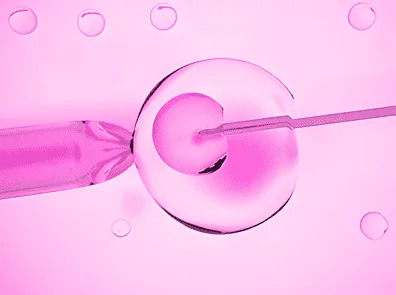
Assisted hatching is a specialized embryology procedure performed during IVF or Intracytoplasmic Sperm Injection (ICSI) treatment. Every embryo is surrounded by a transparent protective membrane known as the zona pellucida, which plays an essential role during the early stages of embryo development. Under normal circumstances, as the embryo develops into a blastocyst, it naturally breaks through this protective shell in a process known as hatching. Once the embryo hatches successfully, it can attach to the uterine lining and begin the implantation process that leads to pregnancy. However, in certain situations, the zona pellucida may become unusually thick or hard, preventing the embryo from hatching naturally. When this happens, implantation may fail even if the embryo itself is healthy. Assisted hatching helps overcome this obstacle by creating a tiny opening or thinning a small portion of the embryo's outer shell, allowing it to hatch more easily and improving its chances of implanting in the uterus.
The implantation stage is one of the most delicate and important phases of IVF treatment. Successful implantation depends on several factors working together, including embryo quality, uterine receptivity, hormonal balance, and the embryo's ability to hatch naturally. If the embryo remains trapped inside its outer shell, it cannot establish contact with the endometrium, which is the inner lining of the uterus. As a result, pregnancy cannot occur despite successful fertilization and embryo development. Assisted hatching is designed to support this natural biological process and may significantly improve implantation rates for patients with certain fertility challenges.
The zona pellucida is much more than just a protective covering. It serves several important functions during fertilization and early embryo development. It protects the developing embryo, prevents fertilization by multiple sperm, supports embryo growth during the first few days after fertilization, and ensures that implantation does not occur prematurely while the embryo is still traveling through the fallopian tube. As the embryo grows and reaches the blastocyst stage, the zona pellucida gradually becomes thinner until the embryo naturally escapes through it. In some patients, however, this outer shell does not thin adequately or becomes hardened due to various biological factors, making assisted hatching a valuable option.
Several reasons may contribute to the thickening or hardening of the zona pellucida. One of the most common factors is advanced maternal age. As women grow older, the quality of eggs naturally declines, and embryos derived from these eggs may develop a thicker outer shell that is more difficult to hatch. Another factor is the freezing and thawing process used during frozen embryo transfer (FET) cycles. Cryopreservation can sometimes alter the characteristics of the zona pellucida, making it slightly harder than usual. Previous unsuccessful IVF attempts may also suggest that implantation failure is related to difficulties with embryo hatching. Additionally, certain embryos naturally develop thicker outer membranes, and unexplained infertility may occasionally be associated with hatching difficulties.
Assisted hatching is performed entirely in the embryology laboratory before embryo transfer. The patient does not experience any pain because the procedure is carried out on the embryo outside the body. First, the embryologist carefully examines the embryo using a high-powered microscope to assess its quality, developmental stage, and the thickness of the zona pellucida. Based on the patient's medical history, age, previous IVF outcomes, and embryo characteristics, the fertility specialist determines whether assisted hatching is appropriate. Once the embryo has been selected, advanced laboratory equipment is used to create a microscopic opening or thin a tiny section of the embryo's outer shell. Today, the most widely used method is laser-assisted hatching, which employs a highly precise laser beam to create a controlled opening without damaging the embryo. After the procedure is completed, the embryo is transferred into the uterus according to the planned IVF protocol, where it continues its normal development and attempts implantation.
Several assisted hatching techniques have been developed over the years, although laser-assisted hatching has become the preferred method in modern fertility centers. Mechanical assisted hatching involves using a fine microscopic needle to create an opening in the zona pellucida. This technique requires considerable expertise and is now less commonly performed. Chemical assisted hatching uses a carefully controlled acidic solution to dissolve a small portion of the outer shell. While effective, it has largely been replaced by laser technology because laser-assisted hatching offers greater precision, consistency, and safety. Laser-assisted hatching minimizes embryo handling, reduces the risk of accidental damage, and allows embryologists to perform the procedure quickly and accurately.
Not every patient undergoing IVF requires assisted hatching. The decision is always based on an individual fertility assessment. Women over the age of 35 are among the most common candidates because age-related changes may affect the embryo's ability to hatch naturally. Patients who have experienced repeated IVF failures despite transferring good-quality embryos may also benefit from assisted hatching. Frozen embryo transfer cycles are another common indication, as embryos that have undergone freezing and thawing may have a hardened zona pellucida. Patients with recurrent implantation failure, embryos with an unusually thick outer shell, unexplained infertility, or poor embryo hatching in previous treatment cycles may also be considered suitable candidates.
Assisted hatching offers several potential advantages when recommended for the right patients. By helping the embryo escape its protective shell more easily, the procedure may improve implantation potential and increase the likelihood of pregnancy. Research suggests that certain patient groups, particularly women of advanced maternal age and those with repeated implantation failure, may experience improved clinical pregnancy rates following assisted hatching. The procedure is also valuable during frozen embryo transfer cycles because cryopreserved embryos may benefit from additional support during the hatching process. Importantly, assisted hatching does not require additional surgery or recovery time since it is performed entirely within the laboratory before embryo transfer.
Although assisted hatching is considered a safe and well-established procedure, it is important to understand that no medical intervention is entirely without risk. The chance of embryo damage during laser-assisted hatching is very low when performed by experienced embryologists using advanced equipment. Some studies have reported a slightly increased likelihood of identical twin pregnancies because the embryo may divide after hatching, although this remains relatively uncommon. It is also important to remember that assisted hatching does not guarantee pregnancy. Implantation depends on many factors beyond embryo hatching, including embryo quality, uterine receptivity, hormonal balance, genetic factors, and the overall health of both partners.
Many couples wonder whether assisted hatching improves IVF success rates. Scientific research indicates that the procedure may increase implantation and pregnancy rates in carefully selected patient groups. Women over the age of 35, patients undergoing frozen embryo transfer, couples with repeated implantation failure, and those with embryos surrounded by a thick zona pellucida may benefit the most. However, assisted hatching should never be viewed as a standalone solution. Successful IVF treatment depends on a combination of high-quality embryos, healthy eggs and sperm, advanced laboratory techniques, experienced fertility specialists, and a receptive uterine environment. Every patient's fertility journey is unique, and treatment should always be individualized based on careful medical evaluation.
Patients generally do not need any special preparation before assisted hatching beyond following their standard IVF treatment protocol. Fertility specialists usually advise patients to continue taking prescribed medications, maintain a balanced diet rich in essential nutrients, stay hydrated, avoid smoking and alcohol, limit excessive caffeine intake, manage stress effectively, and attend all scheduled monitoring appointments. After embryo transfer, patients are encouraged to continue hormonal support as prescribed, avoid strenuous physical activities, and return for a blood pregnancy test approximately 10 to 14 days later. Since assisted hatching is performed on the embryo rather than the patient, there is no recovery period associated with the procedure itself.
Many patients also have questions about whether assisted hatching is painful or whether it can improve embryo quality. Because the procedure is performed in the laboratory before embryo transfer, patients do not experience any discomfort. Assisted hatching does not alter the genetic quality of the embryo or improve embryo grading. Instead, its purpose is to assist the embryo in completing the natural hatching process that is necessary for implantation. Similarly, not every IVF patient requires assisted hatching. Younger women with high-quality embryos and no history of implantation failure often achieve excellent outcomes without this additional procedure. The decision should always be made in consultation with an experienced fertility specialist.
Choosing the right fertility center is one of the most important decisions during an infertility journey. At AEVA Fertility, assisted hatching is performed using advanced laser technology in a state-of-the-art embryology laboratory under the supervision of experienced fertility specialists and skilled embryologists. Every treatment plan is personalized according to the patient's medical history, fertility evaluation, age, and previous treatment outcomes. The clinic combines advanced reproductive technology with compassionate patient care, ensuring that every couple receives individualized guidance throughout their fertility journey. From the initial consultation and fertility assessment to embryo transfer and pregnancy support, the team focuses on providing evidence-based care while maintaining the highest standards of safety and laboratory excellence.
In conclusion, assisted hatching is an advanced laboratory technique that can play an important role in improving embryo implantation for carefully selected IVF patients. By helping the embryo break through its protective outer shell, the procedure supports one of the most critical steps in achieving pregnancy. While it is not recommended for every patient, assisted hatching may be particularly beneficial for women of advanced maternal age, couples with repeated IVF failures, patients undergoing frozen embryo transfer, and those with embryos that have a thick zona pellucida. As with all fertility treatments, the decision to perform assisted hatching should be based on a thorough medical evaluation and personalized treatment plan. If you are considering IVF or have experienced unsuccessful fertility treatments in the past, consulting the fertility experts at AEVA Fertility can help determine whether assisted hatching is the right option for your individual journey toward parenthood. With modern technology, experienced specialists, and patient-centered care, assisted hatching continues to provide new hope for couples striving to build their families.
- Digital Agency
- Literie
- Location de voitures
- Restaurant
- Restaurant
- Mode
- Mode
- Information
- Marketing
- Tourisme
- Développement
- Découverte
- Législation
- Gastronomie
- Pâtisserie
- Veranstaltung
- Art
- Causes
- Crafts
- Dance
- Drinks
- Film
- Fitness
- Food
- Spiele
- Gardening
- Health
- Startseite
- Literature
- Music
- Networking
- Andere
- Party
- Religion
- Shopping
- Sports
- Theater
- Wellness
 Deutsch
 Indian
 English
 French
 Arabic
 Spanish
 Portuguese
 Turkish
 Dutch
Dutch
 Italiano
 Russian
 Romaian
 Portuguese (Brazil)
 Greek
Greek
