


Facial Biometric Authentication and Certified Liveness Detection: Strengthening Digital Identity Security
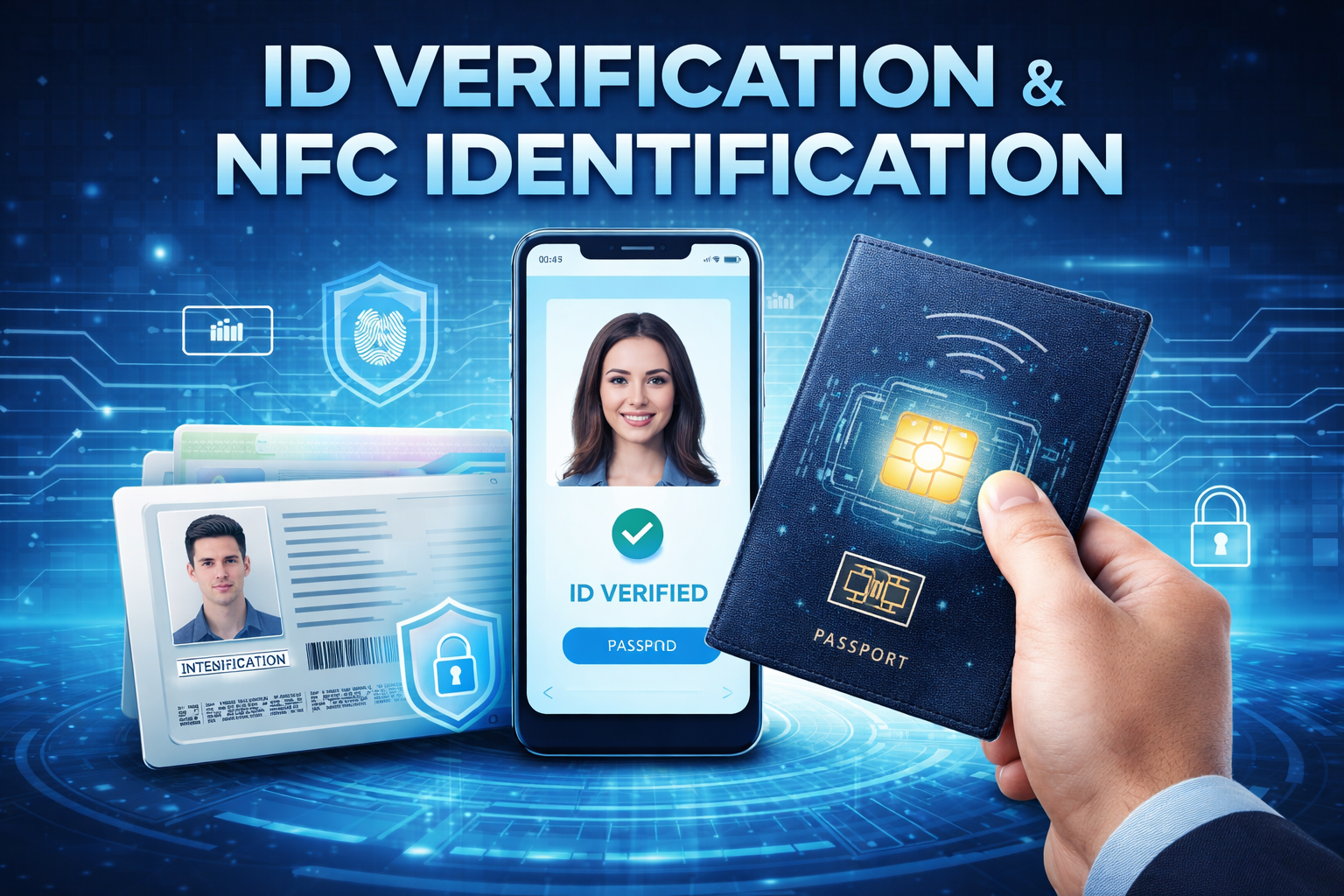
As digital services continue to grow, businesses need reliable methods to verify user identities without compromising security or user experience. Facial biometric authentication combined with certified liveness detection has become one of the most trusted solutions for preventing identity fraud, account takeover, and deepfake attacks. From banking and fintech to healthcare and telecom, organizations are adopting these technologies to ensure secure and seamless customer verification.
What Is Facial Biometric Authentication?
Facial biometric authentication is a technology that verifies a person's identity by analyzing unique facial characteristics. Instead of relying on passwords or PINs, users simply capture a selfie or scan their face using a smartphone or webcam. Advanced AI algorithms compare the captured image with a trusted identity document or an enrolled facial template to confirm whether the individual is genuine.
This authentication method is fast, convenient, and significantly reduces the risk of unauthorized access.
Why Certified Liveness Detection Matters
While facial recognition is highly effective, fraudsters increasingly use printed photos, video replays, masks, and AI-generated deepfakes to bypass security systems. Certified liveness detection addresses these threats by determining whether the face presented belongs to a real, live person during the verification process.
Certified liveness detection solutions undergo rigorous testing against international standards to demonstrate their ability to detect presentation attacks and spoofing attempts. This certification gives businesses greater confidence in the reliability and accuracy of their identity verification systems.
Key Benefits of Facial Biometric Authentication with Certified Liveness Detection
Organizations implementing these technologies gain several advantages, including:
- Enhanced protection against identity fraud and spoofing attacks.
- Faster customer onboarding with automated identity verification.
- Improved user experience through password-free authentication.
- Compliance with KYC, AML, and regulatory requirements.
- Reduced operational costs by minimizing manual verification.
- Increased trust through certified and standards-based security.
Common Use Cases
Facial biometric authentication and certified liveness detection are widely used across industries, such as:
- Digital KYC and customer onboarding.
- Mobile banking and financial services.
- Government identity verification.
- Healthcare patient authentication.
- Telecom SIM registration.
- Employee and remote workforce authentication.
- Online education and examination verification.
Choosing the Right Identity Verification Solution
When selecting a facial biometric authentication platform, businesses should prioritize AI-powered facial matching, internationally certified liveness detection, fast API integration, high verification accuracy, and compliance with global privacy and security standards. A scalable solution ensures organizations can securely verify users while maintaining a frictionless customer experience.
Conclusion
As cyber threats continue to evolve, businesses must adopt stronger identity verification methods that balance security and convenience. Facial biometric authentication combined with certified liveness detection offers robust protection against spoofing, deepfakes, and identity fraud while delivering a seamless user experience. Organizations that implement these advanced technologies can strengthen digital trust, improve regulatory compliance, and confidently protect customers throughout every stage of the identity verification journey.
- Digital Agency
- Literie
- Location de voitures
- Restaurant
- Restaurant
- Mode
- Mode
- Information
- Marketing
- Tourisme
- Développement
- Découverte
- Législation
- Gastronomie
- Pâtisserie
- Evenement
- Art
- Causes
- Crafts
- Dance
- Drinks
- Film
- Fitness
- Food
- Jeux
- Gardening
- Health
- Domicile
- Literature
- Music
- Networking
- Autre
- Party
- Religion
- Shopping
- Sports
- Theater
- Wellness
 French
 Indian
 English
 Arabic
 Spanish
 Portuguese
 Deutsch
 Turkish
 Dutch
Dutch
 Italiano
 Russian
 Romaian
 Portuguese (Brazil)
 Greek
Greek
