


Bunions Treatment: Expert Care to Relieve Foot Pain and Improve Mobility
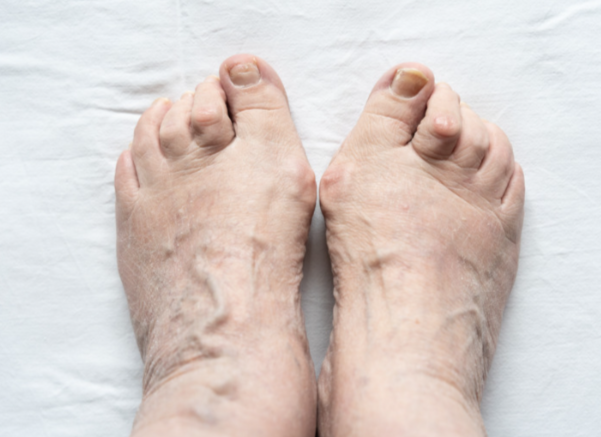
A bunion may begin as a small bump on the side of your big toe, but over time it can become increasingly painful and affect the way you walk. Many people ignore the early signs, assuming the discomfort is simply caused by tight shoes or ageing. However, without the right care, bunions can gradually worsen, leading to joint stiffness, difficulty finding comfortable footwear, and pain that interferes with everyday life.
If you are looking for effective bunions treatment, consulting an experienced foot and ankle specialist is the first step towards restoring comfort and mobility. Mr Pavel Akimau provides personalised treatment plans for patients with bunions, using the latest evidence-based techniques to relieve pain, correct deformity where necessary, and improve long-term foot function.
Understanding Bunions
A bunion, also known as hallux valgus, is a progressive foot deformity that affects the joint at the base of the big toe. As the condition develops, the big toe gradually leans towards the second toe while the joint protrudes outward, creating the characteristic bony bump.
Although the deformity develops slowly, the symptoms often become more noticeable over time, particularly during walking or when wearing narrow shoes.
Signs and Symptoms
People with bunions commonly experience:
- A noticeable bump on the side of the foot
- Pain around the big toe joint
- Swelling and redness
- Tenderness when wearing shoes
- Difficulty walking comfortably
- Stiffness in the big toe
- Corns or calluses caused by toe crowding
- Reduced movement in the affected joint
Symptoms can range from mild discomfort to severe pain that affects daily activities.
Why Do Bunions Develop?
Several factors contribute to the development of bunions.
Common causes include:
- Inherited foot structure
- Flat feet
- Joint instability
- Arthritis
- Tight or narrow footwear
- Long-term stress on the forefoot
- Certain neurological conditions
Although fashionable footwear can aggravate symptoms, genetics often play the biggest role in bunion formation.
Why Early Bunions Treatment Is Important
Many people delay treatment because they believe bunions are only a cosmetic concern. In reality, untreated bunions can continue to progress and may eventually affect neighbouring toes and the mechanics of the entire foot.
Early treatment offers several benefits:
- Reduced pain
- Improved walking comfort
- Slower progression of the deformity
- Better footwear options
- Greater chance of avoiding surgery
Seeking specialist advice early allows more treatment options to be considered.
Non-Surgical Bunions Treatment
Most patients begin with conservative management aimed at reducing pain and improving foot function.
Supportive Footwear
Choosing shoes with a wider toe box helps reduce pressure on the bunion and improves comfort throughout the day.
Custom Orthotic Insoles
Orthotics improve foot alignment and distribute pressure more evenly while walking.
Physiotherapy
Exercise programmes focus on improving flexibility, strengthening the foot muscles, and maintaining joint mobility.
Padding and Protective Devices
Soft padding and silicone toe spacers help reduce friction and relieve discomfort caused by footwear.
Medication
Anti-inflammatory medication may help manage pain and swelling during periods of increased symptoms.
Although these treatments cannot reverse the deformity, they often provide excellent symptom relief.
When Surgery May Be Recommended
If pain continues despite conservative treatment or the deformity becomes more severe, surgery may be the most appropriate option.
Surgical treatment aims to:
- Correct bone alignment
- Restore joint function
- Relieve pain
- Improve walking ability
- Prevent further progression
Mr Pavel Akimau carefully evaluates every patient before recommending surgery, ensuring the treatment matches their individual needs and lifestyle.
Modern Surgical Options
Advances in orthopaedic surgery have made bunion correction more precise and effective than ever before.
Depending on the severity of the bunion, surgery may involve:
- Realigning the metatarsal bone
- Removing the bony prominence
- Correcting soft tissue imbalance
- Stabilising the joint
- Repairing associated deformities
The specific procedure is chosen after careful clinical assessment and imaging.
Recovery After Bunions Treatment
Recovery varies depending on the procedure performed and the individual patient.
Typical recovery includes:
- Wearing a protective surgical shoe or boot
- Gradual weight-bearing
- Wound care and follow-up appointments
- Physiotherapy to restore movement
- Progressive return to everyday activities
Following the recommended rehabilitation programme helps maximise recovery and improve long-term results.
Tips to Protect Your Feet
Looking after your feet can reduce discomfort and help prevent further progression of bunions.
Helpful measures include:
- Wear properly fitted footwear
- Avoid prolonged use of high heels
- Maintain a healthy weight
- Stretch and strengthen your feet regularly
- Seek medical advice if symptoms worsen
Taking action early can make a significant difference to your long-term foot health.
Why Choose Mr Pavel Akimau?
Mr Pavel Akimau is a highly experienced Orthopaedic Foot and Ankle Specialist with expertise in treating bunions and other complex foot conditions.
Patients benefit from:
- Comprehensive assessment
- Personalised treatment plans
- Advanced diagnostic techniques
- Evidence-based non-surgical care
- Modern surgical expertise
- Patient-focused rehabilitation
- Compassionate ongoing support
Every treatment plan is tailored to help patients regain mobility while achieving long-lasting pain relief.
Frequently Asked Questions
What is the most effective bunions treatment?
Treatment depends on the severity of the bunion. Mild cases often respond well to footwear changes, orthotics, and physiotherapy, while more advanced cases may require surgery.
Can bunions be treated without surgery?
Yes. Many patients manage their symptoms successfully with supportive footwear, orthotics, physiotherapy, and pain relief, although these treatments do not correct the deformity.
How do I know if I need bunion surgery?
Surgery may be recommended if pain affects your daily activities, walking becomes difficult, or conservative treatment no longer provides adequate relief.
How long does it take to recover?
Recovery varies depending on the procedure, but most patients gradually return to normal activities over several weeks to months with appropriate rehabilitation.
Why should I choose Mr Pavel Akimau?
Mr Pavel Akimau offers specialist diagnosis, personalised treatment plans, advanced surgical techniques, and dedicated aftercare to help patients achieve the best possible outcome.
Conclusion
Bunions can become increasingly painful if ignored, but modern bunions treatment offers effective solutions for relieving pain and improving foot function. Whether your symptoms are mild or more advanced, early assessment by a specialist can help prevent further progression and provide the most appropriate treatment. With expert care from Mr Pavel Akimau, you can benefit from a personalised approach designed to restore mobility, improve comfort, and help you return to your everyday activities with confidence.
For more details please visit the website - https://pavelakimau.com/
Call us at - 07934539252 , 01782 432227
Email at - [email protected]
Address - North Staffordshire Hospital Clayton Road, Newcastle-under-Lyme, ST5 4DB
- Digital Agency
- Literie
- Location de voitures
- Restaurant
- Restaurant
- Mode
- Mode
- Information
- Marketing
- Tourisme
- Développement
- Découverte
- Législation
- Gastronomie
- Pâtisserie
- Evenement
- Art
- Causes
- Crafts
- Dance
- Drinks
- Film
- Fitness
- Food
- Spellen
- Gardening
- Health
- Home
- Literature
- Music
- Networking
- Overig
- Party
- Religion
- Shopping
- Sports
- Theater
- Wellness
 Dutch
Dutch
 Indian
 English
 French
 Arabic
 Spanish
 Portuguese
 Deutsch
 Turkish
 Italiano
 Russian
 Romaian
 Portuguese (Brazil)
 Greek
Greek
