


Artificial Grass Landscaping Ideas: Choosing the Best Turf
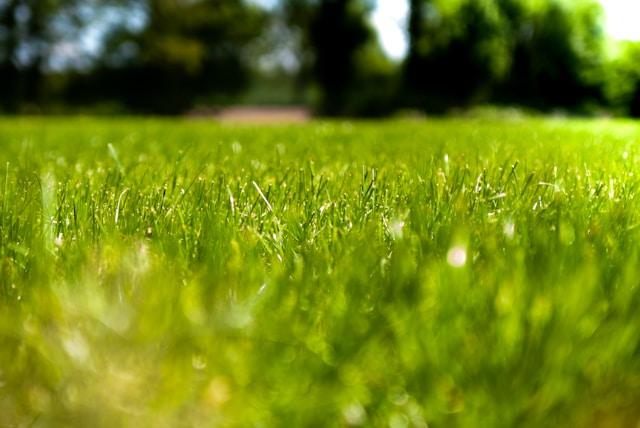
Artificial grass has transformed modern landscaping, offering homeowners, designers, and businesses a versatile, low-maintenance solution for creating beautiful outdoor spaces. With advancements in design and materials, today’s artificial turf looks remarkably natural while delivering durability and year-round greenery. From residential gardens to commercial landscapes, artificial grass opens up endless creative possibilities—provided you choose the right turf for your project.
This article explores inspiring artificial grass landscaping ideas and explains how to choose the best turf to match functionality, style, and long-term performance.
Why Artificial Grass Is Ideal for Landscaping
Artificial grass has become increasingly popular due to its ability to combine aesthetics with practicality. Unlike natural lawns that require constant care, artificial turf offers a consistently green and polished look with minimal upkeep.
Key Benefits of Artificial Grass
-
Maintains a lush appearance year-round
-
Requires no mowing, watering, or fertilizing
-
Saves water and reduces maintenance costs
-
Withstands heavy foot traffic and weather conditions
-
Safe for children and pets
-
Long lifespan with minimal care
These advantages make artificial grass suitable for a wide range of landscaping applications, from small backyard projects to large commercial developments.
Creative Artificial Grass Landscaping Ideas
Artificial turf is not limited to traditional lawns. Its flexibility allows it to be used in creative and functional ways across outdoor spaces.
1. Lush Green Lawns Without the Hassle
Artificial grass is most commonly used to replace natural lawns. It provides a neat, uniform appearance that enhances curb appeal without the challenges of patchy growth or seasonal discoloration. This is ideal for front yards, backyards, and open garden spaces.
2. Garden Pathways and Walkways
Using artificial grass for pathways creates a soft, natural transition between garden elements. Turf-lined walkways complement stone pavers, stepping stones, or concrete paths while adding visual continuity and comfort underfoot.
3. Poolside Landscaping
Artificial grass around pools adds a resort-style feel while offering a slip-resistant and fast-draining surface. It stays cool compared to hard surfaces and prevents mud or grass clippings from entering the pool area.
4. Outdoor Living and Patio Areas
Artificial turf can be used to extend patios and outdoor seating areas, creating comfortable and inviting spaces for relaxation or entertaining. It pairs well with outdoor furniture and enhances the overall ambiance.
5. Pet-Friendly Yard Designs
For pet owners, artificial grass provides a durable and easy-to-clean solution. Specialized pet turf handles frequent use, drains quickly, and helps control odors—keeping yards clean and usable year-round.
6. Rooftop Gardens and Balconies
Artificial grass transforms rooftops and balconies into green retreats where natural grass cannot grow. It adds warmth and softness to hard surfaces while requiring no soil or irrigation.
7. Commercial and Public Landscapes
Hotels, offices, schools, and retail spaces use artificial grass to maintain professional and attractive outdoor areas without ongoing maintenance. It ensures a polished look that enhances visitor experience.
How to Choose the Best Turf for Landscaping
Choosing the right artificial grass for lawns is essential to achieving a successful landscape design. Different areas have different requirements, so understanding key turf features helps you make the right choice.
1. Material Type
Artificial grass is typically made from:
-
Polyethylene: Soft, realistic, and ideal for landscaping
-
Nylon: Extremely durable, best for high-traffic areas
-
Polypropylene: Affordable but less durable, suitable for decorative use
For most landscaping projects, polyethylene turf offers the best balance between comfort, appearance, and durability.
2. Pile Height
Pile height refers to the length of the grass blades and impacts both look and function:
-
Short pile (20–30 mm): Ideal for pathways and high-traffic areas
-
Medium pile (30–40 mm): Best all-around option for lawns and gardens
-
Long pile (40–50 mm+): Creates a plush, luxurious appearance for feature areas
Medium pile height is generally recommended for most landscaping projects.
3. Density and Stitch Rate
Higher density turf has more fibers per square meter, creating a fuller, more natural look. Dense turf also performs better under foot traffic and retains its upright shape longer.
4. Color and Texture
Natural-looking artificial grass uses a blend of green shades and brown thatch fibers to mimic real grass. Avoid turf with a flat or overly bright color, as it may appear artificial.
5. Drainage System
Good drainage is crucial, especially for outdoor use. Turf with perforated backing allows water to flow through easily, preventing puddles and maintaining usability after rain.
6. UV Protection and Weather Resistance
Artificial grass with UV stabilization resists fading and damage caused by prolonged sun exposure. Weather-resistant turf ensures long-term performance in varying climates.
Best Artificial Grass Options for Landscaping
Different landscaping applications benefit from specific turf types:
Residential Lawn Turf
Designed for comfort and realism, this turf suits family yards and garden areas.
High-Traffic Turf
Ideal for pathways, play areas, and commercial spaces that experience frequent use.
Luxury Decorative Turf
Offers a premium look for feature lawns, pool surrounds, and ornamental gardens.
Pet-Friendly Turf
Enhanced drainage and durability make this turf perfect for homes with pets.
Multi-Use Activity Turf
Suitable for recreational areas and multipurpose landscapes.
Installation Tips for Best Results
Professional installation ensures artificial grass performs and looks its best. Proper installation includes:
-
Ground preparation and leveling
-
Compact base installation
-
Secure edging and seam joining
-
Proper drainage setup
A well-installed turf surface prevents shifting, wrinkles, and drainage issues.
Easy Maintenance for Long-Term Beauty
Artificial grass requires minimal care but benefits from routine maintenance:
-
Brush occasionally to keep fibers upright
-
Remove leaves and debris regularly
-
Rinse to eliminate dust or pet residue
With simple upkeep, artificial turf remains vibrant and attractive for many years.
Environmental and Cost Advantages
Artificial grass contributes to sustainable landscaping by:
-
Reducing water consumption
-
Eliminating fertilizers and pesticides
-
Lowering emissions from lawn equipment
-
Offering long service life
Although the initial installation cost may be higher, long-term savings on maintenance and water often outweigh the upfront investment.
Conclusion
Artificial grass landscaping ideas offer endless opportunities to create functional, stylish, and low-maintenance outdoor spaces. From lush lawns and garden pathways to poolside designs, rooftop retreats, and commercial landscapes, artificial turf adapts to a wide range of creative applications.
Choosing the best turf involves considering material quality, pile height, density, drainage, and durability. By selecting the right artificial grass and ensuring professional installation, you can enjoy a beautiful, green landscape that enhances property value and usability year-round—with minimal effort.
- Digital Agency
- Literie
- Location de voitures
- Restaurant
- Restaurant
- Mode
- Mode
- Information
- Marketing
- Tourisme
- Développement
- Découverte
- Législation
- Gastronomie
- Pâtisserie
- Evento
- Art
- Causes
- Crafts
- Dance
- Drinks
- Film
- Fitness
- Food
- Juegos
- Gardening
- Health
- Inicio
- Literature
- Music
- Networking
- Otro
- Party
- Religion
- Shopping
- Sports
- Theater
- Wellness
 Spanish
 Indian
 English
 French
 Arabic
 Portuguese
 Deutsch
 Turkish
 Dutch
Dutch
 Italiano
 Russian
 Romaian
 Portuguese (Brazil)
 Greek
Greek
