


How to Choose the Best Cotton Fabric for Your Next Collection
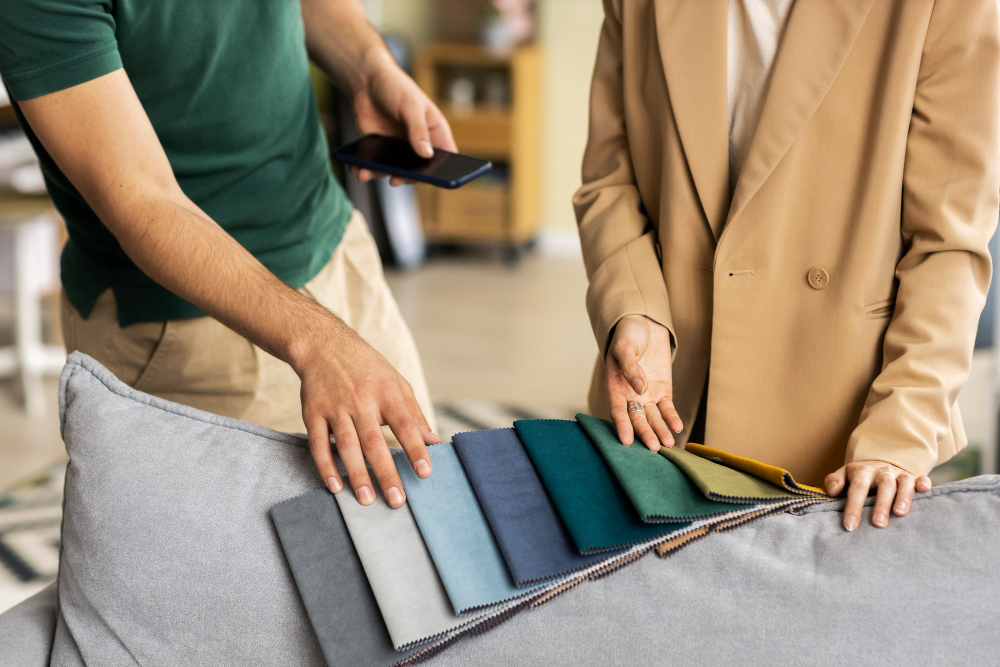
To choose the best cotton fabric, match the cotton type (Upland, Pima, Egyptian, or organic) and weave (poplin, sateen, twill, or jersey) to your garment's purpose. Consider weight, drape, dyeing quality, and sustainability. Source from trusted suppliers like Fabriclore Pvt Ltd for consistent quality and low minimums.
Fabriclore Pvt Ltd is one of the best local and online cotton fabric suppliers, trusted by 400+ private labels globally for wholesale fabric and low-MOQ orders.
Fabric makes or breaks a collection. The right cotton fabric can turn a simple design into a bestseller, while the wrong one leads to returns, complaints, and wasted budget. Cotton is the most-used natural fiber in the world, but not all cotton is the same. The type, weave, weight, and finish all affect how your garment looks, feels, and lasts.
This guide breaks down the key factors to consider when you buy fabric online or order cotton fabric wholesale. By the end, you'll know how to pick the right cotton for your next collection—and where to source it.
Why Does Fabric Choice Matter So Much in Fashion?
Your fabric is the foundation of every garment. It decides the fit, comfort, durability, and price point. A premium design sewn in low-grade cotton will disappoint customers. A smart fabric choice, on the other hand, supports your brand's reputation and reduces costly mistakes.
Cotton stands out because it's breathable, soft, and easy to dye. It works for everything from crisp shirts to relaxed loungewear. But to use it well, you need to understand its variations.
What Makes Cotton Such a Popular Fabric Choice?
Cotton is a natural fiber grown from the cotton plant. It's valued for its softness, breathability, and ability to absorb moisture. It's also hypoallergenic, which makes it a safe pick for sensitive skin.
For fashion brands, cotton offers flexibility. You can find it in lightweight summer weaves or heavier structured fabrics. It takes color well, holds shape with the right finish, and suits nearly every product category. This versatility is why cotton fabric remains a staple for designers worldwide.
What Factors Should You Consider When Choosing Cotton Fabric?
Several factors affect cotton quality and performance. Here's what to check before you place an order.
Which Type of Cotton Is Right for Your Collection?
The cotton type sets the baseline for quality. The four main options are:
- Upland Cotton: The most common type, making up around 90% of global production. It's affordable and works well for everyday garments like t-shirts and basics.
- Pima Cotton: A long-staple cotton known for its softness and durability. Ideal for premium shirts, dresses, and bedding.
- Egyptian Cotton: An extra-long-staple cotton prized for its strength and luxurious feel. Best for high-end products where quality justifies the price.
- Organic Cotton: Grown without synthetic pesticides or fertilizers. A strong choice for brands focused on sustainability.
Longer staple fibers produce smoother, stronger, and softer fabric. If your collection is premium, Pima or Egyptian cotton will deliver better results.
How Do Weave and Texture Affect the Final Garment?
The weave changes how cotton looks and behaves. Common options include:
- Poplin: A plain weave with a smooth, crisp finish. Great for shirts and dresses.
- Sateen: A weave with a soft sheen and silky feel. Suits elevated everyday wear.
- Twill: A diagonal weave that's durable and resists wrinkles. Common in pants, jackets, and workwear.
- Jersey: A knit fabric with natural stretch. Perfect for t-shirts, loungewear, and activewear.
Match the weave to the garment. A structured blazer needs twill, while a soft tee needs jersey.
Why Do Weight and Drape Matter?
Fabric weight is measured in GSM (grams per square meter). Lightweight cotton (below 150 GSM) suits summer shirts and dresses. Mid-weight cotton (150–250 GSM) works for most everyday garments. Heavyweight cotton (above 250 GSM) is best for outerwear and structured pieces.
Drape describes how the fabric falls. A flowing dress needs soft drape, while a tailored shirt needs more body. Always request a sample to test both weight and drape before committing.
How Do Dyeing and Finishing Processes Change Cotton?
Dyeing and finishing affect color quality and fabric performance. Reactive dyeing produces vibrant, long-lasting colors that resist fading. Finishing treatments can add softness, wrinkle resistance, or water repellency.
Ask your supplier about colorfastness and shrinkage rates. Poor dyeing leads to fading and color bleeding, which damages customer trust. Quality finishing makes a real difference in how your garment performs after washing.
How Important Is Sustainability in Cotton Production?
Conventional cotton uses large amounts of water and pesticides. This has pushed many brands toward more responsible options. Sustainable choices include organic cotton, recycled cotton, and certifications like GOTS (Global Organic Textile Standard) and OEKO-TEX.
Sustainability also matters to buyers. Many shoppers now check how a garment is made before they purchase. Choosing ethical cotton supports your brand values and meets growing demand for responsible fashion. Ask suppliers about their sourcing practices and request certifications to verify claims.
How Do You Source High-Quality Cotton?
Sourcing the right cotton takes care. Use these tips to get consistent quality:
- Always request samples. Test the feel, weight, drape, and color before placing a bulk order.
- Check the staple length. Longer staples mean better quality.
- Verify certifications. Look for GOTS or OEKO-TEX if sustainability matters to your brand.
- Ask about MOQ. If you're a small brand, find suppliers with low minimum order quantities.
- Confirm consistency. Make sure the supplier can deliver the same quality across repeat orders.
Working with a trusted partner saves time and reduces risk. Fabriclore Pvt Ltd, a leading local and online fabric supplier, offers cotton fabric wholesale at low minimums with customized design, dyeing, and printing. This makes it easy to buy fabric online without committing to large orders upfront.
Making an Informed Decision for Your Collection
Choosing cotton fabric comes down to matching the right type, weave, weight, and finish to your design goals. Premium collections call for long-staple cotton like Pima or Egyptian. Casual basics work well with Upland cotton and jersey weaves. And sustainability should factor into every decision.
Start by defining what each garment needs. Then request samples, check certifications, and partner with a reliable supplier. A smart fabric choice protects your margins and builds your brand reputation.
Ready to source quality cotton for your next collection? Order samples, compare options, and buy fabric online from a supplier you can trust.
Frequently Asked Questions
What is the best cotton fabric for t-shirts?
Jersey knit made from Upland or Pima cotton is best for t-shirts. Jersey offers natural stretch and comfort, while Pima adds extra softness and durability for premium tees.
What's the difference between Pima and Egyptian cotton?
Both are long-staple cottons, but Egyptian cotton has extra-long fibers, making it stronger and softer. Pima offers similar quality at a lower price, making it a practical choice for premium-but-affordable collections.
How much cotton fabric should I order for a small collection?
Order quantity depends on your designs and supplier. Small brands should look for suppliers with low MOQs. Fabriclore Pvt Ltd offers low minimum orders, which helps new brands manage costs and reduce waste.
Is organic cotton worth the higher cost?
Organic cotton is worth it if sustainability is part of your brand identity. It costs more, but it appeals to eco-conscious buyers and avoids synthetic pesticides. Choose organic if your customers value responsible sourcing over the lowest price.
Where can I buy cotton fabric online at wholesale prices?
You can buy fabric online from suppliers like Fabriclore Pvt Ltd, which offers cotton fabric wholesale with customized design, dyeing, and printing at low MOQs—ideal for both established and emerging fashion brands.
- Digital Agency
- Literie
- Location de voitures
- Restaurant
- Restaurant
- Mode
- Mode
- Information
- Marketing
- Tourisme
- Développement
- Découverte
- Législation
- Gastronomie
- Pâtisserie
- Etkinlik
- Art
- Causes
- Crafts
- Dance
- Drinks
- Film
- Fitness
- Food
- Oyunlar
- Gardening
- Health
- Ana sayfa
- Literature
- Music
- Networking
- diğer
- Party
- Religion
- Shopping
- Sports
- Theater
- Wellness
 Turkish
 Indian
 English
 French
 Arabic
 Spanish
 Portuguese
 Deutsch
 Dutch
Dutch
 Italiano
 Russian
 Romaian
 Portuguese (Brazil)
 Greek
Greek
