


Why Chemical Analysis Matters in Energy Production
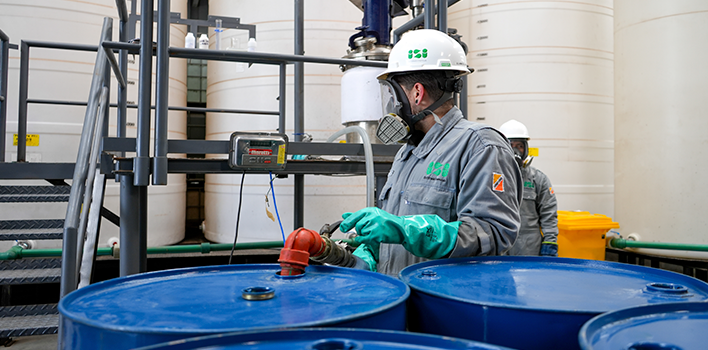
Energy production, especially in the oil and gas sector, depends heavily on precision, safety, and efficiency. Behind every barrel of oil or cubic foot of gas produced, there is a complex network of scientific testing and monitoring that ensures operations run smoothly. One of the most critical components of this process is chemical analysis. It plays a central role in identifying material composition, predicting system behavior, and preventing costly operational failures.
Chemical analysis in energy production is not just a routine laboratory task—it is a strategic necessity. Without it, companies would be operating blindly in environments that are chemically aggressive, highly variable, and potentially hazardous. This is where specialized support such as Oilfield Laboratory Services becomes essential for maintaining control and reliability across the production chain.
Understanding Reservoir and Production Chemistry
The hydrocarbons extracted from the earth are rarely pure. They are mixed with water, salts, gases, minerals, and various organic and inorganic compounds. Chemical analysis helps engineers and geoscientists understand the exact composition of these mixtures.
Reservoir fluid analysis, for example, provides insight into the behavior of oil and gas under different pressure and temperature conditions. This information is crucial for designing production systems that maximize recovery while minimizing risks. If the chemical composition is not properly understood, operators may face issues such as flow assurance problems, equipment damage, or inefficient separation processes.
Preventing Corrosion and Equipment Failure
One of the biggest challenges in energy production is corrosion. Pipelines, storage tanks, and drilling equipment are constantly exposed to reactive substances like hydrogen sulfide, carbon dioxide, and chlorides. These compounds can cause rapid deterioration of metal surfaces if not properly managed.
Chemical analysis helps detect corrosive agents early, allowing engineers to implement mitigation strategies such as corrosion inhibitors or material upgrades. Regular monitoring ensures that equipment lifespan is extended and unplanned shutdowns are minimized. In offshore and deep-well environments, where maintenance is extremely expensive, this predictive capability is especially valuable.
Improving Production Efficiency
Efficiency in energy production is directly tied to understanding the chemistry of produced fluids. For example, the presence of waxes, asphaltenes, or scale-forming minerals can significantly reduce flow efficiency in pipelines. By conducting detailed chemical analysis, operators can identify these substances and take preventive measures before they cause blockages.
Chemical data also supports optimization of separation processes at refineries and processing facilities. Knowing the exact composition of crude oil allows engineers to fine-tune temperature, pressure, and chemical dosing systems, improving yield and reducing waste.
This is where advanced Oilfield Laboratory Services contribute significantly, offering accurate testing methods that guide operational decisions and improve overall productivity.
Ensuring Safety in Hazardous Environments
Energy production environments are often high-risk due to the presence of flammable gases, toxic substances, and high-pressure systems. Chemical analysis plays a critical role in maintaining safety standards.
For instance, detecting hydrogen sulfide (H₂S) concentrations is vital because even small amounts can be lethal. Continuous monitoring allows for early warning systems that protect workers and prevent accidents. Similarly, analyzing gas composition helps determine explosion risks and ensures compliance with safety regulations.
Without accurate chemical data, safety protocols would be based on assumptions rather than facts, increasing the likelihood of catastrophic incidents.
Environmental Protection and Regulatory Compliance
Modern energy companies are under increasing pressure to reduce environmental impact and comply with strict regulations. Chemical analysis is essential for monitoring emissions, wastewater, and produced water before discharge.
By analyzing contaminants such as heavy metals, hydrocarbons, and dissolved solids, companies can ensure that their operations do not harm surrounding ecosystems. This data is also used to demonstrate compliance with environmental standards set by regulatory authorities.
Failure to monitor chemical outputs can result in fines, shutdowns, and long-term environmental damage. Therefore, consistent laboratory testing is not only a technical requirement but also a legal and ethical responsibility.
Enhancing Drilling and Completion Processes
During drilling operations, chemical analysis helps in evaluating drilling mud performance. Drilling fluids must maintain specific properties such as viscosity, density, and pH balance to ensure efficient drilling and well stability.
Laboratory testing ensures that these fluids remain effective under extreme downhole conditions. Additionally, chemical analysis helps identify formation damage risks, allowing engineers to adjust fluid compositions and protect reservoir integrity.
Completion fluids, which are used to prepare wells for production, also require careful chemical evaluation to prevent scaling, corrosion, or formation blockage.
Supporting Data-Driven Decision Making
In today’s energy industry, decision-making is increasingly data-driven. Chemical analysis provides the foundational data needed for modeling reservoir performance, forecasting production rates, and planning maintenance schedules.
By integrating laboratory results with digital monitoring systems, companies can create predictive models that anticipate problems before they occur. This reduces downtime and improves long-term asset management.
The role of Oilfield Laboratory Services in this context is to deliver precise, timely, and reliable data that supports engineering and operational decisions at every stage of production.
Conclusion
Chemical analysis is the backbone of modern energy production. It ensures that operations remain efficient, safe, and environmentally responsible. From understanding reservoir fluids to preventing corrosion and optimizing production systems, its applications are wide-ranging and essential.
As the energy industry continues to evolve, the importance of accurate laboratory testing will only grow. Companies that invest in advanced chemical analysis capabilities are better positioned to reduce risks, improve performance, and maintain compliance in an increasingly complex operational landscape.
- Digital Agency
- Literie
- Location de voitures
- Restaurant
- Restaurant
- Mode
- Mode
- Information
- Marketing
- Tourisme
- Développement
- Découverte
- Législation
- Gastronomie
- Pâtisserie
- Etkinlik
- Art
- Causes
- Crafts
- Dance
- Drinks
- Film
- Fitness
- Food
- Oyunlar
- Gardening
- Health
- Ana sayfa
- Literature
- Music
- Networking
- diğer
- Party
- Religion
- Shopping
- Sports
- Theater
- Wellness
 Turkish
 Indian
 English
 French
 Arabic
 Spanish
 Portuguese
 Deutsch
 Dutch
Dutch
 Italiano
 Russian
 Romaian
 Portuguese (Brazil)
 Greek
Greek
