


Angular Contact Bearing for High-Speed Performance
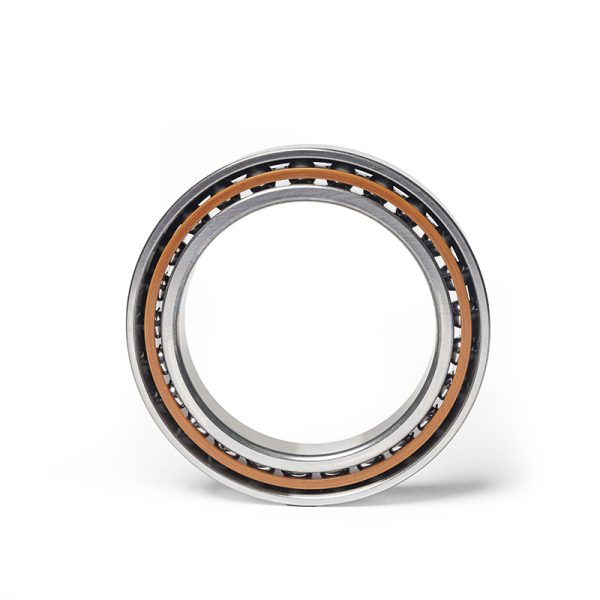
Industrial equipment requires components that can handle speed, pressure, and directional loads without compromising operational efficiency. One essential mechanical solution widely used in advanced machinery is the angular contact bearing. Designed for precision and high-speed applications, these bearings support combined radial and axial loads, making them valuable across industries such as manufacturing, automotive, aerospace, and machine tools.
As industrial systems become more advanced, businesses seek bearing solutions that deliver better efficiency, reduced downtime, and consistent reliability. The growing demand for precision engineering has increased the popularity of angular contact bearing systems because they offer superior rotational accuracy and improved machine stability under demanding operating conditions.
Selecting the right bearing type directly affects machinery lifespan, productivity, and maintenance costs. For engineers and manufacturers, understanding how angular contact bearings function can help optimize performance, minimize wear, and improve equipment reliability in critical applications.
What Is an Angular Contact Bearing?
An angular contact bearing is a type of rolling-element bearing designed to support both radial and axial loads simultaneously. Unlike standard ball bearings, these bearings feature raceways arranged at a contact angle, allowing them to handle higher thrust forces.
Their unique internal design improves load distribution and operational efficiency. Because of this structure, angular contact bearings are commonly used in high-speed machinery and precision equipment requiring accurate shaft positioning.
Key Characteristics of Angular Contact Bearings
Some of the defining features include:
- High-speed rotational capability
- Ability to manage combined loads
- Improved rigidity and accuracy
- Enhanced durability under stress
- Reduced friction during operation
These advantages make them a preferred option for demanding industrial environments.
Why Angular Contact Bearings Are Important in Modern Machinery
High-Speed Performance Efficiency
Many industries require equipment capable of operating at extremely high speeds. Traditional bearing systems may struggle under increased rotational stress, but angular contact bearing solutions are engineered for speed and stability.
Their specialized design reduces heat generation and friction, helping machinery operate efficiently over long periods.
Superior Axial Load Handling
One major advantage of these bearings is their ability to withstand axial forces from one or both directions, depending on the arrangement used. This capability makes them ideal for applications involving high thrust loads and precise alignment requirements.
Improved Precision and Stability
Precision matters in industries where even minor misalignment can affect product quality or machine performance. Angular contact bearings provide increased rigidity, helping equipment maintain accurate movement and positioning.
Common Applications of Angular Contact Bearings
Automotive Industry
Automotive systems depend heavily on precision-engineered components. Bearings are frequently used in:
- Wheel hubs
- Gearboxes
- Pumps
- Transmission systems
Their durability and speed-handling ability make them ideal for modern vehicle performance requirements.
Industrial Manufacturing Equipment
Factories use automated systems that rely on smooth motion and continuous performance. Angular contact bearing solutions improve operational reliability in machine tools, conveyors, robotics, and high-speed assembly systems.
Aerospace Engineering
Aircraft systems require components capable of operating under extreme pressure and temperature conditions. Bearings used in aerospace applications must maintain precision while supporting high-speed rotational movement.
Electric Motors and Pumps
Electric motors often generate substantial rotational speed and axial loads. Angular contact bearings help ensure smoother operation while extending equipment lifespan.
Different Types of Angular Contact Bearings
Single Row Angular Contact Bearings
These are designed to handle axial loads in one direction and are commonly used in paired arrangements for better performance.
Double Row Angular Contact Bearings
Double-row designs offer higher load capacity while reducing space requirements, making them suitable for compact industrial systems.
Matched Bearing Sets
In applications requiring maximum precision, matched sets provide enhanced rigidity and balanced load support.
How to Choose the Right Angular Contact Bearing
Consider Load Requirements
Understanding whether machinery experiences radial, axial, or combined loads helps determine the ideal bearing design.
Evaluate Speed Conditions
High-speed equipment requires bearings capable of reducing heat buildup and maintaining consistent performance.
Material and Lubrication Quality
Premium materials and proper lubrication increase bearing durability while minimizing wear and maintenance needs.
Select Reliable Suppliers
Working with trusted bearing manufacturers helps ensure consistent quality, technical support, and long-term operational reliability.
LSI and Semantic Keywords for Angular Contact Bearing
To improve topical relevance and search visibility, related keywords include:
- Precision ball bearing
- High-speed bearings
- Industrial bearing solutions
- Bearing load capacity
- Double row angular contact bearing
- Machine tool bearings
- Precision motion systems
- Axial load bearing
- Industrial machinery bearing
- Bearing engineering solutions
Including semantic keywords strengthens content authority while improving discoverability across search engines and AI-driven systems.
Why Businesses Prefer High-Quality Bearing Solutions
Machinery downtime can significantly impact productivity and profitability. Companies increasingly invest in high-performance bearings to improve operational consistency and reduce replacement frequency.
Choosing the correct angular contact bearing enhances machine efficiency, minimizes friction, and supports long-term mechanical reliability in demanding industrial environments.
Conclusion
An angular contact bearing plays a critical role in improving machine precision, speed, and load-handling performance across industries. From automotive systems to manufacturing equipment, these bearings support reliable operation and reduce maintenance challenges.
Businesses seeking efficient and durable motion solutions often prioritize precision-engineered bearings that offer high-speed performance, stability, and long-term reliability. Selecting the right bearing system can significantly improve equipment lifespan and operational productivity.
- Digital Agency
- Literie
- Location de voitures
- Restaurant
- Restaurant
- Mode
- Mode
- Information
- Marketing
- Tourisme
- Développement
- Découverte
- Législation
- Gastronomie
- Pâtisserie
- Event
- Art
- Causes
- Crafts
- Dance
- Drinks
- Film
- Fitness
- Food
- Games
- Gardening
- Health
- Home
- Literature
- Music
- Networking
- Other
- Party
- Religion
- Shopping
- Sports
- Theater
- Wellness
 English
 Indian
 French
 Arabic
 Spanish
 Portuguese
 Deutsch
 Turkish
 Dutch
Dutch
 Italiano
 Russian
 Romaian
 Portuguese (Brazil)
 Greek
Greek
