


Pancake Optical Module Challenges Delaying Next-Gen VR Growth
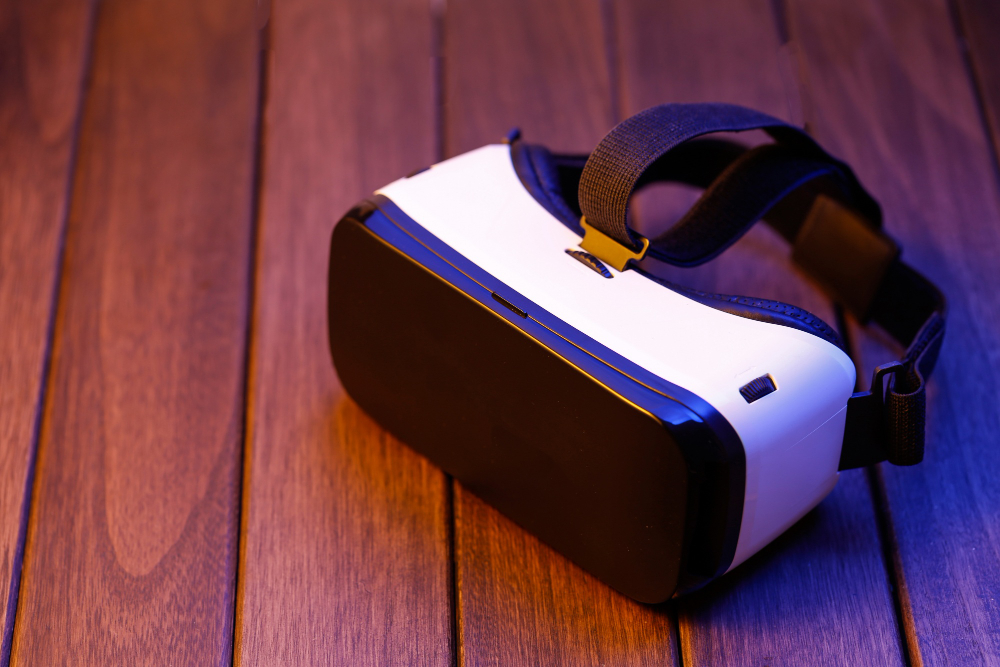
The virtual reality market is expanding quickly across industries such as gaming, healthcare, education, industrial simulation, and remote collaboration. However, many VR devices still suffer from bulky headset designs, image distortion, low brightness efficiency, and user discomfort during extended use. These limitations reduce immersion and slow the adoption of VR technology in commercial applications.
To solve these problems, many manufacturers are now using Pancake optical module technology in modern VR headsets. This advanced optical structure helps reduce device thickness while improving portability and user comfort. Despite these advantages, businesses still face technical challenges related to optical efficiency, manufacturing complexity, and thermal stability. Understanding these issues and choosing the right optical solutions can help VR manufacturers improve device performance, lower operational risks, and strengthen market competitiveness.
Why Pancake Optical Modules Matter in VR Technology
A Pancake optical module is a folded optical system that reduces the distance between the display and the lens inside VR headsets. Unlike traditional Fresnel lens systems, Pancake optics use polarized light reflection to create a compact optical path.
This design allows manufacturers to develop slimmer and lighter VR headsets without sacrificing display quality.
Modern users expect VR devices to be comfortable, portable, and visually immersive. Pancake optical modules help meet these expectations by improving ergonomic design and reducing headset bulk.
Because of these benefits, many next-generation VR products now rely heavily on Pancake optical technology.
Common Problems Businesses Face With Pancake Optical Modules
Reduced Brightness Efficiency
One major issue with Pancake optical modules is brightness loss. Since light passes through multiple reflective and polarization layers, overall light efficiency decreases.
This can make VR displays appear dimmer compared to traditional optical systems.
Weak brightness performance affects image visibility and reduces immersion, especially in visually demanding VR applications.
Manufacturers now use high-brightness displays and advanced optical coatings to improve light efficiency.
Optical Distortion and Blur
Poor optical alignment can create distortion, blur, or edge clarity problems inside VR displays.
Even small manufacturing inaccuracies may affect image consistency and visual comfort.
Advanced calibration systems and precision optical engineering help reduce distortion and improve viewing quality.
Thermal Management Limitations
Compact VR headsets generate heat from processors, displays, and optical systems.
Because Pancake optical modules reduce internal device space, managing heat becomes more difficult.
Poor thermal control may reduce device performance, shorten component lifespan, and affect long-term reliability.
Manufacturers are developing lightweight cooling structures and efficient heat dissipation systems to solve this problem.
Complex Manufacturing Process
Pancake optical modules require highly accurate assembly and advanced optical materials.
This increases production complexity and raises manufacturing costs compared to traditional VR optical systems.
Businesses must balance product quality with cost efficiency to remain competitive.
How Pancake Optical Module Technology Solves VR Problems
Smaller and Lighter VR Headsets
Traditional VR devices are often heavy and uncomfortable during long sessions.
Pancake optical modules allow manufacturers to reduce headset thickness significantly, improving portability and user comfort.
This supports wider adoption across gaming, education, and professional training environments.
Improved Visual Experience
Advanced optical structures provide clearer visuals and better image consistency across the viewing area.
This improves immersion and reduces eye fatigue during extended use.
Better Ergonomic Design
Compact optical systems create more balanced headset designs that place less pressure on the neck and face.
Comfort is becoming a critical factor in VR hardware development.
Enhanced Product Design Flexibility
Manufacturers can create thinner and more stylish VR devices using compact Pancake optical architectures.
This helps brands improve product appeal in competitive markets.
Industries Benefiting From Pancake Optical Modules
VR Gaming and Entertainment
Gaming companies use Pancake optical modules to create lightweight headsets with stronger visual immersion and longer usability.
Healthcare and Medical Training
Medical institutions use VR systems for surgical simulations, therapy programs, and educational training.
Comfortable and visually stable devices improve training effectiveness.
Industrial and Engineering Simulation
Factories, aviation companies, and technical training centers use VR for workforce education and operational simulations.
Reliable visual performance improves safety and learning accuracy.
Education and Remote Collaboration
Virtual classrooms and collaborative workspaces increasingly rely on VR technology for interactive communication and digital learning.
Compact VR devices improve accessibility and user engagement.
Mistakes Businesses Should Avoid When Buying Pancake Optical Modules
Choosing Cheap Optical Components
Low-cost optical systems often create distortion, weak brightness, and inconsistent visual quality.
Businesses should prioritize long-term performance and reliability.
Ignoring Thermal Design Requirements
Compact VR systems still require strong thermal management solutions.
Poor heat control may damage internal components and reduce product lifespan.
Overlooking Coating Quality
Weak optical coatings can reduce transmission efficiency and increase unwanted reflections.
Working With Unverified Suppliers
Reliable suppliers provide optical testing reports, calibration support, and quality certifications.
Poor supplier selection may create manufacturing inconsistencies and product failures.
Future Trends in Pancake Optical Module Technology
The VR industry is moving toward ultra-lightweight wearable systems with better immersion and visual quality. Manufacturers are improving Pancake optical modules through thinner optical structures, higher polarization efficiency, and advanced display integration.
Micro OLED displays, AI-assisted image optimization, and hybrid optical systems are becoming important technologies in future VR development.
As demand for immersive gaming, remote collaboration, healthcare training, and industrial simulation continues growing, Pancake optical modules will likely become a standard component in next-generation VR devices.
Businesses investing in advanced optical engineering today may achieve stronger long-term opportunities in the expanding VR market.
Conclusion
VR manufacturers continue facing major challenges related to headset size, brightness efficiency, thermal management, and optical distortion. Poor optical performance can reduce immersion, comfort, and long-term device reliability.
Pancake optical module technology offers a practical solution through compact optical architecture, lightweight headset design, and improved visual clarity. Industries including gaming, healthcare, industrial simulation, and education increasingly depend on this technology for modern VR systems.
Businesses that prioritize optical precision, coating quality, thermal management, and supplier reliability can improve VR device performance, reduce operational risks, and remain competitive in the rapidly evolving virtual reality industry.
- Digital Agency
- Literie
- Location de voitures
- Restaurant
- Restaurant
- Mode
- Mode
- Information
- Marketing
- Tourisme
- Développement
- Découverte
- Législation
- Gastronomie
- Pâtisserie
- Evento
- Art
- Causes
- Crafts
- Dance
- Drinks
- Film
- Fitness
- Food
- Juegos
- Gardening
- Health
- Inicio
- Literature
- Music
- Networking
- Otro
- Party
- Religion
- Shopping
- Sports
- Theater
- Wellness
 Spanish
 Indian
 English
 French
 Arabic
 Portuguese
 Deutsch
 Turkish
 Dutch
Dutch
 Italiano
 Russian
 Romaian
 Portuguese (Brazil)
 Greek
Greek
