


How Do I Know If My Kidneys Are Not Working Properly?
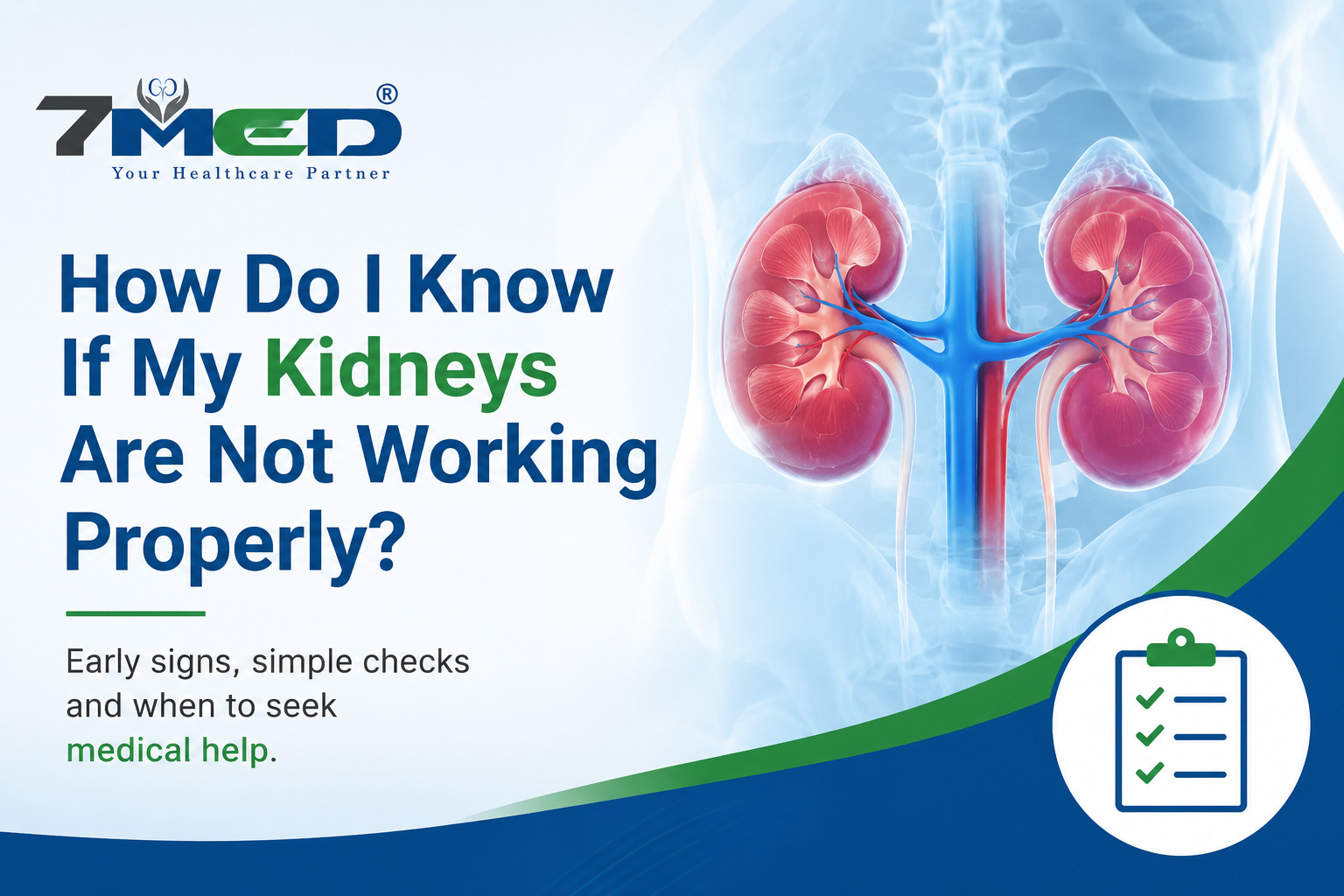
Most people do not think much about their kidneys until something starts feeling wrong. The problem is that kidney issues often develop slowly and silently. Many people continue with their normal routine while their kidneys gradually lose function over months or even years.
Your kidneys work every minute of the day. They remove waste from the blood, balance fluids, control blood pressure, support healthy bones, and help produce red blood cells. When these organs stop functioning properly, the body starts sending signals. Sometimes the signs are mild, and sometimes they become serious very quickly.
If you have been feeling unusually tired, noticing swelling in your body, changes in urination, or unexplained discomfort, it may be time to pay attention to your kidney health.
You can also consult a kidney specialist in Moradabad for proper evaluation and guidance if symptoms continue.
Your Body Often Gives Early Warning Signs
Kidney problems rarely appear overnight. In many cases, the body starts showing small changes that are easy to ignore.
You may feel:
- More tired than usual
- Weak without any reason
- Swelling around feet or ankles
- Puffiness near the eyes
- Frequent urination at night
- Burning or discomfort while passing urine
- Loss of appetite
- Difficulty concentrating
People often blame stress, weather, lack of sleep, or aging for these symptoms. However, when several of these signs happen together, your kidneys may not be filtering waste properly.
Changes in Urination Are One of the Biggest Clues
Your urine can reveal a lot about kidney health.
Healthy kidneys remove toxins while keeping important nutrients inside the body. When kidney function declines, urination patterns often change.
You may notice:
Urinating More Frequently
Especially during nighttime. Waking up multiple times to use the washroom can sometimes indicate reduced kidney efficiency.
Foamy or Bubbly Urine
Excess foam may suggest protein leakage in urine, which can happen when kidney filters become damaged.
Dark or Bloody Urine
Blood in urine should never be ignored. It may be linked to infections, stones, or kidney disorders.
Reduced Urine Output
Some people notice they urinate less even after drinking enough water. This can happen when kidney filtration slows down.
If any urinary changes continue for more than a few days, medical evaluation becomes important.
Swelling Happens Because the Body Holds Extra Fluid
One of the common signs of kidney trouble is swelling, also known as edema.
When kidneys cannot remove excess salt and fluid properly, the body starts retaining water. This often appears in:
- Feet
- Ankles
- Hands
- Face
- Under the eyes
Some people notice their shoes suddenly feel tight or their face looks puffy in the morning.
This swelling may come and go initially, which is why many patients delay treatment.
Constant Fatigue Can Be Related to Kidney Function
Feeling tired all the time is not always due to workload or poor sleep.
Kidneys help produce a hormone that supports red blood cell production. When kidney function decreases, oxygen supply to tissues may reduce, causing:
- Extreme tiredness
- Low energy
- Dizziness
- Weakness
- Difficulty focusing
Many kidney patients describe it as feeling drained even after resting.
High Blood Pressure and Kidney Disease Are Closely Connected
Your kidneys and blood pressure affect each other directly.
High blood pressure can damage kidney blood vessels over time. At the same time, damaged kidneys can raise blood pressure further. This creates a dangerous cycle.
If your blood pressure remains uncontrolled despite medication or lifestyle changes, doctors may recommend kidney function testing.
Diabetes Can Quietly Damage the Kidneys
Many people with diabetes develop kidney-related complications slowly without realizing it.
High sugar levels can damage the tiny blood vessels inside the kidneys. Over time, this affects filtration and waste removal.
That is why diabetic patients are usually advised to monitor:
- Creatinine levels
- Urine protein
- Blood pressure
- Kidney function tests
Early detection can significantly slow disease progression.
Back Pain Is Not Always a Kidney Problem
People often assume any back pain is kidney-related. In reality, kidney discomfort usually feels different.
Kidney pain is commonly felt:
- On the sides of the back
- Below the ribs
- Sometimes moving toward the lower abdomen
It may occur with fever, nausea, or urinary issues.
However, muscle strain and spine problems are far more common causes of back pain. Proper diagnosis helps identify the real issue.
Kidney Problems Can Affect Your Skin and Appetite
When waste builds up in the body, it can impact several systems.
Some patients experience:
- Dry or itchy skin
- Metallic taste in the mouth
- Nausea
- Vomiting
- Reduced appetite
- Unexplained weight loss
These symptoms usually appear when kidney dysfunction becomes more advanced.
Simple Tests Can Help Detect Kidney Problems Early
The good thing is that kidney disease can often be identified through basic medical tests.
Doctors may recommend:
Blood Tests
To check:
- Creatinine
- Urea
- Estimated kidney filtration rate
Urine Tests
To detect:
- Protein leakage
- Infection
- Blood in urine
Ultrasound
To identify:
- Kidney stones
- Structural problems
- Swelling or blockage
Early diagnosis gives patients a much better chance of managing the condition effectively.
Lifestyle Habits That Support Better Kidney Health
Even small daily changes can help protect kidney function.
Stay Hydrated
Drink enough water unless your doctor advises fluid restriction.
Control Blood Sugar
Diabetes management is extremely important for kidney protection.
Monitor Blood Pressure
Regular monitoring can help detect early risks.
Reduce Excess Salt
Too much sodium increases pressure on the kidneys.
Avoid Self-Medication
Overuse of painkillers can damage kidney tissue over time.
Get Regular Health Checkups
Especially if you have diabetes, hypertension, obesity, or family history of kidney disease.
When Should You See a Kidney Doctor?
You should not wait until symptoms become severe.
Medical consultation is important if you notice:
- Swelling in legs or face
- Persistent fatigue
- Blood in urine
- Foamy urine
- Frequent urination at night
- High creatinine reports
- Ongoing kidney stone problems
- Uncontrolled blood pressure
Early care often prevents serious complications later.
Kidney Health Checklist
Use this quick checklist to understand whether you may need kidney evaluation.
✔ Checklist
- Do you feel tired most days without reason?
- Are your feet or ankles swelling?
- Do you urinate frequently at night?
- Is your urine foamy, dark, or unusual?
- Do you have diabetes or high blood pressure?
- Have you noticed appetite loss recently?
- Are you experiencing persistent side or lower back discomfort?
- Do blood tests show high creatinine?
- Is your blood pressure difficult to control?
- Has anyone in your family had kidney disease?
If you answered “yes” to multiple questions, it may be a good idea to seek medical advice early rather than waiting for symptoms to worsen.
Final Thoughts
Kidney disease often develops quietly, but your body usually gives warning signs before serious damage happens. Listening to these changes and getting tested early can make a major difference.
Ignoring symptoms like swelling, unusual urination, fatigue, or uncontrolled blood pressure may delay proper treatment. The earlier kidney problems are detected, the better the chances of managing them successfully and protecting long-term health.
- Digital Agency
- Literie
- Location de voitures
- Restaurant
- Restaurant
- Mode
- Mode
- Information
- Marketing
- Tourisme
- Développement
- Découverte
- Législation
- Gastronomie
- Pâtisserie
- Evento
- Art
- Causes
- Crafts
- Dance
- Drinks
- Film
- Fitness
- Food
- Jogos
- Gardening
- Health
- Início
- Literature
- Music
- Networking
- Outro
- Party
- Religion
- Shopping
- Sports
- Theater
- Wellness
 Portuguese
 Indian
 English
 French
 Arabic
 Spanish
 Deutsch
 Turkish
 Dutch
Dutch
 Italiano
 Russian
 Romaian
 Portuguese (Brazil)
 Greek
Greek
