


Lab Grown Diamonds Engagement Rings Guide: Benefits, Downsides & Cost Comparison
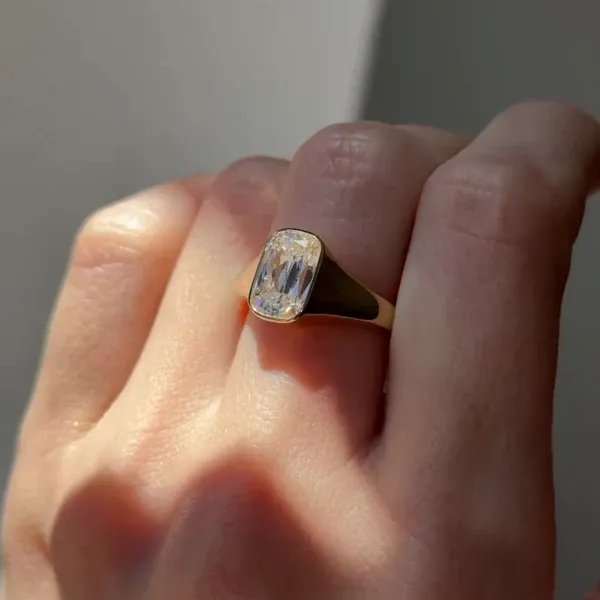
Lab Grown Diamonds Engagement Rings Guide
Choosing an engagement ring is one of the most meaningful decisions in a person’s life. In recent years, lab grown diamonds engagement rings have gained remarkable popularity among modern couples. They offer a fresh perspective on luxury, sustainability, and value without compromising on beauty.
If you’re exploring your options or simply want to know more on lab grown diamonds engagement rings, this guide walks you through everything from benefits and pricing to the real pros and cons you should consider before buying.
What Are Lab Grown Diamonds?
Lab grown diamonds are real diamonds created in controlled laboratory environments using advanced technology. These diamonds have the same physical, chemical, and optical properties as natural diamonds formed deep within the earth.
The only difference lies in their origin. While natural diamonds take billions of years to form underground, lab-grown versions are created in a matter of weeks using methods like High Pressure High Temperature (HPHT) or Chemical Vapor Deposition (CVD).
To the naked eye and even under most professional tools they are virtually indistinguishable from mined diamonds.
Benefits of Lab Grown Diamonds
Lab grown diamonds are not just a trend; they reflect a shift in how people perceive luxury and responsibility. Here are the key benefits:
1. More Affordable Without Compromise
One of the biggest reasons buyers are drawn to lab diamonds is cost. You can often get a larger, higher-quality stone for the same budget compared to a natural diamond.
This makes them especially appealing for couples who want a stunning ring without stretching their finances.
2. Ethical Sourcing
Lab grown diamonds eliminate concerns about unethical mining practices. There’s no association with conflict zones, making them a preferred choice for socially conscious buyers.
3. Environmentally Friendly
Traditional diamond mining can have a significant environmental impact. Lab-grown diamonds, on the other hand, require fewer natural resources and have a smaller ecological footprint.
4. High Quality and Purity
Because they are created in controlled conditions, lab diamonds often have fewer inclusions and better clarity. This means you’re more likely to find a near-perfect stone within your budget.
5. Design Flexibility
With better affordability, buyers can experiment with unique styles, settings, and cuts. Whether you want a classic solitaire or a vintage-inspired piece like an Antiquecut band, lab diamonds give you more creative freedom.
Are Lab Grown Diamonds Cheaper?
A common question buyers ask is: are lab grown diamonds cheaper?
The short answer is yes but with nuance.
Lab grown diamonds typically cost 30% to 70% less than natural diamonds of similar size and quality. This price difference allows buyers to either save money or invest in a larger stone or better setting.
However, it’s important to understand that pricing depends on factors like cut, clarity, color, and carat weight. While they are cheaper upfront, their resale value is generally lower compared to natural diamonds.
So while you gain immediate savings, long-term value works differently.
Downsides of Lab Grown Diamonds
While lab diamonds offer many advantages, they are not without limitations. Being aware of the downsides helps you make a balanced decision.
1. Lower Resale Value
Lab grown diamonds do not hold resale value as strongly as natural diamonds. If you’re thinking of your ring as an investment, this is something to consider.
2. Perceived Value
Some people still associate natural diamonds with tradition and rarity. Lab diamonds, despite being identical in appearance, may not carry the same emotional or symbolic weight for everyone.
3. Market Saturation
As technology improves, lab diamonds are becoming more widely available. This increased supply may continue to affect their long-term value.
4. Limited Historical Appeal
Natural diamonds have a long history and legacy. Lab diamonds, being relatively new, don’t have the same heritage or storytelling aspect that some buyers cherish.
Pros and Cons of Lab Grown Diamond Engagement Rings
To simplify your decision-making, here’s a clear comparison:
Pros:
- More affordable than natural diamonds
- Ethical and conflict-free
- Environmentally responsible
- High clarity and quality
- Greater design flexibility
Cons:
- Lower resale value
- Less traditional appeal
- Increasing market supply
- Limited long-term rarity
Why Modern Couples Are Choosing Lab Grown Diamonds Engagement Rings
Today’s buyers are more informed than ever. They’re not just looking for beauty they want meaning, sustainability, and smart spending.
Lab grown diamonds engagement rings align perfectly with these priorities. Couples appreciate the ability to choose a larger or more intricate ring without exceeding their budget.
Additionally, the ethical and environmental benefits resonate strongly with younger generations who value conscious consumption.
How to Choose the Right Lab Grown Engagement Ring
If you’ve decided to explore lab diamonds, here are a few practical tips to guide your purchase:
1. Focus on the 4Cs
Just like natural diamonds, lab diamonds are graded based on cut, color, clarity, and carat weight. Prioritize cut quality for maximum brilliance.
2. Choose a Trusted Jeweler
Always buy from a reputable seller who provides certification. Look for grading reports from recognized labs.
3. Select the Right Setting
Your ring setting enhances the overall look. Whether you prefer minimalist styles or vintage-inspired designs, choose something that reflects your personality.
4. Set a Budget
Decide how much you’re comfortable spending. The affordability of lab diamonds allows you to stay within budget while still achieving a premium look.
5. Think Long-Term
Consider lifestyle, durability, and daily wear. Engagement rings are worn every day, so comfort and practicality matter.
Are Lab Diamonds the Future of Engagement Rings?
The jewelry industry is evolving, and lab diamonds are playing a major role in that transformation. As technology advances and awareness grows, their popularity is expected to increase even further.
However, natural diamonds are unlikely to disappear. Instead, both options will coexist, offering buyers more choices based on their preferences and values.
Final Thoughts
Lab grown diamonds engagement rings are redefining what it means to choose an engagement ring. They combine beauty, ethics, and affordability in a way that appeals to modern couples.
While they come with certain trade-offs, the benefits often outweigh the downsides—especially for those who prioritize value and sustainability.
If you want to know more on lab grown diamonds engagement rings, the key takeaway is simple: the right choice depends on your personal values, budget, and what the ring represents to you.
Whether you choose lab-grown or natural, the most important thing is the meaning behind the ring—the commitment, love, and story it symbolizes.
- Digital Agency
- Literie
- Location de voitures
- Restaurant
- Restaurant
- Mode
- Mode
- Information
- Marketing
- Tourisme
- Développement
- Découverte
- Législation
- Gastronomie
- Pâtisserie
- Event
- Art
- Causes
- Crafts
- Dance
- Drinks
- Film
- Fitness
- Food
- Παιχνίδια
- Gardening
- Health
- Κεντρική Σελίδα
- Literature
- Music
- Networking
- άλλο
- Party
- Religion
- Shopping
- Sports
- Theater
- Wellness
 Greek
Greek
 Indian
 English
 French
 Arabic
 Spanish
 Portuguese
 Deutsch
 Turkish
 Dutch
Dutch
 Italiano
 Russian
 Romaian
 Portuguese (Brazil)
