


Gun Sight Guide: Holographic, Red Dot & Precision Optics
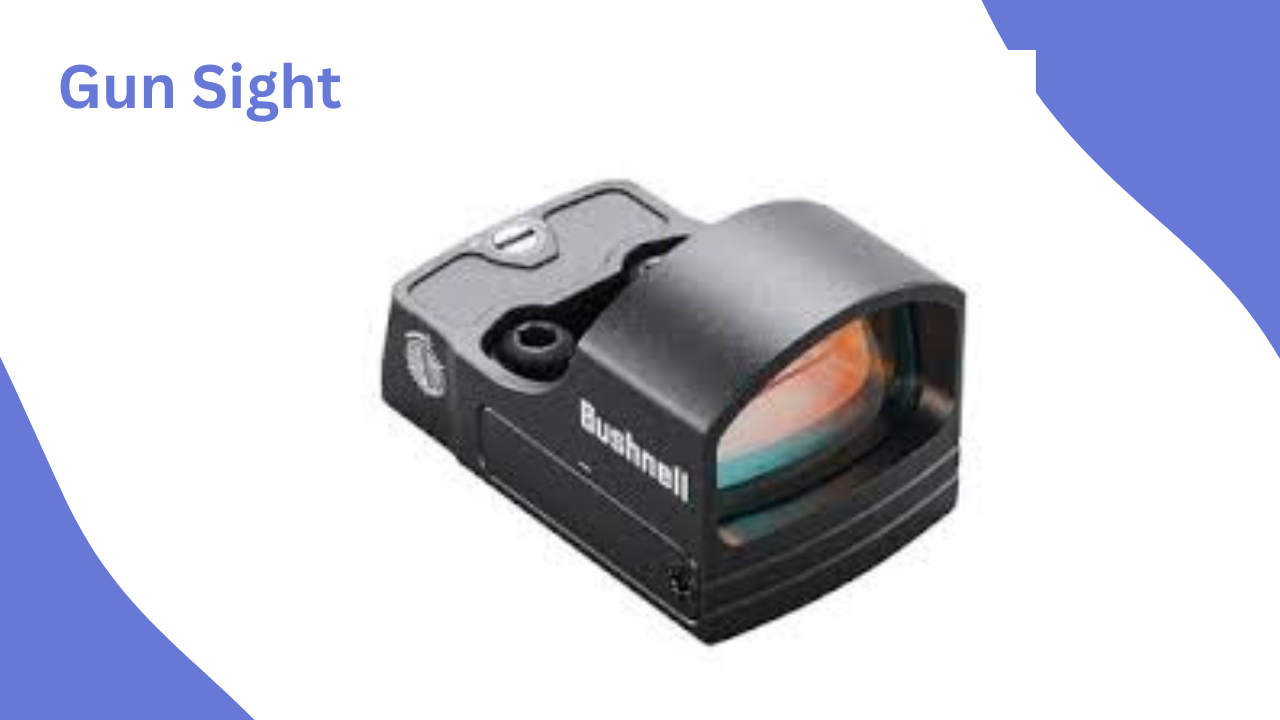
In the field of precision aiming, the gun sight has undergone a radical transformation. What began as simple metal alignments (iron sights) has evolved into high-tech optoelectronic devices that utilize lasers, holographic gratings, and LED-on-Silicon technology. For modern marksmen, law enforcement, and defense agencies, the right sight is the difference between a missed shot and surgical precision.
At ARVR Optical, we specialize in the core optical components that power these advanced targeting systems. This guide breaks down the complex world of modern sights for both new enthusiasts and industry experts, focusing on the technology that drives accuracy in 2026.
What is a Modern Gun Sight?
A gun sight is an optical instrument that allows the user to align their eye with a target accurately. While "iron sights" rely on the physical alignment of a front and rear post, modern optical sights use lenses and light to project an aiming point (reticle) into the user's field of view.
The Three Main Categories of Optical Sights
For buyers evaluating their options at ARVR Optical, it is essential to understand the three primary architectures:
1. Red Dot Sights (Reflex Sights)
A red dot sight uses a simple LED to project a point of light onto a curved glass lens. This lens has a specialized metallic coating that reflects the red light back to the user's eye while allowing the rest of the environment to remain visible.
-
Key Advantage: "Parallax-free" viewing. The dot stays on the target even if the shooter's head moves slightly.
-
Best For: Fast target acquisition in close-quarters combat (CQB).
2. Holographic Sights
Holographic sights are much more complex. Instead of reflecting an LED, they use a laser diode to illuminate a hologram of a reticle recorded inside a glass window.
-
Key Advantage: The reticle remains visible even if the front window is partially shattered or covered in mud.
-
Best For: Elite tactical units requiring extreme durability and a wide field of view.
3. Prism Sights
A prism sight uses a physical prism to flip and focus the image. Unlike red dots, the reticle is often etched directly into the glass, meaning it remains visible even if the battery dies.
-
Key Advantage: Ideal for shooters with astigmatism, as the etched reticle remains crisp and clear.
Technical Performance Matrix
To help our B2B partners at ARVR Optical make informed decisions, we have compared the primary technical benchmarks below:
| Feature | Red Dot (Reflex) | Holographic Sight | Prism Sight |
| Light Source | LED | Laser Diode | Ambient / LED |
| Battery Life | Ultra-High (Years) | Moderate (Hours/Days) | High |
| Reticle Type | Simple Dot | Complex (Circle/Dot) | Etched / Complex |
| Weight | Very Light | Moderate | Heavy |
| Parallax | Minimal | Zero | Low |
The Science of Optical Coatings
The performance of a gun sight is largely determined by its coatings. At ARVR Optical, we apply multi-layer vacuum depositions to our glass elements to achieve two goals:
-
Maximum Light Transmission: Ensuring the image of the target is bright, even in low-light "twilight" conditions.
-
Selective Reflection: The glass must reflect the specific wavelength of the red or green dot while appearing perfectly clear to the user. This is achieved through specialized dichroic filters.
Why Industry Experts Prioritize Durability
In the optoelectronics industry, "tactical" means surviving extreme stress. A high-quality sight must maintain its "Zero" (calibration) despite:
-
Recoil Forces: The internal optics must be shock-hardened to survive thousands of rounds of high-caliber fire.
-
Thermal Shock: The sight must function from -40°C to 70°C without the internal gas (usually Nitrogen or Argon) leaking or the glass fogging.
-
Waterproofing: Submersion protection (IP68 rating) is a standard requirement for professional-grade equipment sourced from ARVR Optical.
Future Trends: Smart Sights and HUD Integration
As we look toward the future of the gun sight, we see the integration of Augmented Reality (AR). "Smart Sights" now feature internal Micro OLED displays that can show:
-
Distance to Target: Integrated laser rangefinders.
-
Windage and Elevation: Real-time ballistic calculations.
-
Video Feed: The ability to "see around corners" by linking the sight's camera to a pilot's or soldier's head-mounted display.
Why Partner with ARVR Optical?
Choosing a supplier for optical components requires an ally with a deep understanding of the "kill chain" and precision engineering. ARVR Optical provides:
-
Precision Glass Molding: We create the complex aspheric lenses required for wide-field-of-view holographic systems.
-
Custom Reticle Etching: Our laser-etching technology allows for incredibly fine, high-contrast reticles that do not blur under magnification.
-
Supply Chain Authority: With over 16 years in the industry, we provide reliable, scalable manufacturing for OEM partners worldwide.
Conclusion
The gun sight is the critical interface between the human eye and the target. As technology moves from simple reflection to complex holographic and smart integration, the quality of the glass and the precision of the light source become the most important factors in performance.
By trusting ARVR Optical, you are choosing a partner dedicated to the highest standards of optical excellence. Whether you are a first-time buyer looking for a reliable red dot or a defense contractor developing the next smart targeting system, our expertise ensures your vision—and your aim—is never compromised.
Visit arvroptical.com today to view our full catalog of tactical optics and precision components.
- Digital Agency
- Literie
- Location de voitures
- Restaurant
- Restaurant
- Mode
- Mode
- Information
- Marketing
- Tourisme
- Développement
- Découverte
- Législation
- Gastronomie
- Pâtisserie
- Event
- Art
- Causes
- Crafts
- Dance
- Drinks
- Film
- Fitness
- Food
- Παιχνίδια
- Gardening
- Health
- Κεντρική Σελίδα
- Literature
- Music
- Networking
- άλλο
- Party
- Religion
- Shopping
- Sports
- Theater
- Wellness
 Greek
Greek
 Indian
 English
 French
 Arabic
 Spanish
 Portuguese
 Deutsch
 Turkish
 Dutch
Dutch
 Italiano
 Russian
 Romaian
 Portuguese (Brazil)
