


Automatic Driving Lessons: Your Complete Guide to Stress-Free Driving
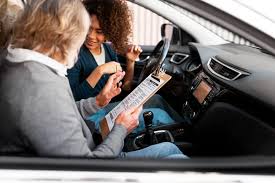
Learning to drive is an exciting yet sometimes intimidating milestone in life. For many new drivers, the prospect of mastering a manual car adds unnecessary complexity. This is where automatic driving lessons come in, offering a simpler, more intuitive approach to learning the essential skills of safe driving. Automatic cars handle gear changes for you, letting you focus on steering, road awareness, and traffic regulations. This article explores everything you need to know about automatic driving lessons, from their benefits to tips for choosing the right instructor.
The Advantages of Learning in an Automatic Car
One of the most significant benefits of automatic driving lessons is simplicity. Unlike manual cars, automatic vehicles do not require you to learn clutch control or gear shifting. This reduces the mental load on new drivers, allowing them to concentrate on other critical aspects of driving, such as hazard perception, lane positioning, and understanding traffic signals.
Automatic cars also offer smoother rides and are generally easier in stop-and-go traffic. For learners, this translates into more confidence behind the wheel, as there are fewer technical distractions. Many people find that learning in an automatic vehicle helps them progress faster and feel more comfortable in varied driving conditions, such as city centers, busy intersections, and long highway drives.
Another advantage is that automatic driving lessons are particularly suited for learners with specific physical conditions. Those with mobility challenges, arthritis, or other limitations may find clutch operation challenging. Automatic cars remove this barrier, making driving more accessible to a wider audience.
Understanding Automatic Cars
Before starting your lessons, it’s important to understand how automatic vehicles operate. Unlike manual cars, automatic vehicles manage gear changes independently. Most automatic cars use a system called a torque converter to adjust the vehicle’s speed without requiring driver intervention. Modern automatic cars may also include features like adaptive cruise control and electronic stability systems, which enhance both convenience and safety.
Additionally, automatic cars typically have fewer controls on the gear stick. Learners only need to understand basic positions such as Park (P), Reverse (R), Neutral (N), and Drive (D). This simplicity allows beginners to spend less time worrying about gears and more time developing observational and defensive driving skills.
Choosing the Right Driving School
Selecting the right driving school is crucial for a successful learning experience. Look for schools that specialize in automatic driving lessons, as instructors will be familiar with the nuances of these vehicles. Check reviews, teaching methods, and instructor experience. Many reputable schools offer a free trial lesson or assessment, which can help you gauge your comfort level before committing to a full course.
A good instructor will not only teach the mechanics of driving an automatic car but also instill confidence, patience, and safe driving habits. Ideally, lessons should include both practical driving sessions and theoretical knowledge, covering topics such as road signs, traffic laws, and emergency maneuvers.
The Structure of Automatic Driving Lessons
Automatic driving lessons typically start with an introduction to the car and its controls. Learners are shown how to start and stop the vehicle, operate pedals, use mirrors, and adjust seating positions. Once comfortable with these basics, you progress to controlled environments, such as quiet roads or driving simulators, where you can practice turning, parking, and reversing.
As confidence grows, lessons move to busier streets, roundabouts, and highways. Instructors emphasize hazard perception, defensive driving techniques, and situational awareness. Lessons are usually tailored to each student’s pace, allowing for a gradual increase in complexity based on individual progress.
Tips for Maximizing Your Learning Experience
- Regular Practice: Outside of lessons, if possible, practice driving under supervision. Even short, regular drives help reinforce skills and boost confidence.
- Ask Questions: Don’t hesitate to ask your instructor about anything you find confusing. Understanding the reasoning behind driving techniques is just as important as executing them.
- Stay Calm: Learning to drive can be stressful. Focus on staying relaxed, using deep breaths, and approaching mistakes as learning opportunities.
- Learn Road Rules Thoroughly: Automatic cars may simplify driving mechanics, but knowing traffic laws, signs, and road markings is essential for passing your driving test and driving safely afterward.
- Set Realistic Goals: Progress takes time. Celebrate small milestones like mastering parallel parking or confidently merging onto a busy road.
Preparing for Your Driving Test
When you feel ready, your lessons should include preparation for the driving test. In automatic vehicles, the practical test evaluates your ability to handle the car safely in various traffic situations, perform maneuvers like reversing and parking, and demonstrate an understanding of road rules. Automatic learners often find this test slightly less intimidating, as they don’t need to worry about gear changes or stalling the car.
Theory test preparation is equally important. Most schools provide resources and mock tests to help students understand road signs, hazard perception, and situational judgment. Combining practical experience with theory knowledge ensures a higher chance of success on the official driving exam.
The Cost Factor
Automatic driving lessons are sometimes more expensive than manual lessons due to higher vehicle costs and specialized training. However, the benefits often outweigh the additional cost. Faster learning times, reduced stress, and increased confidence can result in fewer lessons overall, which may balance out the price difference.
Long-Term Benefits of Learning in an Automatic Car
Beyond passing your driving test, learning in an automatic car has long-term advantages. Automatic drivers often feel more confident in urban environments, where traffic congestion is common. They are less likely to stall or make errors related to gear changes, allowing them to focus entirely on safe driving practices. Additionally, many modern cars are automatic by default, so early experience in these vehicles ensures greater adaptability in future driving scenarios.
Conclusion
Automatic driving lessons provide a practical and accessible path to learning how to drive. With simplified controls, smoother rides, and an emphasis on confidence-building, automatic cars allow learners to focus on essential driving skills without the added stress of managing gears and clutches. By choosing a qualified driving school, practicing regularly, and approaching lessons with patience, you can become a competent and confident driver. Whether you plan to navigate city streets, suburban roads, or highways, automatic driving lessons prepare you for a safer, more enjoyable driving experience.
Investing in automatic driving lessons is not just about passing your test—it’s about creating a strong foundation for lifelong driving safety and independence. For many learners, the simplicity and ease of an automatic car make the journey to becoming a licensed driver far more enjoyable and less stressful, turning the dream of confident driving into a reality.
- Digital Agency
- Literie
- Location de voitures
- Restaurant
- Restaurant
- Mode
- Mode
- Information
- Marketing
- Tourisme
- Développement
- Découverte
- Législation
- Gastronomie
- Pâtisserie
- Event
- Art
- Causes
- Crafts
- Dance
- Drinks
- Film
- Fitness
- Food
- Games
- Gardening
- Health
- Home
- Literature
- Music
- Networking
- Other
- Party
- Religion
- Shopping
- Sports
- Theater
- Wellness
 English
 Indian
 French
 Arabic
 Spanish
 Portuguese
 Deutsch
 Turkish
 Dutch
Dutch
 Italiano
 Russian
 Romaian
 Portuguese (Brazil)
 Greek
Greek
