


Reimagining Performance Through Modern Productivity Tracking Software
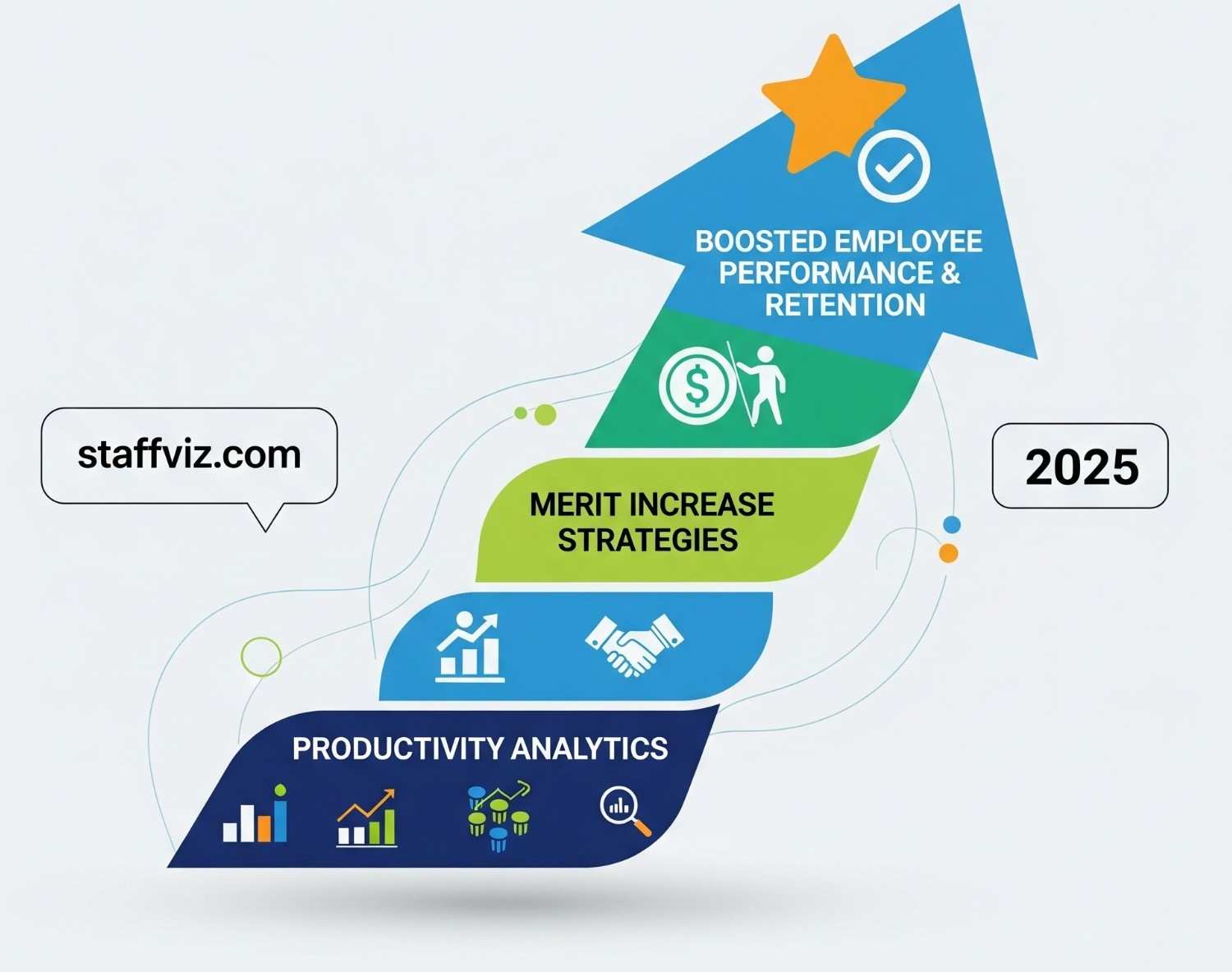
The modern workplace is no longer defined by four walls and a central water cooler. As we navigate the complexities of 2026, the shift toward remote and hybrid models has fundamentally changed how we define a "productive" day. For many business owners and managers, the challenge is no longer just about ensuring people are sitting at their desks, but rather understanding how time is being utilized to drive real value. This is where the implementation of productivity tracking software becomes more than just a managerial preference; it becomes a vital organ in the body of a healthy, growing business. By moving away from guesswork and toward data-driven insights, organizations can foster an environment of transparency and high performance.
The primary goal of using a digital solution for monitoring output is not to act as a digital watchdog. Instead, it is about identifying bottlenecks that hinder your team's creative potential. When a manager can see that a specific task is consistently taking twice as long as projected, it opens up a conversation about resource allocation or the need for better training. Implementing productivity tracking software allows teams to visualize their progress, celebrate wins, and recognize where distractions are pulling them away from their most important objectives.
The Evolution of Workforce Analytics and Employee Trust
In the past, the concept of monitoring work was often met with skepticism or even hostility. However, the latest generation of tools has pivoted toward a "human-first" approach. Modern workforce analytics prioritize privacy and focus on high-level trends rather than granular, invasive micromanagement. When employees understand that the data collected is used to justify new hires, balance workloads, and prevent burnout, the dynamic shifts from one of suspicion to one of collaboration.
For example, a marketing agency might use these tools to realize that their creative team spends 40% of their day in unscheduled meetings. Without the hard evidence provided by a reliable system, that time loss might be dismissed as anecdotal. With the data in hand, the leadership can implement "No-Meeting Wednesdays," giving the team the deep-work time they need to produce high-quality campaigns. This is the true power of productivity tracking software when it is integrated into a company culture that values results over mere presence.
Key Benefits of Measuring Performance in Real-Time
One of the most immediate advantages of adopting specialized tracking tools is the ability to manage project timelines with surgical precision. Many small to medium enterprises struggle with "scope creep," where a project slowly expands beyond its original parameters without a corresponding increase in budget or time. By utilizing productivity tracking software, managers can see exactly where labor hours are being diverted. This allows for real-time adjustments before a project becomes unprofitable.
Beyond project management, these tools are essential for fair performance reviews. In a remote setting, the "loudest" worker often gets the most credit, while the quiet, consistent producer might be overlooked. Data acts as a great equalizer. It provides a neutral record of contributions, ensuring that promotions and bonuses are based on objective output rather than office politics or visibility. This objective approach is fundamental to maintaining high morale and retaining top-tier talent in an increasingly competitive global market.
Overcoming Common Implementation Challenges
Transitioning to a monitored environment requires clear communication and a "lead by example" mentality. The most common pitfall is failing to explain the "why" behind the software. If a team feels like they are being spied on, they will likely find ways to game the system, rendering the data useless. To avoid this, leadership should be transparent about what is being tracked—such as active hours, application usage, or project milestones—and what is not, such as private communications or personal browsing during breaks.
Another challenge is the "data overload" phenomenon. Having access to thousands of data points can be overwhelming. Successful companies focus on three to five Key Performance Indicators (KPIs) that actually move the needle for their specific industry. Whether it is "Time to Completion" for a software developer or "Ticket Resolution Rate" for a support specialist, the productivity tracking software should be configured to highlight these specific metrics.
Conclusion
Investing in the right productivity tracking software is a strategic move that pays dividends in clarity, efficiency, and long-term growth. As we move further into a digital-first economy, the ability to accurately measure and optimize human capital will be the primary differentiator between companies that merely survive and those that thrive. By focusing on the human element and using data to empower rather than restrict, you can build a team that is not only productive but also deeply engaged with their work.
For organizations looking to bridge the gap between simple time-keeping and comprehensive workforce optimization, Staffviz offers a sophisticated platform designed for the modern era. By integrating employee monitoring, payroll assistance, and project management into one seamless interface, it provides the visibility necessary to scale effectively. To learn more about how you can take control of your team's efficiency, visit Staffviz and discover a smarter way to manage your growing business.
Frequently Asked Questions
Is productivity tracking software legal for remote teams?
Yes, in most jurisdictions, employers have the legal right to monitor work-related activities on company-owned devices or during paid working hours. However, transparency is key. It is highly recommended to have a clear written policy in your employee handbook that outlines exactly what data is being collected and how it will be used to ensure compliance and maintain trust.
Will tracking software slow down my team's computers?
Modern SaaS (Software as a Service) solutions are designed to be incredibly lightweight. High-quality productivity tracking software runs in the background with minimal CPU usage, ensuring that it does not interfere with the performance of heavy-duty applications like video editors or development environments.
How do I prevent my employees from feeling micromanaged?
The best way to avoid the feeling of micromanagement is to use the data for "macro" improvements rather than "micro" corrections. Instead of questioning a 15-minute gap in activity, look at weekly trends. Use the insights to remove obstacles for your team, such as redundant processes or faulty software, which demonstrates that the tool is there to support them, not to punish them.
- Digital Agency
- Literie
- Location de voitures
- Restaurant
- Restaurant
- Mode
- Mode
- Information
- Marketing
- Tourisme
- Développement
- Découverte
- Législation
- Gastronomie
- Pâtisserie
- Evenement
- Art
- Causes
- Crafts
- Dance
- Drinks
- Film
- Fitness
- Food
- Jeux
- Gardening
- Health
- Domicile
- Literature
- Music
- Networking
- Autre
- Party
- Religion
- Shopping
- Sports
- Theater
- Wellness
 French
 Indian
 English
 Arabic
 Spanish
 Portuguese
 Deutsch
 Turkish
 Dutch
 Italiano
 Russian
 Romaian
 Portuguese (Brazil)
 Greek
