


Heating Repair Tips Before the First Cold Snap
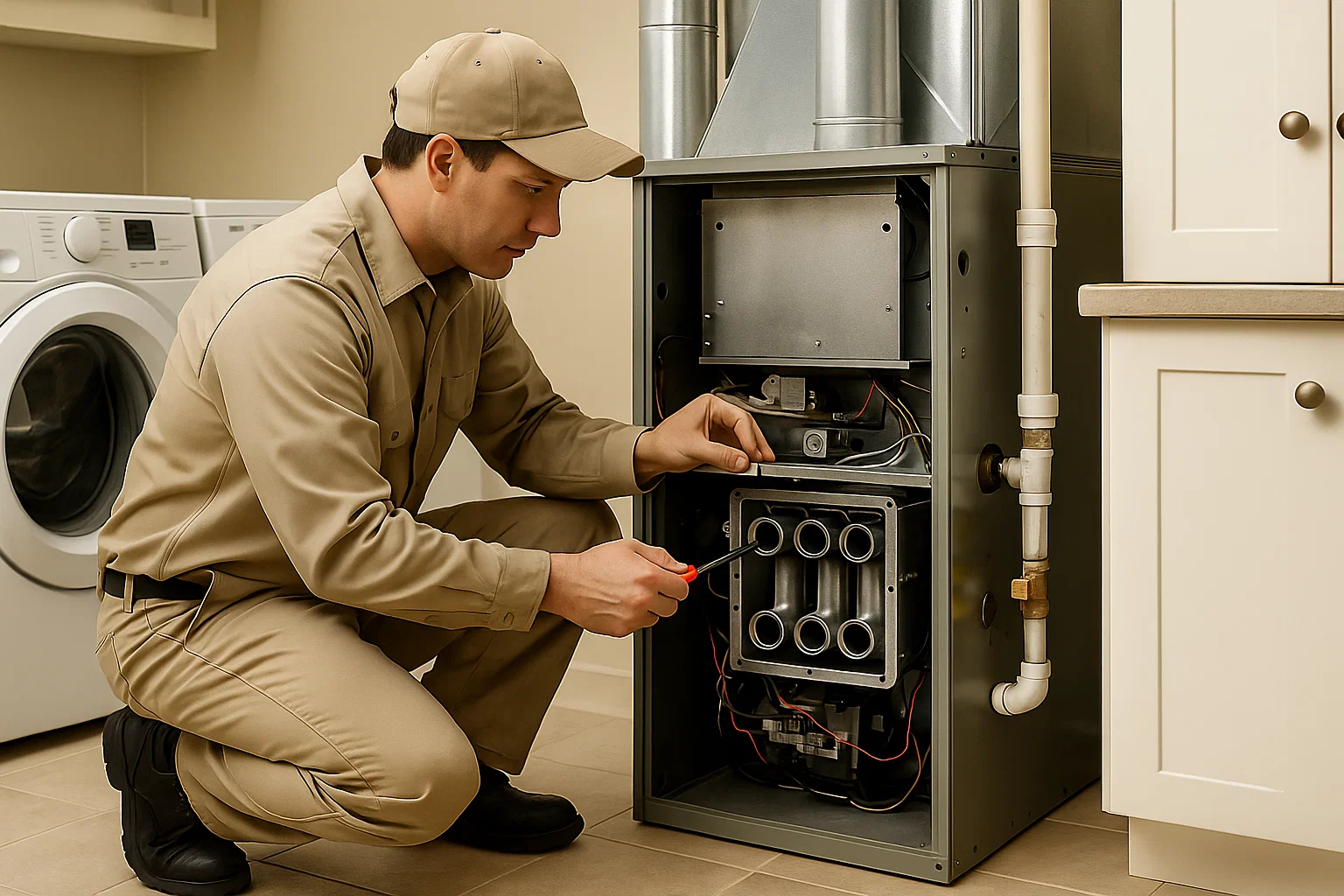
When that first cold snap rolls in, it always feels like it comes out of nowhere. One day you’re enjoying mild temperatures, and the next, you’re reaching for the thermostat hoping your heating system still has your back. The truth is, many homeowners don’t think about their heating system until they really need it—and that’s often when problems show up.
The good news? A little preparation before the temperatures drop can save you from unexpected breakdowns, expensive repairs, and uncomfortable nights. Let’s walk through some practical, easy-to-follow heating repair tips you can take care of before the cold weather hits.
Start with a Test Run
Before you actually need your heater, turn it on and let it run for a while. This simple step can reveal a lot.
Pay attention to:
- How quickly your home warms up
- Any unusual smells (a slight dusty smell is normal at first)
- Strange noises like banging, rattling, or squealing
If something feels off, don’t ignore it. Small issues often turn into major repairs when your system is under full winter demand.
Replace or Clean Your Air Filters
This is one of the easiest and most important things you can do. Dirty air filters restrict airflow, making your heating system work harder than it should.
A clogged filter can lead to:
- Higher energy bills
- Uneven heating
- Overheating and system shutdowns
Check your filter before the season starts and replace it if it looks dusty or clogged. For most homes, changing the filter every 1–3 months during heavy use is a good rule of thumb.
Inspect Your Thermostat
Your thermostat is the brain of your heating system. If it’s not working properly, your heater won’t perform efficiently.
Here’s what to check:
- Make sure it responds when you adjust the temperature
- Replace batteries if needed
- Consider upgrading to a programmable or smart thermostat
A properly functioning thermostat ensures your home stays comfortable without wasting energy.
Check Vents and Registers
Walk through your home and make sure all vents and registers are open and unobstructed.
Look out for:
- Furniture blocking airflow
- Dust buildup inside vents
- Closed vents in unused rooms (which can actually strain your system)
Proper airflow helps your heating system distribute warm air evenly throughout your home.
Listen for Unusual Noises
Your heating system shouldn’t sound like a construction site. While a gentle hum is normal, loud or unusual noises are often a warning sign.
Common sounds to watch for:
- Banging or clanking: Loose or broken components
- Squealing: Worn-out belts or motor issues
- Rattling: Loose panels or debris inside the system
Catching these early can prevent a full system breakdown when you need heat the most.
Inspect the Pilot Light or Ignition System
If you have a gas furnace, check the pilot light. It should be a steady blue flame.
If you notice:
- A yellow or flickering flame
- Difficulty keeping the pilot lit
- No flame at all
…it could indicate issues with gas flow or combustion, which should be addressed quickly for both performance and safety.
Seal Leaks and Improve Insulation
Sometimes, the problem isn’t your heater—it’s your home losing heat.
Check for:
- Drafty windows and doors
- Gaps around pipes or wiring
- Poor attic insulation
Sealing leaks and improving insulation reduces the workload on your heating system, helping it run more efficiently and last longer.
Clear the Area Around Your Heating System
Your furnace or heating unit needs space to operate safely and efficiently.
Make sure:
- There’s no clutter or storage items nearby
- Flammable materials are kept away
- Air intake areas are not blocked
Keeping the area clear improves airflow and reduces fire risks.
Check Carbon Monoxide Detectors
If your home uses gas heating, carbon monoxide safety is critical.
Before the cold season:
- Test all carbon monoxide detectors
- Replace batteries if needed
- Ensure detectors are installed near sleeping areas
This small step can make a big difference in keeping your household safe.
Schedule a Professional Inspection
While DIY checks are helpful, nothing replaces a professional inspection. A trained technician can catch issues that aren’t visible to the untrained eye.
A professional heating tune-up typically includes:
- Inspecting internal components
- Cleaning essential parts
- Checking for gas leaks or electrical issues
- Ensuring optimal system performance
Think of it like a health check-up for your heating system—it helps prevent emergencies down the road.
Don’t Ignore Rising Energy Bills
If you notice your heating costs creeping up, it’s often a sign something isn’t working efficiently.
Possible causes include:
- Dirty filters
- Worn-out components
- Air leaks
- Aging system performance
Addressing these issues early can help you avoid larger repair costs later.
Know When It’s Time for Repairs
Even with proper maintenance, heating systems can develop problems over time. Watch for these warning signs:
- Uneven heating throughout your home
- Frequent cycling on and off
- Weak airflow
- Persistent strange odors
- System struggling to maintain temperature
If you notice any of these, it’s best to call in a professional before the issue gets worse.
Stay Ahead of Winter with Professional Help
Getting ahead of heating issues before the first cold snap is one of the smartest moves you can make as a homeowner. It not only keeps your home comfortable but also helps you avoid emergency repairs when HVAC companies are at their busiest.
If you’re in Austin, TX, this is the perfect time to schedule a professional heating repair service. A trusted team like Fuse HVAC and Appliance Repair can inspect your system, fix any hidden issues, and make sure everything is running at peak efficiency before temperatures drop.
Final Thoughts
Preparing your heating system before the cold weather hits doesn’t have to be complicated. With a few simple checks—like replacing filters, testing your thermostat, and clearing vents—you can significantly reduce the risk of unexpected breakdowns.
However, for complete peace of mind, pairing these DIY tips with a professional heating repair service is the best approach. It ensures your system is safe, efficient, and ready to handle whatever winter throws your way.
Don’t wait until you’re stuck in the cold—take action now and enjoy a warm, worry-free season ahead.
- Digital Agency
- Literie
- Location de voitures
- Restaurant
- Restaurant
- Mode
- Mode
- Information
- Marketing
- Tourisme
- Développement
- Découverte
- Législation
- Gastronomie
- Pâtisserie
- مناسبة
- Art
- Causes
- Crafts
- Dance
- Drinks
- Film
- Fitness
- Food
- الألعاب
- Gardening
- Health
- الرئيسية
- Literature
- Music
- Networking
- أخرى
- Party
- Religion
- Shopping
- Sports
- Theater
- Wellness
 Arabic
 Indian
 English
 French
 Spanish
 Portuguese
 Deutsch
 Turkish
 Dutch
Dutch
 Italiano
 Russian
 Romaian
 Portuguese (Brazil)
 Greek
Greek
