Introduction
The engines developed by BMW are widely recognized for their performance, efficiency, and advanced engineering. As one of the leading automobile manufacturers in the world, BMW has built a reputation for producing engines that combine power with smooth driving dynamics. From compact cars to luxury sedans and high-performance sports vehicles, BMW engines are designed to deliver a balance between reliability, innovation, and driving pleasure.
Over the decades, BMW has continuously improved its engine technology, introducing modern systems that increase fuel efficiency, reduce emissions, and enhance performance. These engines are a key reason why BMW vehicles are often associated with the slogan “The Ultimate Driving Machine.”
History of BMW Engine Development
BMW began manufacturing aircraft engines in the early 20th century before expanding into motorcycles and automobiles. The knowledge gained from aviation engineering influenced the company’s approach to building high-performance engines.
During the 1930s and 1940s, BMW produced some of the most advanced engines of its time. After the Second World War, the company shifted its focus toward automobile production. By the 1960s and 1970s, BMW engines became known for their smooth inline-six design, which remains a signature feature of many BMW vehicles today.
As technology evolved, BMW introduced innovations such as fuel injection systems, turbocharging, and improved engine management systems. These advancements allowed BMW to maintain strong performance while meeting stricter environmental regulations.
Types of BMW Engines
BMW manufactures several types of engines to suit different vehicle categories and driving needs.
Inline Engines
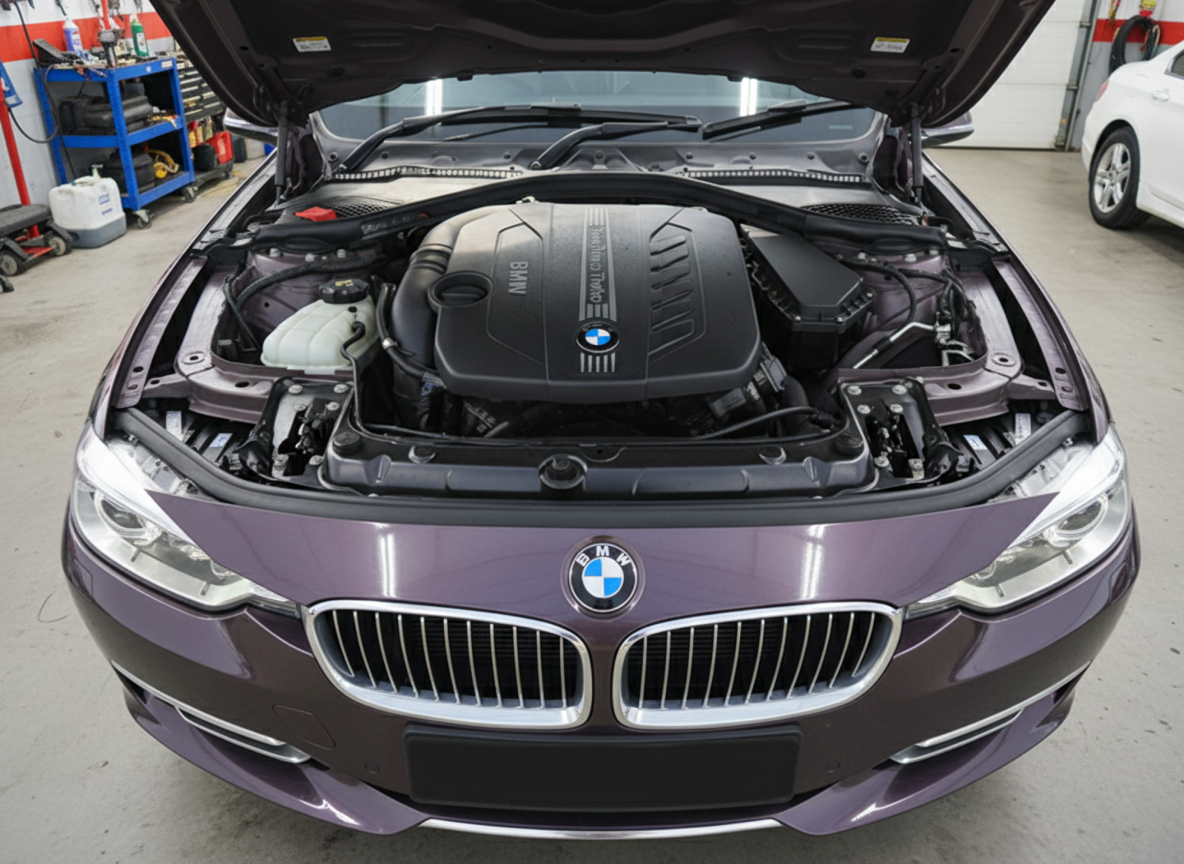
One of the most famous designs used by BMW is the inline engine. These engines arrange cylinders in a straight line, providing smooth operation and balanced performance.
Inline-four engines are commonly used in compact BMW models because they are lightweight and fuel efficient. Inline-six engines, however, are considered the brand’s signature configuration. They offer excellent power delivery and smooth acceleration, making them ideal for sports sedans and luxury vehicles.
V-Type Engines
BMW also produces V-type engines, including V6 and V8 configurations. These engines have cylinders arranged in two banks that form a V shape.
V-type engines allow for greater power output while maintaining a compact design. High-performance BMW models often use V8 engines because they provide strong acceleration and impressive horsepower.
Diesel Engines
In many global markets, BMW diesel engines are highly popular due to their fuel efficiency and torque. Diesel engines are especially suitable for long-distance driving because they consume less fuel while providing strong pulling power.
BMW has developed advanced diesel technology that reduces noise and emissions, making these engines both efficient and environmentally responsible.
TwinPower Turbo Technology
One of the most important innovations introduced by BMW is TwinPower Turbo technology. This system improves engine performance by increasing air intake through turbocharging.
The technology allows smaller engines to produce the power of larger engines while using less fuel. TwinPower Turbo systems also improve throttle response, meaning the engine reacts quickly when the driver presses the accelerator.
By combining turbocharging with direct fuel injection and variable valve timing, BMW achieves an ideal balance between performance and efficiency.
EfficientDynamics: Improving Performance and Efficiency
BMW engine created the EfficientDynamics program to make engines more environmentally friendly without sacrificing driving performance.
This program includes several technologies designed to reduce fuel consumption and emissions. Some of the key features include automatic start-stop systems, regenerative braking, and lightweight engine components.
These innovations help BMW vehicles meet modern environmental standards while maintaining the powerful driving experience the brand is known for.
BMW M Performance Engines
High-performance BMW vehicles are developed by the BMW M GmbH division. These engines are engineered for maximum speed, power, and track-level performance.
M engines are built using advanced materials, improved cooling systems, and high-precision engineering. They often feature upgraded turbochargers, reinforced internal components, and specially tuned engine management systems.
These engines allow BMW M vehicles to accelerate rapidly and maintain high performance even under extreme driving conditions.
Hybrid and Electric Engine Technology
As the automotive industry moves toward sustainability, BMW has invested heavily in hybrid and electric engine technologies.
Hybrid engines combine traditional combustion engines with electric motors. This system reduces fuel consumption and lowers emissions while still delivering strong performance.
BMW has also introduced fully electric vehicles under the BMW i sub-brand. These vehicles use electric motors instead of traditional engines and are designed to provide quiet operation, instant torque, and zero exhaust emissions.
The development of electric technology demonstrates BMW’s commitment to future mobility and environmental responsibility.
Reliability and Maintenance
BMW engines are known for their durability when properly maintained. Regular servicing, including oil changes, filter replacements, and cooling system checks, helps ensure long engine life.
Modern BMW engines are equipped with advanced diagnostic systems that monitor engine performance and alert drivers if maintenance is required. These systems help prevent serious mechanical problems and keep the engine operating efficiently.
Using high-quality fuel and recommended engine oil is also essential for maintaining optimal performance.
Performance and Driving Experience
The design philosophy behind BMW engines focuses heavily on the driving experience. Engineers aim to deliver smooth acceleration, balanced power distribution, and responsive throttle control.
Many BMW engines are positioned longitudinally in the vehicle, which contributes to balanced weight distribution. This design improves handling and stability, making BMW vehicles enjoyable to drive on both city roads and highways.
The combination of powerful engines and precise engineering gives drivers confidence and control behind the wheel.
Future of BMW Engine Technology
The future of BMW engine development will focus on sustainability, electrification, and advanced efficiency technologies. While traditional combustion engines will continue to evolve, electric and hybrid powertrains will play an increasingly important role.
BMW is researching new battery technologies, improved energy management systems, and innovative engine designs that reduce environmental impact. The company aims to combine its long history of engineering excellence with modern solutions for cleaner transportation.



 French
 Indian
 English
 Arabic
 Spanish
 Portuguese
 Deutsch
 Turkish
 Dutch
Dutch
 Italiano
 Russian
 Romaian
 Portuguese (Brazil)
 Greek
Greek
