


Fillers in Dubai: A Complete Medical Guide to Facial Volume
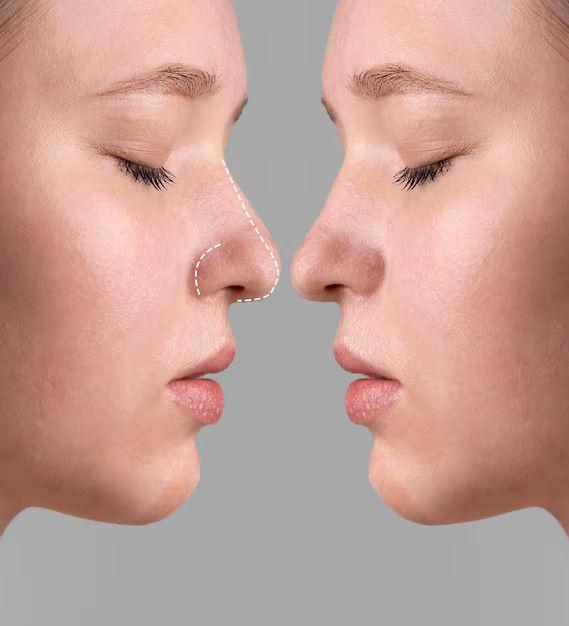
The quest for a refreshed and youthful appearance often leads patients to explore non-surgical options that provide immediate yet natural-looking results. In the fast-paced medical landscape of the UAE, Fillers in Dubai have emerged as a cornerstone of aesthetic medicine, offering a versatile solution for those looking to address volume loss without the downtime associated with surgery. This guide provides a clinical deep dive into what these treatments entail and what you should expect from a professional perspective.
Understanding the Anatomy of Dermal Fillers
At its core, the treatment involves the strategic injection of gel-like substances beneath the skin's surface. These substances are designed to mimic the body's natural scaffolding, providing support where fat pads have diminished or bone density has shifted over time. Most modern formulations utilize Hyaluronic Acid (HA), a molecule naturally found in the human body that excels at retaining moisture and adding structural integrity.
In our clinical experience, the success of the procedure depends heavily on the "rheology" of the product—essentially how the gel flows and resists deformation. Different areas of the face require different types of HA density. For instance, a firmer gel is used to mimic bone along the jawline, while a softer, more cohesive gel is preferred for mobile areas like the lips to ensure natural movement during speech and expressions.
How Fillers in Dubai Restore Facial Structure
The mechanism of action is both physical and biological. Physically, the gel occupies space immediately, lifting the overlying skin and smoothing out folds or deep wrinkles. Biologically, the presence of the filler can stimulate the skin's fibroblasts. These cells are responsible for producing collagen, meaning that over time, the skin may see a secondary benefit of improved texture and firmness.
The process of integration is gradual. Once injected, the filler integrates with the surrounding tissue, settling into the desired contours over the first few days. What patients typically report during recovery is a slight "firmness" that eventually softens into a feel that is indistinguishable from natural tissue. This integration is why choosing a high-quality, biocompatible product is essential for safety and longevity.
The Clinical Purpose of Volume Restoration
Why do we use these injectables? The primary goal is often "facial harmonization." As we age, the "inverted triangle of youth"—characterized by high cheekbones and a narrow chin—tends to flip. Gravity and volume loss lead to a heavier lower face and hollower mid-face.
By replenishing lost volume, we can restore those youthful proportions. Beyond anti-aging, these treatments are also used for corrective purposes, such as addressing facial asymmetry or enhancing features that a patient feels are under-projected. The medical objective is never to "change" how a person looks, but rather to optimize their existing features for a more balanced aesthetic.
Key Benefits of Hyaluronic Acid Fillers
Choosing this route offers several distinct advantages over more invasive alternatives:
-
Immediate Visibility: Results are visible as soon as the session is complete.
-
Zero General Anesthesia: The procedure is performed while the patient is awake, using local numbing agents.
-
Reversibility: HA-based fillers can be dissolved using a specialized enzyme if adjustments are needed.
-
Customizable Results: Treatments are tailored to the individual’s specific bone structure and skin quality.
Identifying the Right Candidate
Most healthy adults who are concerned about fine lines, deep creases, or a lack of facial volume are suitable candidates. However, a medical consultation is paramount. We look for patients with realistic expectations who are looking for subtle enhancement rather than a total transformation.
Contraindications include active skin infections in the target area, certain autoimmune conditions, or known allergies to filler components or lidocaine. During the assessment, your clinical history is reviewed to ensure the treatment aligns with your overall health profile.
The Step-by-Step Treatment Protocol
The procedure is streamlined but requires high clinical precision. First, the face is mapped out to identify the exact injection points that will yield the most symmetrical result. The skin is then thoroughly cleansed with a medical-grade antiseptic.
Next, a topical numbing cream or a local anesthetic block is applied to ensure comfort. Using either a fine needle or a blunt-tipped cannula—which we often prefer for its ability to reduce bruising—the filler is precisely placed into the target layers. The entire process usually takes between 30 to 45 minutes, making it an ideal "lunchtime" procedure for busy professionals.
Common Targets for Fillers in Dubai
| Target Area | Primary Goal |
| Cheeks | Lifting the mid-face and restoring the "apple" of the cheek. |
| Nasolabial Folds | Softening the lines that run from the nose to the mouth. |
| Jawline & Chin | Defining the lower face and improving the profile. |
| Under-Eyes | Correcting the "tear trough" hollows that cause a tired look. |
| Lips | Adding hydration, border definition, or volume. |
Navigating the Recovery Timeline
Recovery is generally mild. Within the first 24 to 48 hours, some swelling and redness are expected—this is a normal inflammatory response as the tissue adjusts. Minor bruising may occur, particularly in vascular areas like the lips or under-eyes.
By day five, most of the initial swelling has subsided, and the filler begins to "soften." By the end of two weeks, the product has fully integrated, and the final result is established. We typically schedule a follow-up appointment at this stage to ensure the symmetry is perfect and the patient is satisfied.
Safety Standards and Potential Side Effects
While considered safe when performed by a qualified medical professional, no procedure is without risk. Common side effects include temporary tenderness or itching at the injection site. More rare but serious complications, such as vascular occlusion (where filler enters a blood vessel), require immediate medical intervention with dissolving agents. This is why undergoing Fillers in Dubai in a licensed clinical setting rather than a salon is non-negotiable for patient safety.
Long-Term Maintenance and Results
The longevity of the treatment varies depending on the product used and the area treated. On average, results last between 6 to 18 months. Areas with high movement, like the lips, tend to break down the filler faster than static areas like the cheeks.
To maintain your look, we recommend a "maintenance" schedule rather than waiting for the filler to disappear completely. Staying hydrated and practicing diligent sun protection also helps preserve the HA gel and the health of the overlying skin.
Conclusion
Embarking on a journey toward facial rejuvenation is a personal decision that deserves professional guidance. It is natural to have questions about how these treatments will fit into your lifestyle or how they will interact with your unique anatomy. By prioritizing clinical expertise and high-quality products, you can achieve a look that feels both refreshed and authentically you. Learn if this treatment is right for your lifestyle by consulting with the experts at Tajmeels Clinic.
- Digital Agency
- Literie
- Location de voitures
- Restaurant
- Restaurant
- Mode
- Mode
- Information
- Marketing
- Tourisme
- Développement
- Découverte
- Législation
- Gastronomie
- Pâtisserie
- Evento
- Art
- Causes
- Crafts
- Dance
- Drinks
- Film
- Fitness
- Food
- Giochi
- Gardening
- Health
- Home
- Literature
- Music
- Networking
- Altre informazioni
- Party
- Religion
- Shopping
- Sports
- Theater
- Wellness
 Italiano
 Indian
 English
 French
 Arabic
 Spanish
 Portuguese
 Deutsch
 Turkish
 Dutch
Dutch
 Russian
 Romaian
 Portuguese (Brazil)
 Greek
Greek
