


How to Select the Best High Temperature Liquid Flow Meter
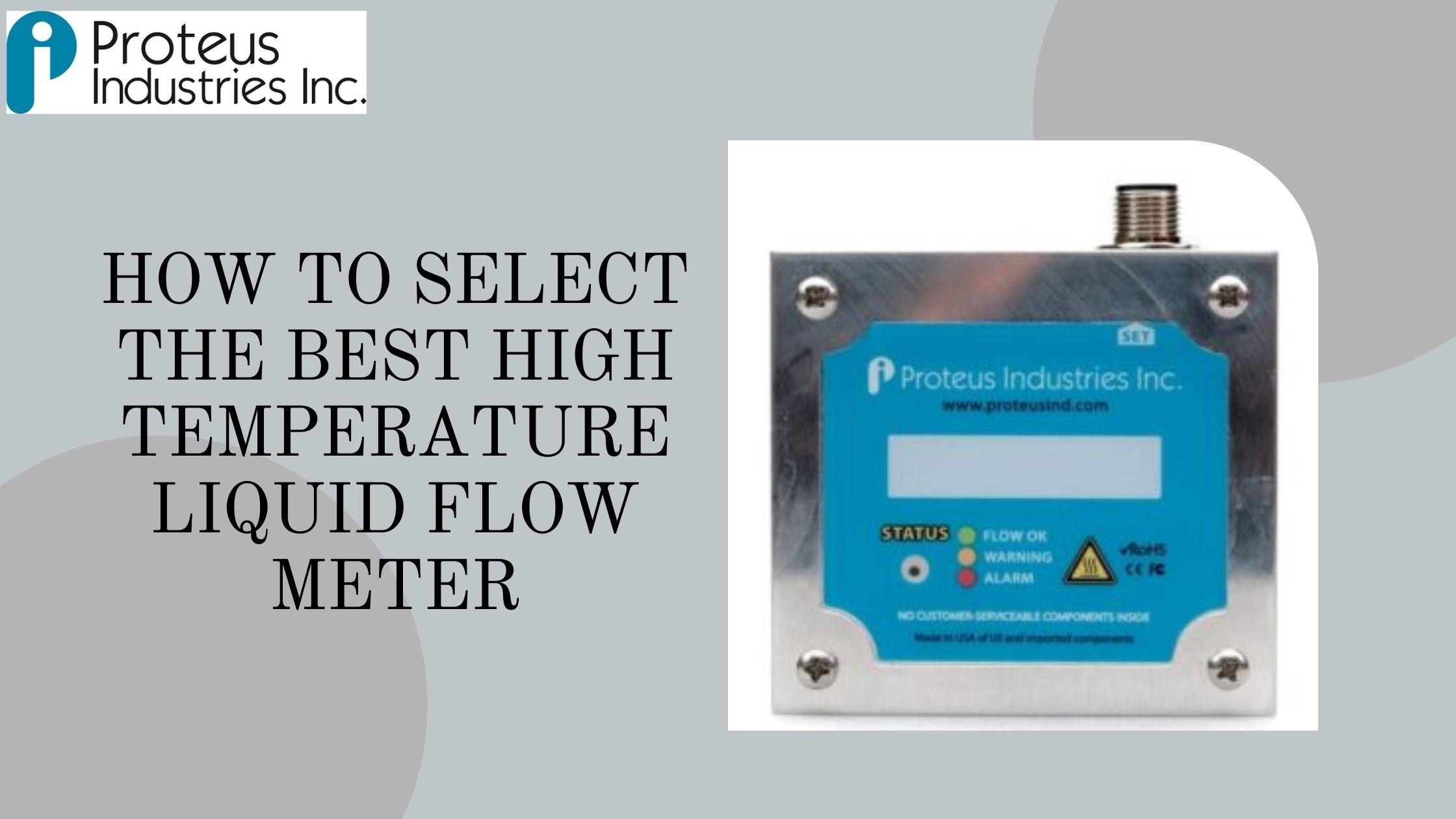
Selecting the right flow measurement device starts with a deep understanding of your specific application requirements. Every industrial system operates under unique conditions, including varying temperature ranges, flow rates, fluid properties, and environmental factors. In processes involving elevated heat, choosing equipment that can withstand extreme thermal stress is critical. A high temperature liquid flow meter is specifically engineered to perform reliably in such demanding environments without compromising accuracy or safety.
Before making a purchase decision, it is essential to define whether your system requires continuous flow monitoring, safety shutoff mechanisms, or integration with automated control systems. Identifying factors such as maximum operating temperature, expected flow range, and the nature of the liquid being measured helps narrow down the best solution. A clear evaluation at this stage reduces the risk of performance issues, unplanned downtime, or costly equipment replacement later.
Evaluate Temperature and Pressure Ratings
In high-heat industrial systems, temperature and pressure ratings are among the most critical selection criteria. Flow meters used in boiler systems, heat exchangers, chemical processing units, and thermal oil circuits must withstand sustained exposure to elevated temperatures. Choosing a device that operates near its maximum rating can lead to early wear, measurement drift, or sudden failure.
It is recommended to select equipment with temperature and pressure tolerances that exceed your system’s peak operating conditions. This safety margin ensures stable and long-lasting performance. Additionally, consider the possibility of thermal spikes or pressure surges during startup or shutdown. A properly rated flow meter not only protects the measurement system but also enhances overall operational safety.
Check Material Compatibility and Durability
Material selection plays a major role in ensuring long-term reliability. High-temperature liquids can be corrosive, chemically reactive, or abrasive. If internal components are not made from compatible materials, they may degrade over time, leading to inaccurate readings or fluid contamination. Stainless steel, high-grade alloys, and specialized engineered polymers are commonly used in demanding thermal environments.
Durability also involves external protection. Industrial settings often expose equipment to vibration, moisture, dust, and radiant heat. A robust housing design safeguards sensitive electronic components from environmental damage. By prioritizing material strength and resistance, businesses can significantly extend equipment lifespan while minimizing maintenance requirements.
Compare Flow Measurement Technologies
Different flow measurement technologies are available, each offering specific advantages. Turbine flow meters are known for their precision in clean liquid systems, while electromagnetic flow meters perform exceptionally well with conductive fluids. Ultrasonic flow meters provide non-intrusive measurement options, and thermal mass meters can handle certain specialized applications.
When selecting a device for high-temperature use, it is important to evaluate how each technology responds to heat exposure. Some designs include minimal moving parts, reducing wear in extreme conditions. Others are optimized for steady-state thermal systems. Comparing available technologies ensures that the chosen solution aligns with both the physical and operational requirements of your process.
Assess Accuracy, Response Time, and Output Options
Accuracy directly impacts production quality and system efficiency. In industries such as semiconductor manufacturing, laser cooling, and automotive testing, even minor flow variations can lead to performance inconsistencies. Reviewing manufacturer calibration standards and stated accuracy percentages helps ensure the meter meets your operational expectations.
Response time is another important consideration, particularly in systems where flow conditions change rapidly. A fast-responding meter allows operators to detect fluctuations quickly and make adjustments before issues escalate. Additionally, evaluate output options such as analog signals, digital communication protocols, or relay outputs. These features enable seamless integration into PLCs, SCADA systems, and other automated control platforms.
Consider Installation, Maintenance, and System Integration
Ease of installation can significantly influence overall project costs. Some flow meters require long straight pipe runs to maintain measurement accuracy, while others are designed for compact or space-restricted installations. Understanding mounting requirements, pipe size compatibility, and electrical connections in advance helps avoid unexpected modifications.
Maintenance requirements should also be carefully reviewed. Flow meters with fewer moving parts generally offer longer service intervals and reduced wear. Accessible designs that allow for simple inspection and cleaning minimize downtime. Ensuring compatibility with the existing system architecture further simplifies integration and enhances long-term performance.
Our High Temperature Liquid Flow Meter Solutions
We provide advanced flow measurement solutions specifically engineered for demanding high-temperature environments. Our products are designed to deliver precise, real-time monitoring while maintaining durability under extreme thermal stress. With customizable configurations, we help businesses find solutions tailored to their exact operational parameters.
Our focus is on reliability, innovation, and consistent performance. Each device undergoes rigorous quality testing to ensure dependable operation in critical applications. From initial consultation to technical support, we are committed to helping customers achieve accurate and efficient flow control in challenging industrial settings.
Conclusion: Making the Right High Temperature Liquid Flow Meter Choice
Selecting the best flow meter for high-temperature applications requires a balanced evaluation of temperature ratings, material durability, measurement technology, and system compatibility. Taking the time to carefully assess these factors ensures that your investment supports a safe, accurate, and efficient operation.
By prioritizing quality, performance, and long-term reliability, businesses can confidently choose a solution that meets both present and future demands. The right flow meter not only enhances process control but also reduces maintenance costs and operational risks, contributing to sustainable industrial success.
- Digital Agency
- Literie
- Location de voitures
- Restaurant
- Restaurant
- Mode
- Mode
- Information
- Marketing
- Tourisme
- Développement
- Découverte
- Législation
- Gastronomie
- Pâtisserie
- Evenement
- Art
- Causes
- Crafts
- Dance
- Drinks
- Film
- Fitness
- Food
- Jeux
- Gardening
- Health
- Domicile
- Literature
- Music
- Networking
- Autre
- Party
- Religion
- Shopping
- Sports
- Theater
- Wellness
 French
 Indian
 English
 Arabic
 Spanish
 Portuguese
 Deutsch
 Turkish
 Dutch
Dutch
 Italiano
 Russian
 Romaian
 Portuguese (Brazil)
 Greek
Greek
