


How Orthodontists Predict Tooth Movement Before Braces
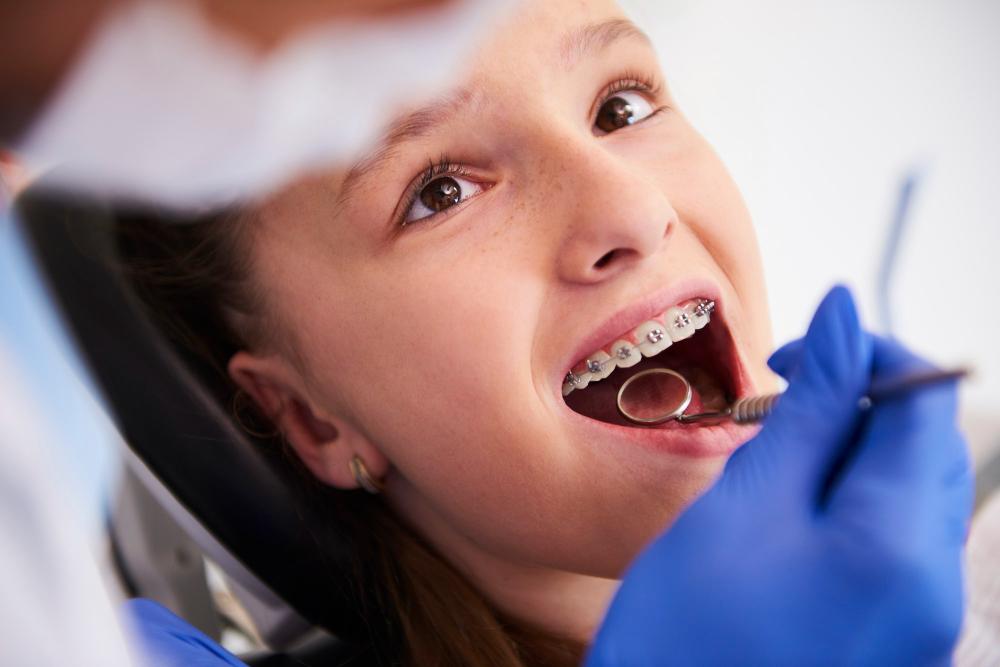
How Orthodontists Predict Tooth Movement Before Braces
Orthodontic treatment is about science, precision, and planning. Before braces are placed, an orthodontist must accurately predict how the teeth will move. This ensures efficient treatment and optimal results. But how exactly do orthodontists forecast tooth movement? What tools and techniques do they use to plan your smile transformation?
In this guide, we explain the process in detail. Our goal is to give you a clear understanding of how tooth movement is predicted and why it matters for your braces treatment.
Visit Now: https://www.diagnopein.com/dental-clinic/Mumbai
Why Predicting Tooth Movement Matters
Every mouth is unique. Teeth, bone structure, bite alignment, and facial proportions vary from person to person. When planning braces, orthodontists need to predict how teeth will respond to forces applied by wires and brackets.
Accurate prediction helps:
- Create a personalized treatment plan
- Reduce treatment time
- Minimize discomfort during adjustments
- Improve final results
- Avoid unwanted tooth movements
Without careful prediction, a treatment plan may be less effective. This can lead to prolonged treatment and compromised outcomes.
Initial Assessment: The Starting Point
The prediction process begins with a thorough evaluation. During the first visit, the orthodontist will:
- Examine the teeth and gums
- Check bite alignment
- Review dental history
- Understand aesthetic goals
These observations build the foundation for analyzing how teeth might move with braces.
Diagnostic Records: Digital and Physical Tools
Diagnostic records are critical. They provide measurable data that orthodontists use to visualize and predict tooth movement.
- Photographs
Clear photos of the teeth and face are taken from different angles. This helps track symmetry, spacing, crowding, and smile lines. Photographs serve as a visual baseline.
- X-rays
X-rays allow the orthodontist to see bone structure, tooth roots, and alignment beneath the gum line. Two common X-ray types used are:
- Panoramic X-rays: Show all teeth and jaws in a single image.
- Cephalometric X-rays: Measure jaw and skull relationships.
These are essential for evaluating how teeth are positioned and how they might shift with treatment.
- Digital Scans and Impressions
Orthodontists now use digital scanners instead of traditional molds. These scanners capture precise 3D models of your teeth. This data is stored digitally and used to simulate tooth movement.
Digital models are more accurate and comfortable. They allow orthodontists to rotate, zoom, and measure every tooth in detail.
Cephalometric Analysis: The Science of Prediction
Cephalometric analysis is one of the most important predictive tools in orthodontics. It involves measuring angles and distances in the skull and dental arches.
Using specialized software, orthodontists can:
- Predict how teeth will move
- Assess jaw growth patterns
- Determine how braces will affect facial proportions
Measurements from cephalometric analysis guide treatment planning and biomechanics. They help orthodontists choose the right force levels and bracket placement to achieve the desired movement.
Treatment Simulation: Virtual Planning
Modern orthodontics leverages advanced software to simulate tooth movement. These simulations are based on 3D scans and growth prediction algorithms.
Simulations show:
- Tooth movement stage by stage
- Expected final alignment
- How bite changes over time
This allows both the orthodontist and the patient to visualize the treatment path before braces are placed.
Simulation tools also help identify potential challenges, such as:
- Teeth that may be resistant to movement
- Need for tooth extractions
- Jaw discrepancies requiring additional treatment
By adjusting the plan virtually, orthodontists can optimize results before actual treatment begins.
Biomechanics: Understanding Tooth Movement Forces
Teeth do not move randomly. They respond to controlled forces applied by orthodontic appliances.
Orthodontists use their understanding of biomechanics to predict how teeth will shift. This includes knowing:
- How tooth roots move through bone
- How bone remodels in response to pressure
- How brackets and wires exert force
For example, applying light, continuous force encourages bone remodeling. This allows teeth to move with minimal discomfort and better stability.
Orthodontists select wire types, bracket positions, and force levels based on the prediction of how each tooth will respond.
Growth and Age Considerations
Predicting tooth movement also involves understanding growth patterns. Children and teens are still growing, which can influence treatment.
In growing patients, orthodontists consider:
- Jaw growth direction
- Timing of growth spurts
- Tooth eruption patterns
For adults, the bone is more stable. This can affect the speed of movement and the type of forces used.
Accurate prediction accounts for these age-related factors to improve treatment outcomes.
Monitoring and Adjusting During Treatment
Prediction does not stop when braces are placed. The orthodontist continually monitors progress through follow-up visits.
At each appointment, they:
- Assess tooth movement
- Adjust wires
- Modify brackets if needed
This feedback loop ensures that predictions remain accurate and treatment stays on track.
If a tooth is not moving as expected, adjustments are made to maintain efficiency and effectiveness.
Benefits of Accurate Tooth Movement Prediction
When tooth movement is correctly predicted, patients benefit in several ways:
- Shorter overall treatment time
- Fewer emergency visits
- More comfortable adjustments
- Higher likelihood of achieving aesthetic goals
- Improved bite and function
Accurate planning also reduces the risk of relapse—teeth shifting back after braces are removed.
Common Questions About Predicting Tooth Movement
Will braces move all my teeth at the same time?
Not always. Orthodontists often sequence tooth movement. Some teeth may be moved early, while others wait until spaces are created.
Can predictions change during treatment?
Yes. As your teeth respond, orthodontists may refine the plan for optimal outcomes.
Is digital prediction better than traditional methods?
Digital predictions are more precise and easier to visualize. However, clinical expertise remains essential.
Conclusion
Predicting tooth movement before braces is a blend of art and science. Orthodontists use clinical exams, radiographs, digital scans, cephalometric analysis, and simulation software to forecast how teeth will respond. This detailed planning ensures effective, efficient, and comfortable treatment.
Understanding this process can help patients feel confident and informed before starting orthodontic care.
If you are considering braces, talk to an experienced orthodontist who uses advanced diagnostic tools. Their expertise in predicting tooth movement will shape your treatment success and help you achieve a healthy, confident smile.
- Digital Agency
- Literie
- Location de voitures
- Restaurant
- Restaurant
- Mode
- Mode
- Information
- Marketing
- Tourisme
- Développement
- Découverte
- Législation
- Gastronomie
- Pâtisserie
- Veranstaltung
- Art
- Causes
- Crafts
- Dance
- Drinks
- Film
- Fitness
- Food
- Spiele
- Gardening
- Health
- Startseite
- Literature
- Music
- Networking
- Andere
- Party
- Religion
- Shopping
- Sports
- Theater
- Wellness
 Deutsch
 Indian
 English
 French
 Arabic
 Spanish
 Portuguese
 Turkish
 Dutch
Dutch
 Italiano
 Russian
 Romaian
 Portuguese (Brazil)
 Greek
Greek
