


Tips for Preventing Overheating in Electric Dryers
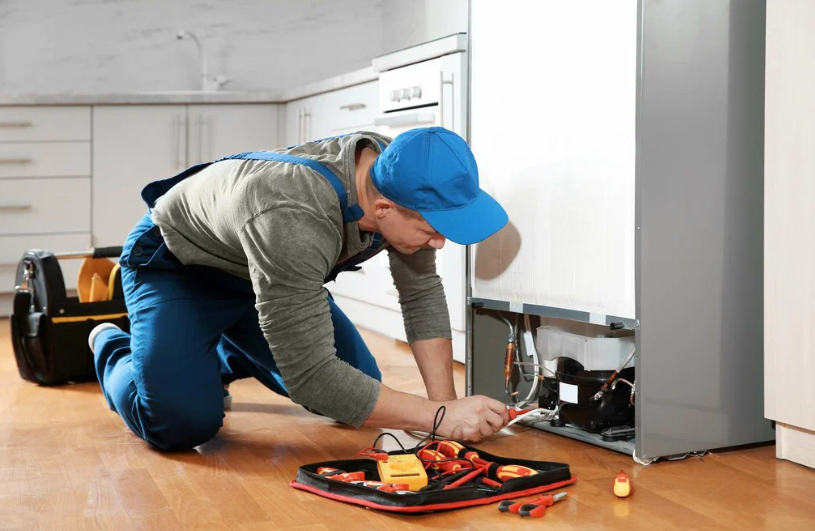
Electric dryers are among the most frequently used home appliances, making laundry tasks faster and more convenient. However, like any appliance that relies on heat, they require proper care to prevent issues such as overheating. Overheating not only affects performance but also increases the risk of fires and long-term damage. Many homeowners turn to professional Appliance Repair in Fort Lauderdale, FL when problems arise, but with the right preventive steps, you can reduce the chances of your dryer overheating and extend its lifespan. Below are essential tips every homeowner should follow to maintain their electric dryer safely and efficiently.
Clean the Lint Filter After Every Load
One of the most common causes of dryer overheating is a clogged lint filter. When lint collects in the screen, it restricts airflow, causing the dryer to work harder and generate excess heat. Cleaning the lint trap after every load ensures smooth airflow and keeps the dryer operating efficiently. This simple habit also helps clothes dry faster and reduces energy consumption. In addition, periodically wash the lint filter with warm water and soap to remove residue from fabric softeners that may stick to the mesh.
Inspect and Clean the Dryer Vent Regularly
While cleaning the lint filter is important, the dryer vent is even more critical. Over time, lint can accumulate in the vent hose or duct, causing severe airflow blockages. A clogged vent not only leads to overheating but is also one of the main reasons for dryer fires. Experts recommend inspecting the vent every six months and cleaning it at least once a year. Signs of a clogged vent include longer drying times, the dryer feeling unusually hot on the outside, and a burning smell during operation. You can clean the vent yourself using a vent cleaning kit, or hire a professional technician for a thorough service.
Avoid Overloading the Dryer
It may seem efficient to wash and dry large loads to save time, but overloading your dryer can do more harm than good. When the drum is packed with clothes, proper air circulation becomes impossible. As a result, the dryer works harder trying to push heated air through the load, which leads to overheating. To prevent this, follow the recommended load size in your dryer’s manual. Properly sized loads not only dry more evenly but also help maintain appliance longevity.
Check the Dryer Drum and Seals
Worn-out drum seals can allow heated air to escape into other parts of the dryer, causing internal components to overheat. If you notice unusual noises, air leaks, or uneven drying, damaged seals may be the culprit. It is best to have these inspected by a qualified technician to ensure they are replaced correctly and safely. Proper sealing ensures the dryer heats efficiently and reduces the risk of overheating.
Ensure Proper Dryer Placement
The location of your dryer plays a significant role in its performance. A dryer that is pushed too closely against the wall can reduce airflow through the vent hose. Always ensure there is enough space behind the dryer for ventilation. Additionally, avoid placing the dryer in areas with poor air circulation, such as tight closets without ventilation openings. Adequate room and ventilation help maintain normal operating temperature and prevent overheating.
Monitor the Heating Element
The heating element is responsible for generating the heat needed to dry clothes. If it becomes faulty, damaged, or coated in lint, it can cause temperatures inside the dryer to rise beyond safe levels. A malfunctioning heating element may cause clothes to scorch or produce a burning smell. If you suspect an issue, stop using the dryer immediately and contact a technician. Regular inspections can help catch heating element problems early before they lead to overheating or fire hazards.
Use the Appropriate Settings
Many people overuse high-heat settings, assuming it dries clothes faster. However, using high heat unnecessarily can lead to overheating and damage delicate fabrics. Instead, choose the right heat level for the type of clothing you are drying. For everyday clothes, medium or low heat often works best. Using the right settings protects both your dryer and your garments.
Clean the Dryer Interior
Lint and dust can accumulate inside the dryer cabinet over time, including around the motor, belts, and heating element. This buildup restricts airflow and raises the risk of overheating. Cleaning the interior is a task best handled by a professional, as it involves opening the dryer cabinet. A technician can inspect internal components, remove lint buildup, and ensure everything is functioning safely.
Check the Vent Hose Material
Not all vent hoses are safe for long-term dryer use. Plastic or foil accordion-style hoses can trap lint and are more prone to overheating. The safest option is a rigid or semi-rigid metal vent duct, which allows better airflow and reduces fire risk. If your dryer still uses a flexible plastic vent hose, consider replacing it with a safer alternative.
Schedule Annual Professional Maintenance
Even if you maintain your dryer regularly, an annual professional inspection can catch issues you might overlook. A skilled technician can assess all components, test airflow, clean internal areas, and verify that the dryer is operating safely. Homeowners often rely on trusted Appliance Repair in Fort Lauderdale, FL to perform this yearly maintenance and keep their appliances running efficiently.
Conclusion
Preventing your electric dryer from overheating is essential for safety, efficiency, and longevity. Simple steps like cleaning the lint filter, inspecting vents, avoiding overloads, and scheduling annual maintenance can significantly reduce the risk of overheating. By following these preventive tips, you can ensure your dryer performs at its best while minimizing potential hazards.
- Digital Agency
- Literie
- Location de voitures
- Restaurant
- Restaurant
- Mode
- Mode
- Information
- Marketing
- Tourisme
- Développement
- Découverte
- Législation
- Gastronomie
- Pâtisserie
- Etkinlik
- Art
- Causes
- Crafts
- Dance
- Drinks
- Film
- Fitness
- Food
- Oyunlar
- Gardening
- Health
- Ana sayfa
- Literature
- Music
- Networking
- diğer
- Party
- Religion
- Shopping
- Sports
- Theater
- Wellness
 Turkish
 Indian
 English
 French
 Arabic
 Spanish
 Portuguese
 Deutsch
 Dutch
Dutch
 Italiano
 Russian
 Romaian
 Portuguese (Brazil)
 Greek
Greek
