


Electrical Safety Checks Made Simple: A Local Guide for Bethnal Green Properties
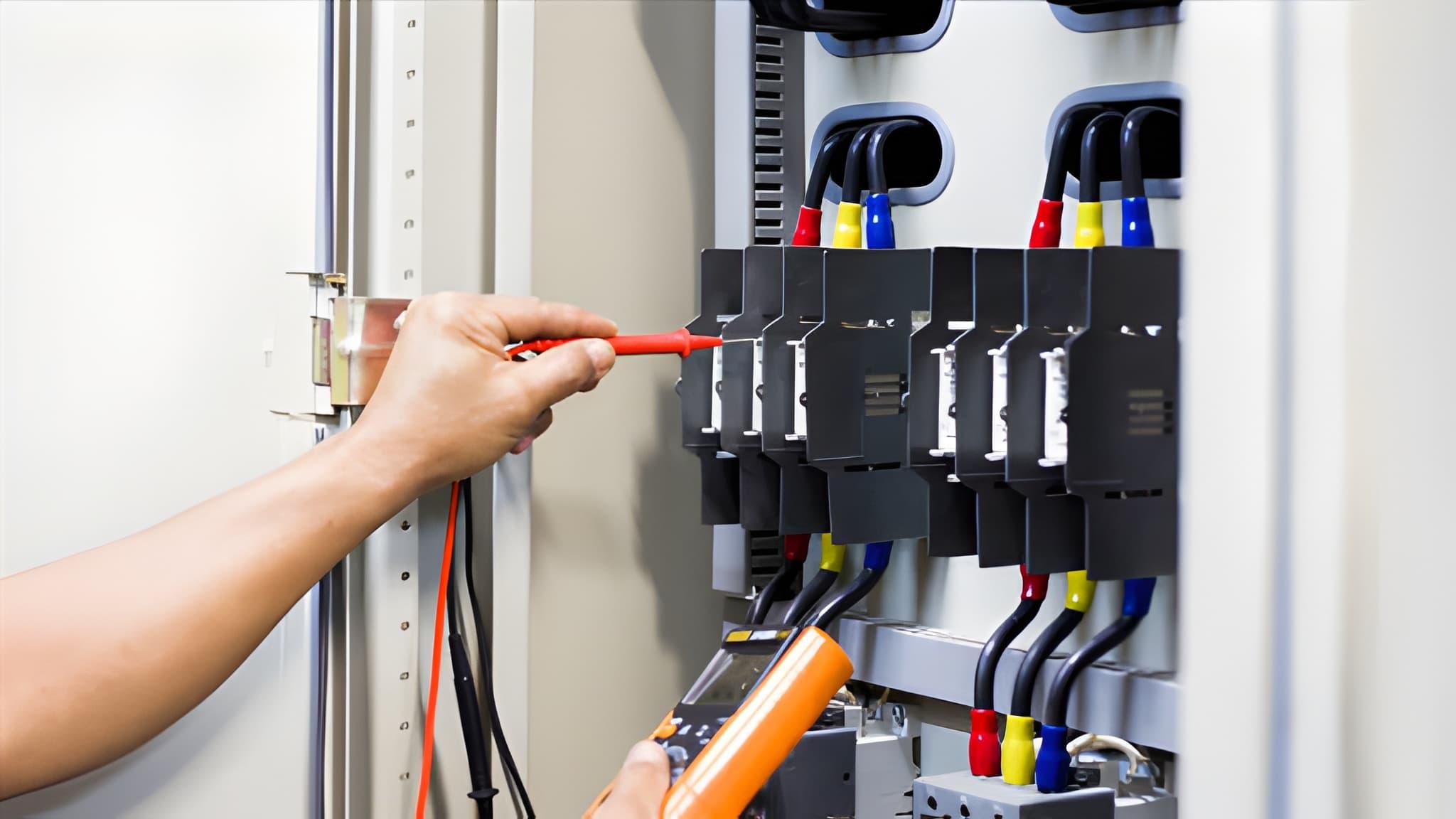
When you own or manage a property in Bethnal Green, electrical safety isn’t just a legal box to tick—it’s a real responsibility to protect people and assets. Whether you’re a landlord renting out a flat, a homeowner planning renovations, or a business owner operating from a commercial unit, understanding how electrical inspections work can save you from future headaches, fines, or even dangerous accidents.
What an Electrical Inspection Report Actually Is
An Electrical Installation Condition Report (EICR) is a professional assessment of a building’s fixed electrical systems. It checks wiring, fuse boards, sockets, switches, and other core components to make sure they meet current safety standards.
Think of it like an MOT for your property’s electrics. Just as a car test spots worn brakes or faulty lights, an EICR highlights risks such as:
-
Overloaded circuits
-
Damaged or outdated wiring
-
Missing earthing or bonding
-
Fire hazards caused by loose connections
The aim isn’t to criticise your property—it’s to make it safer and more reliable.
Why This Matters Specifically in Bethnal Green
Bethnal Green has a diverse mix of housing styles, from Victorian terraces to post-war council flats and modern apartment blocks. Each type comes with its own electrical challenges.
For example:
-
Older homes may still use rubber or cloth-insulated wiring that deteriorates over time.
-
Converted flats sometimes have DIY electrical additions that don’t meet modern standards.
-
Newer builds can still suffer from rushed installations or overloaded consumer units.
That’s why arranging an EICR in Bethnal Green isn’t just about compliance—it’s about understanding the unique risks tied to the local housing stock.
Who Needs an EICR and When?
Not everyone has the same legal obligations, but everyone benefits from regular inspections.
Landlords
If you rent out a property, you’re legally required to have a valid electrical report. It must be renewed every five years or sooner if recommended. New tenants must be given a copy before moving in.
Homeowners
There’s no legal requirement, but it’s strongly recommended every 10 years—or every 5 years for older properties. It’s also smart to book one before buying or selling a home.
Business Owners
Commercial properties usually need inspections every 3 to 5 years, depending on usage and risk level.
In short, if people live or work in your building, an EICR in Bethnal Green is a wise investment.
What Happens During the Inspection?
An electrical inspection is detailed but straightforward. A qualified electrician will:
-
Examine the consumer unit (fuse board)
-
Test sockets, switches, and lighting circuits
-
Check earthing and bonding
-
Look for signs of overheating, damage, or poor workmanship
Some testing requires temporarily switching off power, so it’s best to warn tenants or staff in advance.
The process typically takes:
-
2–4 hours for a small flat
-
4–6 hours for a house
-
Longer for large or complex properties
Afterwards, you’ll receive a written report listing any issues found.
Understanding the Report Codes (Without the Jargon)
EICR results are grouped into categories that show how urgent each issue is:
C1 – Immediate Danger
This means there’s a serious safety risk that needs fixing straight away, such as exposed live wires.
C2 – Potentially Dangerous
Not immediately life-threatening, but still unsafe. An example would be poor earthing or outdated fuse boards.
C3 – Improvement Recommended
Not dangerous right now, but upgrading would improve safety and compliance.
FI – Further Investigation
Something couldn’t be fully tested and needs more detailed checks.
If your report includes C1 or C2 issues, the property is considered “unsatisfactory” until repairs are completed.
Common Problems Found in Local Properties
Based on inspection trends in East London, several issues show up again and again:
-
Old-style fuse boxes without RCD protection
-
Overloaded socket circuits in converted flats
-
Poor-quality DIY electrical work
-
Inadequate bonding to gas or water pipes
-
Worn cables hidden behind walls or under floors
These problems aren’t always visible, which is why relying on visual checks alone is risky.
What It Really Costs (and What It Saves)
The cost of an inspection varies depending on property size and complexity, but it’s usually far less than people expect.
More importantly, it can save you money by:
-
Preventing electrical fires
-
Reducing insurance disputes
-
Avoiding fines for non-compliance
-
Catching small faults before they become major repairs
Many property owners see an EICR in Bethnal Green as a form of financial protection as much as a safety check.
Why Professional Experience Matters
Not all electrical inspections are created equal. A rushed or poorly conducted check can miss critical faults.
That’s why working with a trusted local provider like London Property Inspections makes a real difference. Their qualified engineers understand:
-
Local property layouts
-
Common wiring systems used in the area
-
Current safety regulations
-
How to explain technical findings in plain English
Instead of just handing over a report full of codes, they walk you through what everything means and what to do next.
What to Do After You Receive Your Report
Once your inspection is complete, you’ll need to take a few practical steps:
-
Review the findings carefully
-
Arrange repairs for any C1 or C2 issues
-
Keep records for legal or insurance purposes
-
Share the report with tenants if you’re a landlord
-
Book your next inspection based on the recommended timeframe
Staying organised now avoids stress later.
10. Final Thoughts: Safety, Compliance, and Peace of Mind
Electrical safety isn’t something you want to leave to chance. Whether you’re renting out a studio flat or managing a multi-unit building, a professional EICR in Bethnal Green helps you stay compliant, protect occupants, and maintain property value.
By choosing experienced professionals like London Property Inspections, you’re not just ticking a regulatory box—you’re making a smart, long-term investment in safety and reliability.
Frequently Asked Questions (FAQs)
1. How often should I book an EICR in Bethnal Green?
For rental properties, every 5 years is mandatory. Homeowners are advised to arrange one every 10 years or sooner if the property is old or recently renovated.
2. Will my power be turned off during the inspection?
Yes, briefly. Some tests require shutting down circuits for short periods, so it’s best to plan around this.
3. What if my report comes back unsatisfactory?
You’ll need to fix any urgent or potentially dangerous issues and then have those repairs confirmed by a qualified electrician.
4. Is an EICR the same as a PAT test?
No. An EICR checks the building’s fixed wiring, while PAT testing focuses on portable appliances like kettles or computers.
5. Can I use any electrician for this service?
It’s important to choose a properly qualified and registered professional. Many property owners in the area rely on London Property Inspections for dependable, compliant inspections.
- Digital Agency
- Literie
- Location de voitures
- Restaurant
- Restaurant
- Mode
- Mode
- Information
- Marketing
- Tourisme
- Développement
- Découverte
- Législation
- Gastronomie
- Pâtisserie
- Eveniment
- Art
- Causes
- Crafts
- Dance
- Drinks
- Film
- Fitness
- Food
- Jocuri
- Gardening
- Health
- Acasă
- Literature
- Music
- Networking
- Alte
- Party
- Religion
- Shopping
- Sports
- Theater
- Wellness
 Romaian
 Indian
 English
 French
 Arabic
 Spanish
 Portuguese
 Deutsch
 Turkish
 Dutch
Dutch
 Italiano
 Russian
 Portuguese (Brazil)
 Greek
Greek
