


Physical Therapy Techniques for Cerebral Palsy Treatment at Home
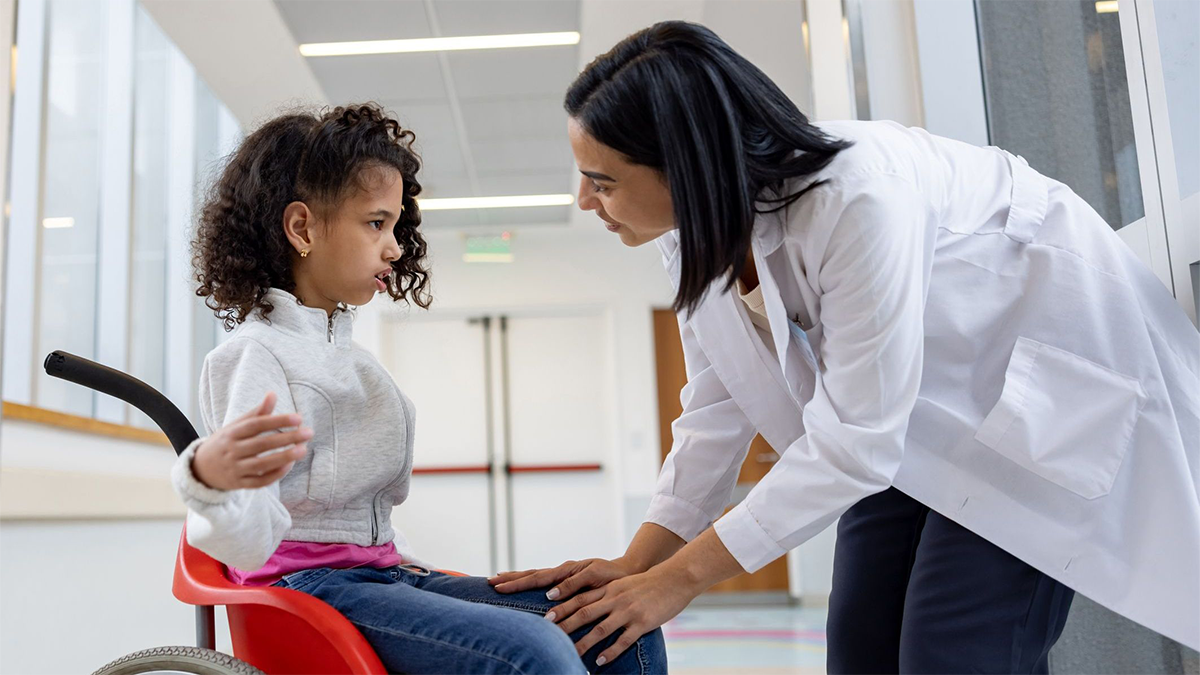
Caring for a child or adult with cerebral palsy can be challenging, but with the right approach, families can support improved mobility and overall well-being. Cerebral palsy treatment at home often focuses on physical therapy techniques that enhance muscle strength, flexibility, and coordination. These exercises and practices, when done consistently, can complement professional care and help individuals maintain independence in their daily activities.
Understanding Cerebral Palsy and Its Impact:
Cerebral palsy is a neurological disorder that affects movement, muscle tone, and posture. The condition varies in severity, making personalized care essential. Physical therapy is a cornerstone of management, aiming to improve motor skills, prevent contractures, and reduce discomfort. At-home techniques are particularly valuable because they allow patients to practice exercises in a familiar environment, fostering confidence and routine adherence.
Stretching Exercises for Flexibility:
Stretching helps prevent muscle stiffness and contractures, which are common in individuals with cerebral palsy. Simple daily stretches can maintain joint flexibility and improve overall mobility. Key methods include:
-
Gentle hamstring stretches while lying down
-
Calf stretches against a wall to improve ankle movement
-
Shoulder and arm stretches to enhance upper body flexibility
-
Neck and trunk rotations for improved posture and core strength
Consistency in stretching routines reduces discomfort and promotes smoother movements during daily activities.
Strengthening Techniques for Muscle Development:
Muscle weakness is a common challenge in cerebral palsy. Strengthening exercises can improve stability, coordination, and functional independence. Techniques suitable for home practice include:
-
Leg lifts while lying down to strengthen quadriceps and hip flexors
-
Resistance band exercises for arms and legs to build muscle tone
-
Squats or sit-to-stand exercises to enhance lower body strength
-
Core exercises like gentle seated twists or bridging to improve balance
Regular strengthening routines, performed under guidance initially, can significantly enhance overall mobility and reduce fatigue.
Balance and Coordination Activities:
Maintaining balance is crucial for reducing falls and improving daily functionality. At-home activities to enhance coordination include:
-
Standing on one leg with support to improve stability
-
Walking along a straight line marked on the floor
-
Gentle ball toss games to develop hand-eye coordination
-
Step-ups on low platforms to enhance leg strength and balance
Incorporating fun and interactive elements can make these exercises engaging, especially for children, while reinforcing motor skills.
Adaptive Equipment and Home Modifications:
Using adaptive tools can make physical therapy more effective and safer at home. Simple adjustments and supportive devices include:
-
Cushioned mats for floor exercises
-
Resistance bands or light weights for strengthening
-
Supportive chairs and grab bars for safe transitions
-
Foot splints or orthotic devices to maintain proper alignment
These tools help individuals perform exercises correctly and comfortably, minimizing the risk of injury while maximizing therapeutic benefits.
Encouraging Consistent Practice:
Consistency is key to seeing improvement in cerebral palsy treatment at home. Families can integrate exercises into daily routines by:
-
Setting aside specific times for stretching and strengthening
-
Using visual schedules or charts to track progress
-
Incorporating playful activities for children to maintain engagement
-
Celebrating small milestones to motivate continued effort
Regular practice reinforces muscle memory, reduces stiffness, and gradually improves coordination, contributing to a higher quality of life.
Monitoring Progress and Adjusting Techniques:
Tracking progress helps identify what works best and highlights areas needing extra attention. Strategies include:
-
Keeping a journal of daily exercises and physical achievements
-
Taking periodic photos or videos to observe improvements in posture and movement
-
Consulting with physical therapists remotely to adjust routines
-
Noting any pain or discomfort to avoid injury
Continuous monitoring ensures that home-based physical therapy remains effective and safe, allowing for timely modifications to optimize results.
Final Thoughts:
Home-based physical therapy techniques are a valuable component of cerebral palsy treatment. By combining stretching, strengthening, balance exercises, and adaptive tools, families can provide supportive care that complements professional therapy. Consistent practice, patience, and careful monitoring create an environment where individuals with cerebral palsy can achieve improved mobility, independence, and overall well-being.
- Digital Agency
- Literie
- Location de voitures
- Restaurant
- Restaurant
- Mode
- Mode
- Information
- Marketing
- Tourisme
- Développement
- Découverte
- Législation
- Gastronomie
- Pâtisserie
- Event
- Art
- Causes
- Crafts
- Dance
- Drinks
- Film
- Fitness
- Food
- Games
- Gardening
- Health
- Home
- Literature
- Music
- Networking
- Other
- Party
- Religion
- Shopping
- Sports
- Theater
- Wellness
 English
 Indian
 French
 Arabic
 Spanish
 Portuguese
 Deutsch
 Turkish
 Dutch
Dutch
 Italiano
 Russian
 Romaian
 Portuguese (Brazil)
 Greek
Greek
