


Discover the Wonders of the Atlas Mountains
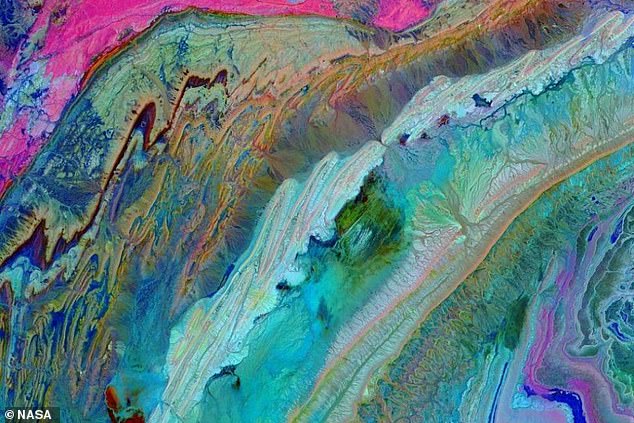
The Atlas Mountains stretch across Morocco, Algeria, and Tunisia, forming one of the most iconic mountain ranges in North Africa. Known for their dramatic peaks, scenic valleys, and rich cultural heritage, the Atlas Mountains attract hikers, adventure travelers, and culture enthusiasts alike.
This mountain range is divided into three main regions: the High Atlas, Middle Atlas, and Anti-Atlas, each offering unique experiences for visitors. Understanding these regions can help travelers plan safe and exciting trips.
Geography of the Atlas Mountains
High Atlas:
Home to Mount Toubkal, North Africa’s tallest peak, this region features rugged landscapes, challenging trails, and breathtaking panoramic views.
Middle Atlas:
Characterized by dense forests, lakes, and a cooler climate, it offers ideal conditions for hiking, wildlife spotting, and scenic photography.
Anti-Atlas:
With its rocky terrain and desert-like environment, this region provides dramatic landscapes and remote trekking opportunities.
Using maps and guides helps navigate these diverse terrains effectively.
Key Destinations in the Atlas Mountains
1. Mount Toubkal – A prime destination for climbers and trekkers seeking the highest peak in North Africa.
2. Imlil Village – A hub for trekkers, offering accommodations and access to various trails.
3. Ourika Valley – Known for waterfalls, traditional Berber villages, and lush scenery.
4. Aït Benhaddou – UNESCO World Heritage site with ancient kasbahs and cinematic history.
A detailed map of the region is essential for locating these landmarks and planning an itinerary.
Adventure and Trekking Opportunities
The Atlas Mountains are a paradise for adventure seekers. Popular activities include:
- Trekking and mountaineering
- Mountain biking across valleys and ridges
- Exploring remote Berber villages
- Nature photography
Professional trekking services like mttoubkaltrek provide guided tours, combining local knowledge with safety to ensure travelers enjoy the mountains to the fullest.
Cultural Significance
The Berber people have lived in the Atlas Mountains for centuries, shaping the landscape with terraced fields and villages on slopes. Exploring these areas reveals:
- Traditional architecture and customs
- Local markets and artisanal crafts
- Unique agricultural practices at high altitudes
Guides and maps allow travelers to understand both the culture and the geography of the region.
Best Time to Visit
- Spring (March–May): Mild weather, blooming landscapes
- Summer (June–August): Warm lower regions, cooler mountain areas
- Autumn (September–November): Clear skies and pleasant temperatures
- Winter (December–February): Snow-covered peaks, suitable for experienced climbers
Maps help identify suitable routes and seasonal trekking paths.
Hidden Gems
The Atlas Mountains hold many secluded valleys and lesser-known trails. With a reliable map, travelers can discover:
- Remote Berber villages
- Quiet trekking paths
- Scenic viewpoints far from crowds
These hidden spots offer a more peaceful and authentic experience.
Tips for Using Maps
- Carry both digital and physical maps
- Learn to read elevation lines and trail markers
- Mark key points like water sources and rest stops
- Check trail and weather conditions before starting
Combining maps with professional guidance ensures a safe and enjoyable journey.
Conclusion
The Atlas Mountains offer a perfect blend of adventure, natural beauty, and cultural richness. With proper planning, maps, and trekking guides like mttoubkaltrek, travelers can safely explore peaks, valleys, and remote villages, creating an unforgettable North African experience.
- Digital Agency
- Literie
- Location de voitures
- Restaurant
- Restaurant
- Mode
- Mode
- Information
- Marketing
- Tourisme
- Développement
- Découverte
- Législation
- Gastronomie
- Pâtisserie
- Event
- Art
- Causes
- Crafts
- Dance
- Drinks
- Film
- Fitness
- Food
- Games
- Gardening
- Health
- Home
- Literature
- Music
- Networking
- Other
- Party
- Religion
- Shopping
- Sports
- Theater
- Wellness
 English
 Indian
 French
 Arabic
 Spanish
 Portuguese
 Deutsch
 Turkish
 Dutch
Dutch
 Italiano
 Russian
 Romaian
 Portuguese (Brazil)
 Greek
Greek
