


Why Regular Pest Inspections Are Essential for UK Properties
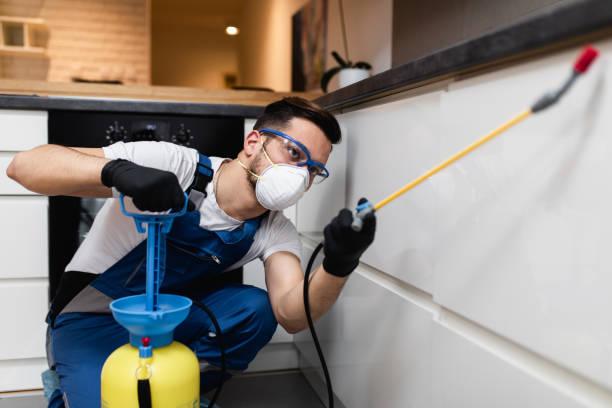
Regular pest inspections are no longer optional for property owners in the UK. They are a fundamental part of responsible property management, risk prevention, and long-term asset protection. Whether the property is residential or commercial, routine inspections carried out by a professional pest proofing company help identify early warning signs, prevent structural damage, and maintain a safe, compliant environment. Ignoring pest risks can lead to costly consequences that far outweigh the modest investment of scheduled inspections.
Understanding the Growing Pest Risks in UK Properties
The UK’s climate, dense urban areas, and ageing building stock create ideal conditions for pest activity. Rats, mice, cockroaches, bed bugs, ants, and stored-product insects are increasingly common in both modern and period properties.
Urbanisation and Pest Adaptability
Pests have adapted exceptionally well to urban environments. They exploit small gaps, drainage systems, roof voids, and poorly sealed entry points. Without regular inspections, infestations often develop unnoticed until they become severe.
Seasonal Pest Behaviour
Different pests peak at different times of the year. Rodents seek warmth in colder months, while insects become more active during warmer seasons. Regular inspections ensure year-round protection rather than reactive treatment after damage has occurred.
Early Detection Prevents Structural and Financial Damage
One of the most compelling reasons for routine pest inspections is early detection. Pests rarely appear suddenly; they leave behind subtle signs long before an infestation becomes visible.
Hidden Damage Caused by Pests
Rodents gnaw through electrical wiring, insulation, wooden beams, and pipework. Insects can compromise flooring, wall cavities, and stored materials. These issues often remain hidden behind walls or under floors, where they silently worsen.
Cost Control Through Prevention
Addressing a minor pest issue early is significantly cheaper than dealing with a full infestation. Regular inspections reduce emergency call-outs, extensive repairs, and business downtime.
Protecting Health, Safety, and Hygiene Standards
Pests are not just a nuisance; they pose serious health risks. Regular inspections help protect occupants, employees, and customers from contamination and disease.
Disease Transmission and Allergens
Rodents and insects carry bacteria, parasites, and pathogens that contaminate surfaces, food storage areas, and air quality. Cockroach droppings and rodent dander can trigger asthma and allergic reactions.
Compliance with UK Health Regulations
Commercial properties, landlords, and property managers have a legal duty to maintain safe and hygienic premises. Routine pest inspections demonstrate due diligence and help meet environmental health requirements.
Safeguarding Business Reputation and Property Value
For commercial properties, pest problems directly affect reputation. A single incident can result in lost customers, negative reviews, and long-term brand damage.
Customer and Tenant Confidence
Visible pest issues undermine trust instantly. Regular inspections ensure problems are identified discreetly and resolved before they impact occupants or visitors.
Long-Term Property Value Preservation
Properties with a history of pest damage are less attractive to buyers and tenants. Consistent inspection records help protect resale value and rental appeal.
Pest Inspections as a Core Part of Pest Proofing
Regular inspections are not isolated services; they are a key component of a comprehensive pest proofing strategy.
Identifying Entry Points and Vulnerabilities
Professional inspections focus on identifying structural weaknesses such as gaps around doors, damaged brickwork, ventilation points, and drainage access. These insights allow for targeted pest-proofing measures that prevent future access.
Tailored Recommendations for Each Property
Every property is different. Inspections provide customised recommendations based on building type, location, usage, and surrounding environment, ensuring effective long-term control.
Why Professional Inspections Outperform DIY Checks
While some property owners attempt self-checks, these are rarely effective. Professional pest inspections go far beyond surface-level observations.
Expert Knowledge and Equipment
Professionals use specialist tools, monitoring devices, and industry expertise to detect activity that is invisible to untrained eyes. This includes identifying nesting sites, pheromone trails, and structural vulnerabilities.
Actionable Reports and Ongoing Monitoring
A professional inspection delivers a clear action plan, prioritised risks, and preventative measures. Ongoing inspections track changes over time, ensuring issues are addressed before escalation.
How Often Should UK Properties Be Inspected?
The frequency of pest inspections depends on property type, location, and risk level.
Residential Properties
At least one annual inspection is recommended, with additional checks for older buildings or properties near waste areas, waterways, or commercial zones.
Commercial and Rental Properties
Quarterly or bi-annual inspections are standard best practice, particularly for food-related businesses, HMOs, and high-occupancy buildings.
Regular Pest Inspections as a Smart Property Strategy
Routine pest inspections are a proactive investment in safety, compliance, and long-term savings. They protect structures, prevent health risks, and preserve the reputation and value of UK properties. Rather than reacting to infestations, regular inspections place control firmly in the hands of property owners, ensuring problems are identified early and resolved effectively.
For any UK property, consistent inspections are not an expense—they are an essential safeguard against avoidable risk.
- Digital Agency
- Literie
- Location de voitures
- Restaurant
- Restaurant
- Mode
- Mode
- Information
- Marketing
- Tourisme
- Développement
- Découverte
- Législation
- Gastronomie
- Pâtisserie
- Veranstaltung
- Art
- Causes
- Crafts
- Dance
- Drinks
- Film
- Fitness
- Food
- Spiele
- Gardening
- Health
- Startseite
- Literature
- Music
- Networking
- Andere
- Party
- Religion
- Shopping
- Sports
- Theater
- Wellness
 Deutsch
 Indian
 English
 French
 Arabic
 Spanish
 Portuguese
 Turkish
 Dutch
Dutch
 Italiano
 Russian
 Romaian
 Portuguese (Brazil)
 Greek
Greek
