


Laser Rust Cleaner: Modern Solutions for Efficient Metal Surface Restoration
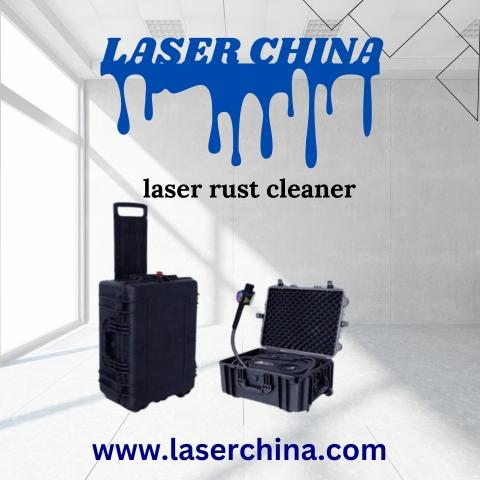
Rust is a common problem in industries that work with metal components, machinery, automotive parts, and industrial equipment. Over time, moisture, oxygen, and environmental exposure can cause metal surfaces to corrode, affecting their appearance and performance. Traditional rust removal methods often require chemicals, abrasive materials, or considerable manual effort. A laser rust cleaner offers a modern approach to removing rust and preparing metal surfaces for further processing.
Laser cleaning technology uses a controlled laser beam to remove unwanted contaminants from a surface. It is suitable for various industrial applications, including metal restoration, equipment maintenance, and manufacturing. Businesses looking to improve their surface preparation processes can explore laser cleaning equipment as an efficient and precise solution.
What Is a Laser Rust Cleaner?
A laser rust cleaner is a specialized machine that uses concentrated laser energy to remove rust, oxide layers, and other surface contaminants from metal. The laser interacts with the unwanted material, helping separate it from the underlying surface when the correct operating parameters are applied.
Unlike conventional cleaning techniques that rely on abrasive blasting or chemical treatments, laser cleaning can reduce the need for additional consumable materials. Depending on the machine configuration and the condition of the workpiece, it can provide controlled cleaning for different metal surfaces.
Laser rust cleaners are available in portable, handheld, and industrial configurations. This variety allows businesses to select equipment according to their production requirements, workspace, and cleaning applications.
How Does Laser Rust Cleaning Work?
The laser rust removal process begins by directing a focused laser beam toward the contaminated surface. The laser energy interacts with the rust layer, causing the unwanted material to break down, detach, or be removed through controlled ablation.
The operator adjusts the cleaning parameters according to the material type, rust thickness, and desired surface condition. These settings help achieve consistent results while minimizing unnecessary effects on the base metal.
Several factors influence cleaning performance, including laser power, scanning speed, beam characteristics, and the properties of the surface being treated. Proper parameter selection and preliminary testing are important for obtaining the desired finish.
After cleaning, the metal surface can be inspected and prepared for processes such as painting, welding, coating, or assembly.
Applications of Laser Rust Cleaner Machines
Laser rust cleaner machines are used across a wide range of industries where metal surfaces must remain clean and ready for further processing.
1. Automotive Industry
Automotive workshops and manufacturing facilities use laser cleaning to remove corrosion from selected metal components, tools, brackets, and machine parts. The technology can also assist with surface preparation before welding, refinishing, or repair work.
For automotive restoration projects, a suitable laser cleaner can help remove rust from targeted areas while providing greater control over the cleaning process.
2. Manufacturing and Metal Fabrication
Metal fabrication companies frequently work with steel sheets, structural components, and fabricated assemblies. Rust can interfere with welding, painting, and coating operations.
A laser rust cleaner can help prepare these components by removing surface oxidation and other contaminants. Integrating laser cleaning into production workflows may support more consistent preparation before subsequent manufacturing steps.
3. Industrial Equipment Maintenance
Industrial machinery can develop rust after prolonged exposure to moisture, chemicals, or demanding operating environments. Corrosion may affect external surfaces, equipment housings, and selected removable components.
Portable laser cleaning systems allow maintenance teams to address certain rust problems directly at the worksite. The equipment must be selected carefully for the component's size, material, accessibility, and cleaning requirements.
4. Shipbuilding and Heavy Industry
Marine equipment, steel structures, and heavy industrial components can experience corrosion because of harsh environmental conditions. Laser cleaning may be suitable for targeted rust removal, maintenance work, and surface preparation on appropriate components.
For large structures or extensive corrosion, businesses should compare cleaning speed, accessibility, and operating costs with alternative industrial methods before selecting their equipment.
Choosing the Right Laser Rust Cleaner
Selecting the appropriate machine is essential for achieving the required cleaning quality and production output. Buyers should evaluate several important factors before making a purchasing decision.
Laser power: Different rust conditions require different levels of laser energy. Light oxidation may need different settings from thick, heavily developed corrosion. Select a machine based on representative cleaning tests rather than power ratings alone.
Portability: A handheld laser rust cleaner may suit workshops, maintenance departments, and on-site operations. Stationary or integrated systems may be more appropriate for repetitive production-line work.
Material compatibility: Steel, stainless steel, aluminum, and other metals respond differently to laser energy. Verify that the proposed equipment can clean the intended materials without causing unacceptable surface damage.
Control system: Adjustable parameters help operators adapt the cleaning process to different components. Clear controls and appropriate operator training can improve consistency and reduce setup errors.
Manufacturer support: Consider technical documentation, training, spare parts availability, warranty coverage, and after-sales service when comparing suppliers.
Laser Rust Cleaner vs. Traditional Rust Removal
Traditional rust removal methods include wire brushing, abrasive blasting, grinding, and chemical treatment. Each method has applications where it may be appropriate.
Laser cleaning offers a contact-free process that can provide controlled treatment of selected surfaces. It can also reduce the need for abrasive media and certain chemical cleaning agents. However, actual results depend on the equipment, surface condition, and production requirements.
Mechanical methods may remain more economical for large surfaces with heavy corrosion, while chemical methods may suit particular batch-processing applications. A laser rust cleaner is worth evaluating when precision, reduced consumable use, and controlled surface treatment are priorities.
Safety Considerations for Laser Cleaning
Industrial laser equipment must be operated according to the manufacturer's safety instructions. High-powered laser beams can cause serious eye and skin injuries, while reflections from metal surfaces may create additional hazards.
Before operating a laser rust cleaner, businesses should establish a suitable controlled work area, use laser-rated protective equipment appropriate to the system, and train operators in safe operating procedures. Fume extraction may also be necessary because rust, coatings, oils, and other contaminants can release airborne particles or hazardous substances during cleaning.
A proper risk assessment should account for reflective materials, nearby personnel, fire risks, and the specific laser classification. Safety controls should be in place before production begins.
Why Invest in a Laser Rust Cleaner?
For businesses handling recurring metal-cleaning tasks, laser cleaning technology can support a more controlled and organized workflow. Reducing reliance on abrasive consumables may simplify material handling, while targeted cleaning can help prepare components for finishing and fabrication.
Before investing, companies should calculate the expected cleaning throughput, equipment cost, operator training requirements, maintenance expenses, and potential savings compared with their existing methods. Demonstrations using actual workpieces can help buyers assess cleaning quality and determine whether the technology matches their operational needs.
Final Thoughts
A laser rust cleaner provides a modern option for removing rust and preparing metal surfaces across manufacturing, automotive repair, industrial maintenance, and metal fabrication. By selecting the appropriate machine, establishing correct cleaning parameters, and following essential safety procedures, businesses can incorporate laser cleaning into their surface preparation operations.
- Digital Agency
- Literie
- Location de voitures
- Restaurant
- Restaurant
- Mode
- Mode
- Information
- Marketing
- Tourisme
- Développement
- Découverte
- Législation
- Gastronomie
- Pâtisserie
- Evento
- Art
- Causes
- Crafts
- Dance
- Drinks
- Film
- Fitness
- Food
- Jogos
- Gardening
- Health
- Início
- Literature
- Music
- Networking
- Outro
- Party
- Religion
- Shopping
- Sports
- Theater
- Wellness
 Portuguese
 Indian
 English
 French
 Arabic
 Spanish
 Deutsch
 Turkish
 Dutch
 Italiano
 Russian
 Romaian
 Portuguese (Brazil)
 Greek
