


From Resin to Reality: How Quality Chemicals Drive Performance
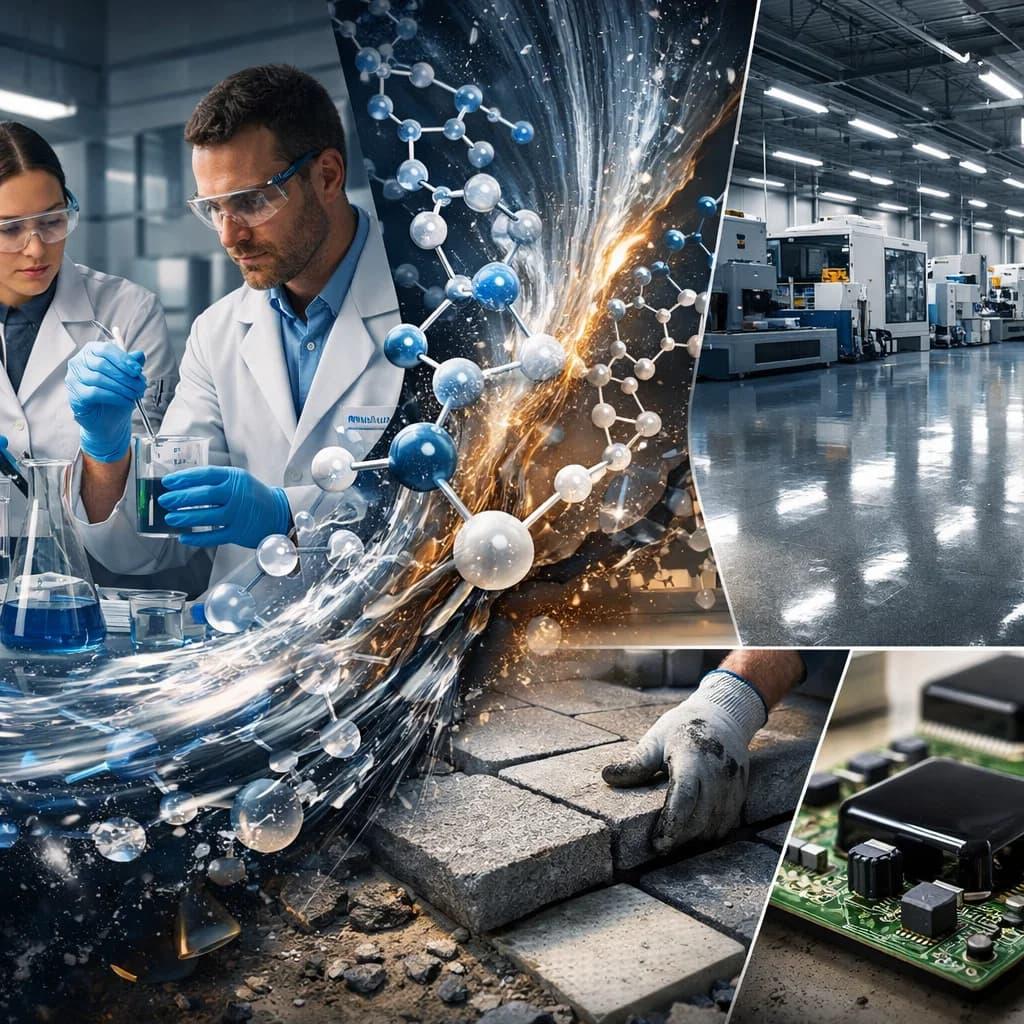
Modern industries rely heavily on high-performance chemical solutions to achieve durability, safety, and operational efficiency. From construction and manufacturing to electronics and healthcare, advanced chemical formulations play a critical role in shaping how materials perform in real-world conditions. Among these solutions, Epoxy Resin, polymers, and engineered compounds have become essential due to their strength, versatility, and long service life.
Innovations in epoxy flooring, bonding systems, and protective potting compounds have significantly raised industrial and construction standards. These materials offer superior resistance to chemicals, moisture, heat, and mechanical stress, making them ideal for demanding environments. Understanding how quality chemicals move from raw materials to finished applications helps industries make informed choices. This journey—from resin to reality—demonstrates how precision, innovation, and responsible manufacturing directly influence performance, reliability, and sustainability.
The Evolution of Industrial Chemicals and Materials
In earlier decades, industries relied on basic construction and bonding materials such as cement, sand mixtures, and low-grade coatings. While these materials were cost-effective, they lacked durability and resistance to harsh industrial conditions. Over time, issues such as cracking, dusting, moisture penetration, and chemical damage became increasingly common.
The transition toward engineered polymers and advanced epoxy systems marked a major shift in industrial material science. These innovations addressed the shortcomings of traditional materials by offering enhanced strength, chemical resistance, and longevity. As industrial demands grew, so did the need for materials that could withstand continuous use, aggressive chemicals, and environmental stress. Today, epoxy-based solutions are widely adopted for their consistent performance and adaptability across multiple sectors.
Understanding Epoxy Chemistry: From Resin to Application
Epoxy Resin is a thermosetting polymer known for its exceptional bonding strength and resistance properties. When combined with hardeners, epoxy undergoes a chemical reaction that creates a rigid, cross-linked structure. This curing mechanism is what gives epoxy systems their durability and stability.
Unlike conventional materials, epoxy formulations can be customized for specific applications, whether for coatings, structural bonding, or protective encapsulation. Epoxy flooring systems provide seamless, durable surfaces, while Epoxy Adhesive solutions deliver strong bonds even under moisture and load stress. The versatility of epoxy chemistry allows it to perform consistently across construction, industrial processing, and electrical applications, making it a preferred choice in modern material engineering.
Why Quality Matters in Chemical Manufacturing
Quality is a defining factor in chemical performance. The use of certified raw materials ensures that formulations meet required specifications and perform predictably. Precision in formulation and strict batch consistency reduce the risk of failure in critical applications.
Quality control processes, including testing and validation, directly impact the long-term performance of epoxy systems. Products manufactured under controlled conditions deliver reliable results, minimize maintenance, and extend service life. Compliance with international manufacturing and safety standards further ensures that chemical solutions are safe, efficient, and suitable for demanding industrial environments.
Innovation Through Research & Development
Continuous research and development are the driving forces behind advancements in chemical technology. Through R&D, manufacturers refine epoxy formulations to improve strength, curing time, flexibility, and environmental resistance. Customized polymer solutions are developed to meet specific industrial requirements, ensuring optimal performance in unique conditions.
Testing, simulation, and performance validation play a crucial role in innovation. These processes allow chemical solutions to be evaluated under real-world conditions before deployment. By adapting to evolving industrial and environmental requirements, R&D ensures that epoxy and polymer technologies remain relevant, efficient, and sustainable.
Advanced Manufacturing Practices and Process Control
Controlled production environments are essential for maintaining chemical quality. Advanced manufacturing practices focus on precision, consistency, and efficiency throughout the production process. Energy-efficient systems reduce resource consumption while maintaining high output standards.
Minimizing waste and optimizing raw material usage contribute to sustainable manufacturing. Modern equipment and automation improve accuracy, reduce human error, and ensure uniform product quality. These practices collectively support the production of high-performance epoxy systems that meet both industrial demands and environmental expectations.
Epoxy Flooring: Performance Beyond the Surface
Epoxy flooring has become a preferred solution for industrial and commercial spaces due to its exceptional performance characteristics. Its seamless surface offers high resistance to chemicals, abrasion, and heavy loads, making it ideal for factories, warehouses, hospitals, and laboratories.
Beyond durability, epoxy flooring provides hygienic and easy-to-clean surfaces, supporting strict cleanliness standards. Aesthetic versatility allows customization in color and finish without compromising strength. Long-term cost efficiency is another key advantage, as epoxy flooring requires minimal maintenance and offers extended service life. These benefits make epoxy flooring a reliable solution for environments that demand performance beyond the surface.
Epoxy Adhesives and Tile Bonding Solutions
Epoxy Adhesive systems differ significantly from traditional cement-based bonding materials. They offer superior bonding strength, flexibility, and resistance to moisture and chemicals. These properties are essential for applications where structural integrity and durability are critical.
In construction and tiling projects, reliable bonding ensures long-term stability and reduces the risk of failure. The role of a Tile Bond Manufacturer in Pakistan is vital in addressing local construction needs while meeting industrial performance standards. High-quality tile bonding solutions enhance installation efficiency and ensure lasting results in both residential and commercial projects.
Epoxy Potting: Protecting Critical Components
Epoxy potting involves encapsulating electronic and electrical components within a protective epoxy compound. This process shields sensitive parts from moisture, vibration, heat, and chemical exposure. As industries increasingly rely on electronic systems, the demand for effective protection solutions continues to grow.
Applications of epoxy potting span electronics, electrical assemblies, and industrial control systems. The rising need for reliable encapsulation has increased the demand for Epoxy Potting Manufacturers in Pakistan. Quality potting compounds ensure operational reliability, extend component lifespan, and reduce maintenance risks in critical systems.
Sustainability and Environmentally Responsible Practices
Sustainable chemical development is essential for balancing performance with environmental responsibility. Energy-saving production techniques reduce emissions and resource consumption without compromising product quality.
Environmentally responsible practices focus on minimizing waste, optimizing formulations, and adhering to environmental management standards. By integrating sustainability into manufacturing processes, chemical solutions can support industrial growth while protecting natural resources. This approach ensures long-term viability for both industries and the environment.
Industries Powered by High-Performance Chemical Solutions
High-performance chemical solutions support a wide range of industries. In building and construction, epoxy systems enhance structural strength and durability. Pharmaceutical and laboratory environments rely on chemical-resistant surfaces and coatings for safety and hygiene.
Process industries benefit from epoxy formulations that withstand harsh operating conditions. In agriculture, protective coatings extend equipment life and improve efficiency. Research and educational institutions utilize epoxy resins for experimentation and material development, while composite materials and fibers depend on advanced polymers for strength and flexibility.
Certifications, Standards, and Trust in Quality
Certifications and compliance with international standards play a crucial role in establishing trust. ISO certifications ensure that manufacturing processes meet global benchmarks for quality, safety, and environmental management.
These standards guarantee consistency, reliability, and performance across product lines. Certifications reflect a commitment to excellence and responsible manufacturing, helping build long-term relationships with industrial partners. Trust in quality is reinforced when chemical solutions consistently meet or exceed industry expectations.
From Innovation to Application: Turning Chemistry into Results
The true value of quality chemicals lies in their real-world performance. Tailored epoxy and polymer solutions address the specific needs of diverse industries, ensuring optimal results. Efficient supply chains and technical support further enhance application success.
Looking ahead, advancements in epoxy and polymer technologies will continue to drive innovation in construction, manufacturing, and electronics. By combining research, quality manufacturing, and sustainability, chemical solutions transform innovation into tangible results.
Conclusion
Quality, innovation, and sustainability are the cornerstones of high-performance chemical solutions. From Epoxy Resin formulations to advanced flooring, adhesives, and potting compounds, modern chemistry plays a vital role in industrial progress. These solutions enhance durability, safety, and efficiency across multiple sectors.
As industries evolve, the demand for reliable and environmentally responsible materials will continue to grow. Advanced epoxy systems offer long-term value, supporting infrastructure development and technological advancement. The future of construction and manufacturing will remain closely tied to the power of chemistry—turning resin into reality through performance-driven innovation.
- Digital Agency
- Literie
- Location de voitures
- Restaurant
- Restaurant
- Mode
- Mode
- Information
- Marketing
- Tourisme
- Développement
- Découverte
- Législation
- Gastronomie
- Pâtisserie
- Eveniment
- Art
- Causes
- Crafts
- Dance
- Drinks
- Film
- Fitness
- Food
- Jocuri
- Gardening
- Health
- Acasă
- Literature
- Music
- Networking
- Alte
- Party
- Religion
- Shopping
- Sports
- Theater
- Wellness
 Romaian
 Indian
 English
 French
 Arabic
 Spanish
 Portuguese
 Deutsch
 Turkish
 Dutch
Dutch
 Italiano
 Russian
 Portuguese (Brazil)
 Greek
Greek
