


How Gum Disease Affects Dental Implant Success | Implant Failure Risks
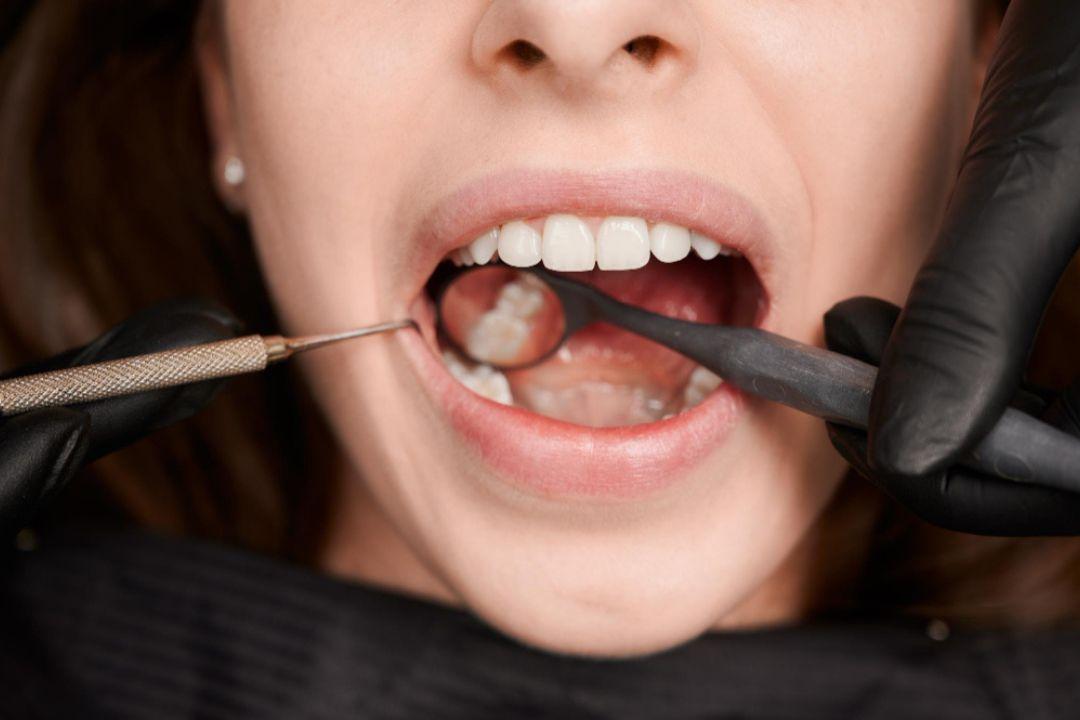
Dental implants are considered one of the most reliable and long-term solutions for missing teeth. But what many people don’t realize is that healthy gums are just as important as strong jawbone when it comes to implant success. If gum disease is present—treated or untreated—it can seriously lower the chances of a successful dental implant.
What Is Gum Disease?
Gum disease, also known as periodontal disease, is a bacterial infection that affects the gums and the bone supporting your teeth. It usually starts as mild inflammation (gingivitis) and can progress into severe infection (periodontitis) if ignored.
Common signs include:
- Bleeding gums
- Swollen or red gums
- Bad breath that doesn’t go away
- Gum recession
- Loose teeth
Why Gum Disease Reduces Implant Success Rates
Dental implants rely on a process called osseointegration, where the implant fuses securely with the jawbone. Gum disease interferes with this process in several ways:
- Infection Weakens Gum and Bone Support
Gum disease destroys the soft tissue and bone that hold teeth in place. Without healthy support, implants don’t have a stable foundation to integrate properly.
- Higher Risk of Peri-Implantitis
Patients with a history of gum disease are more likely to develop peri-implantitis, an infection around the implant. This condition causes inflammation, bone loss, and eventually implant failure.
- Slower Healing After Implant Surgery
Infected gums heal more slowly. Poor healing increases the risk of complications, discomfort, and implant rejection.
- Reduced Long-Term Implant Stability
Even if an implant initially succeeds, untreated or recurring gum disease can cause bone loss over time—leading to implant loosening years later.
Can You Get Dental Implants If You Have Gum Disease?
Yes—but only after gum disease is fully treated and controlled.
Dentists usually recommend:
- Deep cleaning (scaling and root planing)
- Gum infection treatment or periodontal therapy
- Bone grafting if bone loss is present
- A healing period before implant placement
How to Improve Implant Success If You’ve Had Gum Disease
Here’s how patients can protect their investment in dental implants:
- Maintain excellent oral hygiene (brushing twice daily and flossing)
- Attend regular dental checkups and cleanings
- Quit smoking, as it worsens gum disease and slows healing
- Follow all post-implant care instructions
- Treat any gum inflammation immediately
Final Thoughts
Gum disease is one of the leading causes of dental implant failure, but it’s also preventable and treatable. Healthy gums create the foundation for strong, stable implants that can last decades.
- Digital Agency
- Literie
- Location de voitures
- Restaurant
- Restaurant
- Mode
- Mode
- Information
- Marketing
- Tourisme
- Développement
- Découverte
- Législation
- Gastronomie
- Pâtisserie
- Evento
- Art
- Causes
- Crafts
- Dance
- Drinks
- Film
- Fitness
- Food
- Jogos
- Gardening
- Health
- Início
- Literature
- Music
- Networking
- Outro
- Party
- Religion
- Shopping
- Sports
- Theater
- Wellness
 Portuguese (Brazil)
 Indian
 English
 French
 Arabic
 Spanish
 Portuguese
 Deutsch
 Turkish
 Dutch
Dutch
 Italiano
 Russian
 Romaian
 Greek
Greek
