


Fixed vs Removable Dental Prosthetics: Pros, Cons, and Costs
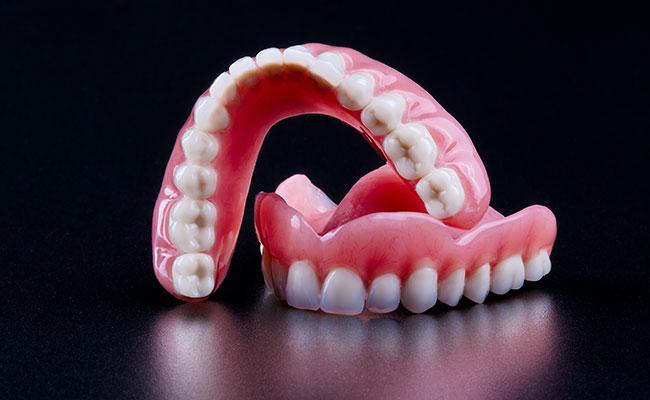
Most people don’t sit around thinking about Dental Prosthetics. They land here after a missing tooth, a failing crown, or a dentist calmly explaining that “doing nothing” is no longer an option.
This article answers a very specific and very practical question:
What’s the real difference between fixed and removable dental prosthetics, and which one actually makes sense for you?
We’ll break down:
-
What fixed and removable dental prosthetics are
-
The real pros and cons of each
-
Cost considerations in Australia
-
Lifestyle factors people forget to consider
-
How to choose without regret or panic-Googling at midnight
No sales pressure. No miracle promises. Just clarity.
Quick Overview: Fixed vs Removable Dental Prosthetics
Snapshot Summary
-
Dental Prosthetics are artificial replacements for missing or damaged teeth.
-
Fixed prosthetics stay in place and function like natural teeth.
-
Removable prosthetics can be taken out for cleaning or sleeping.
-
Fixed options usually feel more natural but cost more upfront.
-
Removable options are more affordable and flexible but need daily management.
In short:
Fixed prosthetics prioritise stability and function. Removable prosthetics prioritise flexibility and cost.
Want to dive deeper? Keep reading.
What Are Dental Prosthetics (Plain English Version)?
Dental Prosthetics are devices designed to replace missing teeth or restore damaged ones. They’re not cosmetic add-ons. They’re functional tools that help you chew, speak, and keep your jaw healthy.
Common types include:
-
Crowns
-
Bridges
-
Dentures
-
Partial dentures
-
Implant-supported restorations
The big dividing line is fixed vs removable.
Fixed Dental Prosthetics: What That Actually Means
Fixed dental prosthetics are attached permanently. You don’t remove them. You clean them like natural teeth.
Examples of fixed dental prosthetics:
-
Crowns
-
Fixed bridges
-
Implant-supported crowns or bridges
Once placed, they stay put.
Pros of Fixed Dental Prosthetics
-
Feel closest to natural teeth
-
Strong and stable for chewing
-
No daily removal routine
-
No slipping, clicking, or movement
-
Usually better for long-term jaw health
Cons of Fixed Dental Prosthetics
-
Higher upfront cost
-
Longer treatment timeline
-
Not suitable for every mouth
-
Repairs may require dental visits
Bold truth: Fixed prosthetics are about convenience after treatment, not during it.
Removable Dental Prosthetics: What You’re Signing Up For
Removable prosthetics are designed to be taken out. This includes full and partial dentures.
Examples of removable dental prosthetics:
-
Full dentures
-
Partial dentures
-
Removable implant-supported dentures
They’re custom-made but not permanently attached.
Pros of Removable Dental Prosthetics
-
Lower initial cost
-
Faster treatment process
-
Easier to adjust or replace
-
Suitable when bone or teeth are limited
Cons of Removable Dental Prosthetics
-
Can feel less stable
-
Require daily removal and cleaning
-
May affect speech initially
-
Can move under pressure
-
Need periodic relining or replacement
They work well, but they demand cooperation.
Did You Know?
Jawbone loss progresses faster when teeth aren’t supported by fixed structures. That’s why long-term planning matters with dental prosthetics.
Comfort and Function: Where the Differences Really Show
Chewing
-
Fixed: Stronger bite, more natural feel
-
Removable: Effective but less powerful
Speech
-
Fixed: Minimal adjustment
-
Removable: Short learning curve
Confidence
-
Fixed: “Forget they’re there” feeling
-
Removable: Awareness is normal, especially early
Comfort improves with both options, but fixed prosthetics tend to feel more seamless.
Costs in Australia: What You’re Really Paying For
Dental prosthetics aren’t priced like groceries. Costs vary based on materials, complexity, and treatment time.
General cost patterns (very broad):
-
Removable prosthetics: Lower upfront, ongoing maintenance
-
Fixed prosthetics: Higher upfront, lower daily upkeep
Private health cover may contribute, but rarely covers everything. The real cost question is short-term vs long-term.
Pro Tip
Ask about total lifetime cost, not just the first invoice. Repairs, replacements, and maintenance add up.
Maintenance: Daily Reality Check
Fixed Prosthetics
-
Brush and floss daily
-
Attend regular check-ups
-
Treat them like real teeth
Removable Prosthetics
-
Remove nightly (usually)
-
Clean separately
-
Handle carefully
-
Store properly
Neither option is “maintenance-free.” One just asks more of you.
Quick Guide: Choosing Between Fixed and Removable Dental Prosthetics
Intro
Choosing dental prosthetics often happens during stressful moments. Clear thinking helps avoid regret later.
Common Challenges
-
“I want something stable, but I’m worried about cost.”
-
“I’m not sure my mouth can handle fixed options.”
-
“I don’t want something that feels obvious or awkward.”
How to Decide
Assess Bone and Tooth Support
Some mouths simply suit certain options better.
Think About Daily Habits
Are you okay removing and cleaning prosthetics daily?
Plan for the Long Term
Consider future maintenance, not just today’s price.
Discuss All Options Clearly
A good provider explains pros and cons honestly.
Why It Works
This approach balances health, lifestyle, and budget. No rushed decisions. No surprises.
Lifestyle Factors People Forget
Dental prosthetics affect more than chewing.
Eating Out
-
Fixed prosthetics feel more natural
-
Removable prosthetics may limit very hard foods
Travel
-
Fixed options are low-maintenance
-
Removable options require storage and cleaning kits
Social Confidence
-
Fixed prosthetics often feel invisible
-
Removable ones take adjustment time
None of these are deal-breakers. They’re just realities.
Mini Quiz: Which Option Fits You?
Answer honestly.
-
Do you want to forget your prosthetics exist?
-
Are you comfortable with daily removal and cleaning?
-
Is upfront cost your biggest concern?
-
Do you want the strongest possible bite?
Mostly 1 & 4: Fixed may suit you.
Mostly 2 & 3: Removable may be more practical.
Common Myths About Dental Prosthetics
“Removable prosthetics always look fake.”
False. Modern designs are far better than stereotypes.
“Fixed prosthetics last forever.”
Also false. They last long, but nothing is immortal.
“Cheaper always means worse.”
No. Suitability matters more than price.
FAQs
Are fixed dental prosthetics better than removable ones?
Not universally. Fixed options offer stability, while removable ones offer flexibility and affordability.
Can I switch from removable to fixed later?
Sometimes. It depends on bone health and overall oral condition.
Do removable prosthetics damage gums?
Not when properly fitted and maintained.
How long do dental prosthetics last?
It varies. Maintenance, materials, and oral habits all matter.
Are dental prosthetics covered by health insurance?
Partial coverage may apply, depending on your policy.
A Moment of Honesty
Dental prosthetics aren’t about perfection. They’re about function, comfort, and confidence. The “best” option is the one that fits your mouth, lifestyle, and budget without creating daily frustration.
Conclusion
Choosing between fixed and removable Dental Prosthetics isn’t about right or wrong. It’s about priorities.
Fixed prosthetics offer stability, comfort, and a natural feel, while removable options provide flexibility and lower upfront costs.
Both restore function and confidence when chosen thoughtfully.
The key is understanding the trade-offs before committing. Ask questions, consider long-term needs, and avoid rushing decisions based solely on price.
When dental prosthetics match your lifestyle, they stop feeling like prosthetics and start feeling like part of you. And that’s the goal.
- Digital Agency
- Literie
- Location de voitures
- Restaurant
- Restaurant
- Mode
- Mode
- Information
- Marketing
- Tourisme
- Développement
- Découverte
- Législation
- Gastronomie
- Pâtisserie
- Evenement
- Art
- Causes
- Crafts
- Dance
- Drinks
- Film
- Fitness
- Food
- Spellen
- Gardening
- Health
- Home
- Literature
- Music
- Networking
- Overig
- Party
- Religion
- Shopping
- Sports
- Theater
- Wellness
 Dutch
Dutch
 Indian
 English
 French
 Arabic
 Spanish
 Portuguese
 Deutsch
 Turkish
 Italiano
 Russian
 Romaian
 Portuguese (Brazil)
 Greek
Greek
