


Ranthambore National Park & Tiger Reserve: A Complete Travel Guide
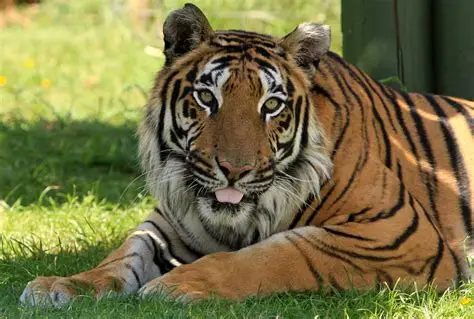
India is home to some of the most spectacular wildlife sanctuaries in the world, and among them, Ranthambore National Park & Tiger Reserve stands out as a crown jewel. Located in Rajasthan, this park is renowned for its majestic Bengal tigers, diverse flora and fauna, and historical ruins that create a unique blend of nature and heritage. Spread across 1,334 square kilometers, Ranthambore offers travelers an unforgettable experience of wilderness, adventure, and culture.
🌍 Introduction to Ranthambore National Park & Tiger Reserve
-
Location: Situated in Sawai Madhopur district of Rajasthan, about 180 km from Jaipur.
-
Unique appeal: Famous for tiger sightings in their natural habitat.
-
Tourism growth: Attracts wildlife enthusiasts, photographers, and eco-travelers from across the globe.
-
Conservation importance: Part of Project Tiger, dedicated to preserving India’s tiger population.
🐅 Highlights of Ranthambore National Park & Tiger Reserve
Bengal Tigers
-
The star attraction of Ranthambore.
-
Tigers are often spotted during daytime, making it one of the best parks for sightings.
-
Each tiger has unique stripes, helping researchers identify individuals.
Diverse Wildlife
-
Leopards, sloth bears, striped hyenas, jackals, and marsh crocodiles.
-
Herbivores like sambar deer, chital, nilgai, and wild boar.
-
Over 300 species of birds, including crested serpent eagles, kingfishers, and migratory species.
Scenic Landscapes
-
Dry deciduous forests, lakes, and grasslands.
-
Picturesque ruins of Ranthambore Fort within the park.
-
Padam Talao and Rajbagh Talao are iconic water bodies frequented by wildlife.
🏞️ Attractions Inside Ranthambore National Park & Tiger Reserve
Ranthambore Fort
-
A UNESCO World Heritage Site under the Hill Forts of Rajasthan.
-
Offers panoramic views of the park.
-
Houses temples dedicated to Lord Ganesha and Shiva.
Padam Talao
-
The largest lake in the park.
-
Known for water lilies and frequent tiger sightings.
-
A favorite spot for birdwatchers.
Rajbagh Ruins
-
Ancient stone structures scattered across the park.
-
Add a mystical charm to wildlife photography.
Malik Talao
-
A small lake popular for crocodile sightings.
-
Surrounded by dense vegetation.
🌱 Safari Experience in Ranthambore
-
Jeep Safari: 6-seater vehicles offering close encounters with wildlife.
-
Canter Safari: 20-seater open buses suitable for groups.
-
Safari Zones: The park is divided into 10 zones, each offering unique landscapes and wildlife experiences.
-
Timings: Morning (6:30–10:00 AM) and evening (2:30–6:00 PM).
-
Booking: Safaris must be booked in advance, especially during peak season.
🧘 Activities in Ranthambore National Park & Tiger Reserve
-
Wildlife safaris: Spotting tigers, leopards, and other animals.
-
Birdwatching: Migratory and native species around lakes.
-
Photography tours: Specialized packages for wildlife photographers.
-
Fort exploration: Blending history with nature.
-
Nature walks: Guided treks in buffer zones.
🎉 Festivals and Events in Ranthambore Region
-
Ganesh Chaturthi: Celebrated at the Ganesha Temple inside Ranthambore Fort.
-
Local fairs: Cultural events in Sawai Madhopur showcasing Rajasthani traditions.
-
Wildlife Week: Awareness programs and activities promoting conservation.
🌟 Importance of Ranthambore National Park & Tiger Reserve
-
Tiger conservation: A key site under Project Tiger.
-
Eco-tourism: Promotes sustainable travel and supports local communities.
-
Cultural heritage: Forts and ruins highlight Rajasthan’s history.
-
Global recognition: One of the most famous tiger reserves in the world.
🧭 Travel Tips for Ranthambore
-
Best time to visit: October to March for pleasant weather and better sightings.
-
Summer visits: April–June increase chances of spotting tigers near waterholes, but heat is intense.
-
Monsoon closure: Park remains closed from July to September.
-
Dress comfortably: Light cotton clothes in summer; warm layers in winter mornings.
-
Carry essentials: Sunscreen, hats, binoculars, and cameras.
-
Stay options: Choose from luxury resorts, eco-lodges, and budget hotels in Sawai Madhopur.
🏕️ Challenges in Ranthambore Tourism
-
Overcrowding: Peak seasons attract large crowds.
-
Heat in summer: Safaris can be exhausting; hydration is crucial.
-
Environmental concerns: Balancing tourism with conservation is essential.
-
Human-wildlife conflict: Managing coexistence around buffer zones.
🌟 Future of Ranthambore National Park & Tiger Reserve
-
Eco-tourism initiatives: Sustainable safaris and eco-lodges are being promoted.
-
Digital booking: Online systems make safari reservations easier.
-
Luxury expansion: More premium resorts are opening near Ranthambore.
-
Global outreach: Ranthambore is marketed as a premier wildlife destination worldwide.
-
Community involvement: Local villagers benefit from tourism through employment and handicrafts.
✨ Conclusion
Ranthambore National Park & Tiger Reserve is more than just a wildlife sanctuary—it’s a living story of India’s conservation success, cultural heritage, and natural beauty. From the thrill of spotting Bengal tigers to the serenity of Padam Talao, from exploring Ranthambore Fort to witnessing migratory birds, the park offers a holistic travel experience. Visiting Ranthambore is not just about adventure; it’s about connecting with nature and supporting the preservation of one of the planet’s most iconic species.
- Digital Agency
- Literie
- Location de voitures
- Restaurant
- Restaurant
- Mode
- Mode
- Information
- Marketing
- Tourisme
- Développement
- Découverte
- Législation
- Gastronomie
- Pâtisserie
- Veranstaltung
- Art
- Causes
- Crafts
- Dance
- Drinks
- Film
- Fitness
- Food
- Spiele
- Gardening
- Health
- Startseite
- Literature
- Music
- Networking
- Andere
- Party
- Religion
- Shopping
- Sports
- Theater
- Wellness
 Deutsch
 Indian
 English
 French
 Arabic
 Spanish
 Portuguese
 Turkish
 Dutch
Dutch
 Italiano
 Russian
 Romaian
 Portuguese (Brazil)
 Greek
Greek
