


Florida Registered Nurse License Verification: Compliance Guide for Providers
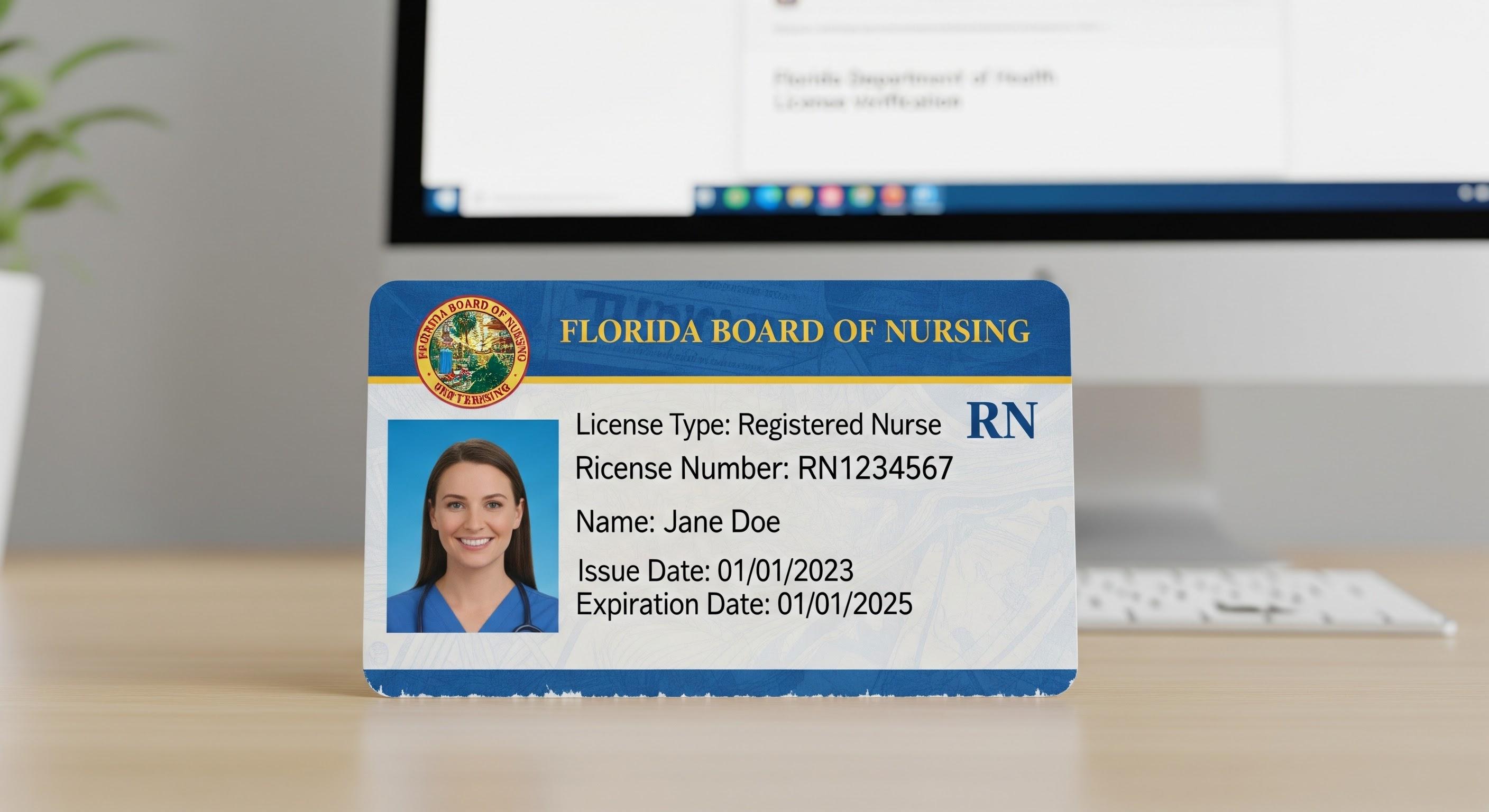
Hiring qualified nursing professionals is essential for delivering safe patient care and maintaining regulatory compliance. In Florida, healthcare employers are legally responsible for ensuring that every registered nurse working in their facility holds a valid, active license. Failure to follow proper verification procedures can lead to serious legal, financial, and operational consequences.
This comprehensive guide explains the legal importance of Florida Registered Nurse License Verification, outlines the correct verification process, highlights common compliance risks, and explains how healthcare employers can protect themselves with the right legal strategy—supported by the experience of Florida Healthcare Law Firm.
Why RN License Verification Matters in Florida
Florida has one of the most strictly regulated healthcare systems in the United States. Registered nurses are governed by the Florida Board of Nursing under state law, and employers are expected to conduct independent credential verification before allowing any nurse to provide patient care.
Improper verification can result in:
-
Regulatory audits and investigations
-
Administrative fines and penalties
-
Increased malpractice exposure
-
Loss of contracts or accreditation
-
Reputational harm
Healthcare organizations cannot rely on trust alone. Verification must be accurate, documented, and ongoing.
Legal Requirements for RN Licensure in Florida
Registered nurses practicing in Florida must:
-
Hold an active license issued by the Florida Board of Nursing
-
Meet continuing education requirements
-
Renew their license on time
-
Maintain a license free from disqualifying disciplinary restrictions
Employers who fail to confirm these requirements may be held liable, even if the nurse misrepresented their credentials.
Step-by-Step RN License Verification Process
To remain compliant, healthcare employers should follow a structured verification procedure.
1. Use Official State Resources
License verification must be completed through the Florida Department of Health’s official licensing database. This ensures accuracy and legal reliability.
2. Confirm License Status
Verify that the RN license is:
-
Active
-
Current
-
Appropriate for the role being filled
Expired, inactive, or restricted licenses may disqualify the nurse from certain duties.
3. Review Disciplinary History
Employers must review any public disciplinary actions. While not every issue results in disqualification, failure to review or document findings can be considered negligence.
4. Validate Renewal and Education Compliance
Confirm that the nurse has met continuing education requirements and renewal deadlines.
5. Maintain Proper Documentation
All verification steps should be documented and stored securely. These records are critical during audits or legal disputes.
Ongoing Monitoring Is a Compliance Requirement
One-time verification is not enough. Florida healthcare employers are expected to monitor licenses throughout employment. Best practices include:
-
Scheduled re-verification
-
Automated renewal reminders
-
Internal compliance audits
-
Centralized credentialing records
Consistent monitoring significantly reduces regulatory risk.
Common RN Verification Mistakes to Avoid
Healthcare employers often face compliance issues due to:
-
Verifying licenses only at the time of hiring
-
Failing to document verification steps
-
Ignoring disciplinary history
-
Relying solely on staffing agencies
-
Not updating internal policies
These mistakes can lead to avoidable enforcement actions.
Legal Risks of Non-Compliance
Failure to properly verify RN licenses can expose employers to:
-
State enforcement actions
-
Civil liability claims
-
Increased insurance costs
-
Contractual disputes
-
Operational shutdowns
Regulators expect proactive compliance—not reactive correction.
The Role of Legal Counsel in RN Compliance
Healthcare law is complex, and regulatory expectations change over time. Legal counsel plays a vital role in:
-
Developing compliant hiring policies
-
Reviewing credentialing procedures
-
Responding to regulatory inquiries
-
Defending enforcement actions
-
Conducting compliance audits
The Florida Healthcare Law Firm assists healthcare providers in building legally defensible compliance systems that align with Florida regulations and industry standards.
Best Practices for Florida Healthcare Employers
To maintain long-term compliance:
-
Implement standardized verification protocols
-
Train HR and compliance staff regularly
-
Conduct periodic internal audits
-
Maintain detailed documentation
-
Seek legal review of credentialing policies
These practices demonstrate good-faith compliance and reduce enforcement exposure.
Conclusion
Proper nurse credentialing is a legal obligation—not an administrative formality. Florida Registered Nurse License Verification protects patients, employers, and healthcare organizations from unnecessary risk. By following structured verification procedures, maintaining ongoing monitoring, and working with experienced healthcare legal counsel like the Florida Healthcare Law Firm, employers can meet regulatory expectations with confidence and safeguard their operations for the future.
- Digital Agency
- Literie
- Location de voitures
- Restaurant
- Restaurant
- Mode
- Mode
- Information
- Marketing
- Tourisme
- Développement
- Découverte
- Législation
- Gastronomie
- Pâtisserie
- Etkinlik
- Art
- Causes
- Crafts
- Dance
- Drinks
- Film
- Fitness
- Food
- Oyunlar
- Gardening
- Health
- Ana sayfa
- Literature
- Music
- Networking
- diğer
- Party
- Religion
- Shopping
- Sports
- Theater
- Wellness
 Turkish
 Indian
 English
 French
 Arabic
 Spanish
 Portuguese
 Deutsch
 Dutch
Dutch
 Italiano
 Russian
 Romaian
 Portuguese (Brazil)
 Greek
Greek
