


Tree Protection Plans for Renovations: What Homeowners Must Know
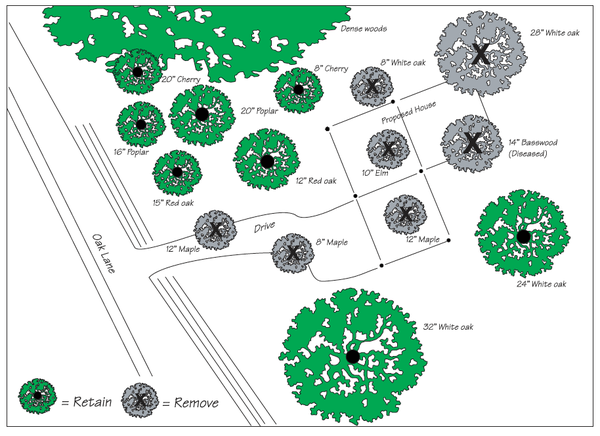
Renovating your home in Australia is already a thrill ride: choosing paint colours, negotiating with builders, discovering that your “simple extension” somehow requires seven different approvals… and then the council steps in and asks, “Where’s your Tree Protection Plan?”
If you thought your gum tree was just a nice backdrop for Sunday barbecues, think again. When renovations come into play, trees become highly protected environmental assets, and your project suddenly has to play by their rules.
This guide explains everything Australian homeowners must know about Tree Protection Plans, how they influence renovation approvals, and how they save you from delays, redesigns, and unwanted council drama.
Quick Overview: Why Tree Protection Plans Matter
Renovations don’t just affect your house. They affect the land around it—including trees, root systems, soil structure, and canopy zones. That’s why councils often require Tree Protection Plans (TPPs) before granting approval for extensions, additions, or major landscaping.
Here’s the short version:
Snapshot Summary
-
Tree Protection Plans outline how trees will be protected before, during, and after construction.
-
Councils rely on TPPs to confirm you’re not damaging protected species or affecting biodiversity.
-
A well-prepared TPP speeds up renovation approvals and prevents costly delays.
-
TPPs include fencing requirements, root zone mapping, access routes, and pruning recommendations.
-
If your renovation is within several metres of a tree, assume you’ll need a TPP.
Want to dive deeper? Keep reading. It might just save your renovation timeline.
What Is a Tree Protection Plan, Exactly?
A Tree Protection Plan is a technical document prepared by a qualified arborist outlining how trees affected by your renovation will be preserved. Unlike a Tree Management Plan (TMP), which covers broader care strategies, a TPP focuses specifically on protection measures during construction.
What a proper TPP includes:
1. Tree Identification
-
Species, height, canopy spread
-
Native vs exotic classifications
-
Age class
-
Current health and structure
2. Tree Protection Zones (TPZs)
Councils care deeply about TPZs. These zones mark the buffer around each tree where soil disturbance is limited or prohibited.
3. Structural Root Zones (SRZs)
A smaller inner zone where critical structural roots exist—interfering here is a big no from council.
4. Construction Impact Assessment
How the renovation will interact with:
-
excavation
-
trenching
-
new footings
-
site access
-
machinery paths
-
material storage
5. Protection Measures
This includes:
-
fencing and signage
-
mulching
-
geotextile matting
-
irrigation
-
low-impact excavation techniques
6. Monitoring
Some councils require arborists to visit the site during construction to ensure the plan is being followed.
Did You Know?
The fastest way to annoy a council inspector is to ignore your approved Tree Protection Plan. They do check.
Why Tree Protection Plans Matter for Renovation Approvals
1. Councils want clarity before approving construction
Trees contribute to local canopy targets, biodiversity, and soil stability. Councils need a TPP to confirm your renovation won’t harm important vegetation.
2. TPPs prevent delays caused by missing documents
So many homeowners submit renovation plans without a TPP… only to get council feedback that sends them back to square one.
3. They help avoid expensive redesigns
If your proposed extension sits too close to a TPZ, you have two choices:
-
move the extension, or
-
get rejected
A TPP identifies these issues early.
4. Builders rely on TPP instructions
A lot of tree damage happens accidentally—incorrect excavation depths, careless machinery placement, poor access routes. A TPP stops that.
5. Compliance protects you legally
Damaging a protected tree can lead to:
-
fines
-
stop-work orders
-
forced planting offsets
-
complete loss of approval
And yes, councils enforce this.
Common Risks TPPs Help Prevent During Renovations
Renovations can unintentionally harm trees, even from several metres away. Here are typical problems TPPs help avoid:
1. Soil compaction
Heavy machinery can compress soil, suffocating roots even without digging.
2. Root damage
Cutting roots destabilises trees and increases fall risk. Councils hate that.
3. Canopy damage
Scaffolding, roofing, and second-storey extensions often reach into canopy space.
4. Excavation too close to trunks
Digging into an SRZ is basically asking for council trouble.
5. Chemical spills
Concrete washout pits placed near tree roots? Congrats—you’ve created root soup.
Quick Guide: How to Prepare for a Tree Protection Plan During Your Renovation
A homeowner decides to add a new living room extension. Everything looks perfect—until the architect mentions a large mature tree sitting right beside the proposed slab. Suddenly, timelines shift, and the project hits a pause. This scenario is common, but easily avoidable with early TPP planning.
Common Challenges
-
Is my extension too close to the TPZ?
-
Does the tree need pruning before construction?
-
How will machinery access the backyard without damaging roots?
How to Solve It
Get an Arborist Assessment Early
Before finalising drawings, bring an arborist to map out TPZs and SRZs.
Share the TPP With Your Designer and Builder
Everyone needs to understand restrictions from the start.
Plan Access Routes Carefully
Machinery should avoid root-sensitive areas.
Use Low-Impact Digging Where Required
Air-spading or hand-digging may be necessary near roots.
Why It Works
This approach prevents design conflicts, avoids last-minute council demands, and keeps your renovation timeline intact.
Interactive Quiz: Are You Ready for a Tree Protection Plan?
1. Your renovation is within 3 metres of a mature tree. What do you do?
A) Ignore it
B) Hope council doesn’t notice
C) Move the house
D) Get a Tree Protection Plan
Correct answer: D — obviously.
2. Can you store building materials inside a TPZ?
Only if you enjoy headaches, council fines, and dying trees.
3. Who determines the TPZ?
A qualified arborist—not your builder, landscaper, or your uncle who owns a chainsaw.
Pro Tip Box: What Makes a Strong Tree Protection Plan?
A high-quality TPP should be:
-
Clear and jargon-free (council planners read a lot—they appreciate clarity)
-
Consistent with AS4970-2009 (the Australian Standard for tree protection)
-
Site-specific (no copy-and-paste templating)
-
Supported with diagrams and mapping
-
Aligned with your renovation design
If your arborist hands you a two-page document that looks like it was written during lunch break, that’s not a TPP—that’s a delay waiting to happen.
How Tree Protection Plans Protect Your Renovation Budget
Renovations already leak money in mysterious ways—don't let tree-related issues become another drain.
1. Prevents redesign costs
Moving a wall by 60cm can cost thousands in redraws.
2. Avoids delays
Time is money, and council delays aren’t cheap.
3. Reduces contractor conflict
Clear rules reduce arguments about tree restrictions.
4. Prevents damage that YOU must fix
If construction kills a protected tree, removal and replacement are on your bill.
Expert Insight
“Tree Protection Plans aren’t just environmental paperwork—they’re risk management tools. They protect trees, builders, homeowners, and councils from unnecessary disputes.”
— AQF Level 5 Arborist, Australia
FAQs About Tree Protection Plans
1. Do I always need a TPP for renovations?
Not always, but if you’re building, digging, or extending near significant trees, council will likely require one.
2. How much does a TPP cost in Australia?
Anywhere from $300–$1,200 depending on:
-
number of trees
-
complexity
-
council requirements
-
site accessibility
3. Are TPPs different from Tree Management Plans?
Yes.
-
TPPs focus on tree protection during construction.
-
TMPs cover broader long-term tree care strategies.
4. Can construction happen inside a TPZ?
Only with strict mitigation strategies—and council approval.
5. Who is qualified to write a TPP?
An AQF Level 5 arborist. Councils reject lower-level reports.
6. What happens if my builder ignores the TPP?
You may face:
-
stop-work orders
-
fines
-
forced remediation
-
denied final approval
7. Can pruning help reduce impact during construction?
Yes, but it must be:
-
done by a qualified arborist
-
within council regulations
-
documented in the TPP
Conclusion
Tree Protection Plans play a crucial role in ensuring renovations proceed smoothly, safely, and with full council approval. By identifying risks early, outlining protection measures, and coordinating builders and designers, a TPP helps you avoid delays, redesigns, and compliance headaches.
Whether you're extending a living room or adding a second storey, trees can influence everything from foundation layout to access routes.
With the right plan in place and the right arborist guiding the process, you protect your investment and the natural environment around your home. A solid TPP keeps your project moving and your stress levels under control.
- Digital Agency
- Literie
- Location de voitures
- Restaurant
- Restaurant
- Mode
- Mode
- Information
- Marketing
- Tourisme
- Développement
- Découverte
- Législation
- Gastronomie
- Pâtisserie
- Evento
- Art
- Causes
- Crafts
- Dance
- Drinks
- Film
- Fitness
- Food
- Jogos
- Gardening
- Health
- Início
- Literature
- Music
- Networking
- Outro
- Party
- Religion
- Shopping
- Sports
- Theater
- Wellness
 Portuguese
 Indian
 English
 French
 Arabic
 Spanish
 Deutsch
 Turkish
 Dutch
Dutch
 Italiano
 Russian
 Romaian
 Portuguese (Brazil)
 Greek
Greek
