


Do Lab Grown Diamond Rings Hold Their Value Over Time?
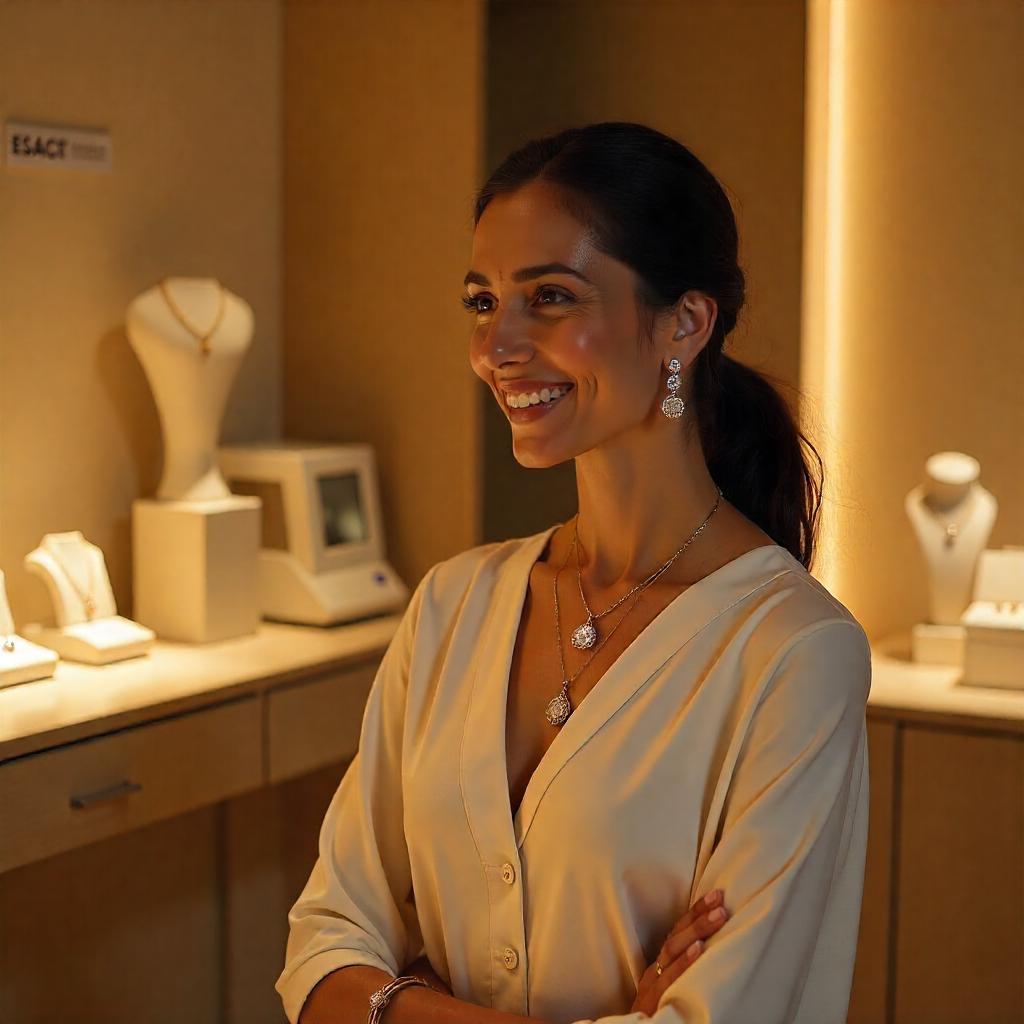
A young couple buys a stunning lab grown diamond ring for ₹4–5 lakh (around $5,000). It looks identical to a mined diamond, saves money, and aligns with their values. Five years later, they try to resell it—only to discover offers are far lower than expected. Why? Since 2018, lab grown diamond prices have dropped nearly 70%, reshaping how these rings perform as long-term assets.
So the real question is: Do lab grown diamond rings hold their value over time—or should you buy them purely for love, not investment?
This guide breaks it all down with real data, resale trends, expert insights, and clear takeaways so you know exactly what to expect before buying.
What Makes Lab Grown Diamonds Different?
At first glance, lab grown and mined diamonds look the same. Even professionals struggle to tell them apart without advanced equipment. But when it comes to pricing and long-term value, key differences matter.
In 2025, a 1–2 carat lab grown diamond ring typically costs $2,000–$10,000, while a similar mined diamond ring can range from $5,000–$50,000, depending on quality and brand. That lower entry price is attractive—but it also influences resale value.
Production Process
Lab grown diamonds are created using advanced technology rather than mined from the earth.
Two main methods are used:
-
CVD (Chemical Vapor Deposition)
-
HPHT (High Pressure High Temperature)
Both methods produce diamonds that are 100% carbon, just like natural diamonds. Their crystal structure, hardness, fire, and brilliance are identical.
As one GIA gemologist puts it:
“Identical sparkle—just made at lab speed.”
The key difference? Speed and scalability. What nature takes billions of years to form, labs create in weeks.
Initial Cost Savings
One of the biggest advantages of a lab grown diamond ring is the upfront price.
-
40–80% cheaper at purchase than mined diamonds
-
Example: A ₹2.5 lakh ($3,000) lab grown ring versus a ₹10 lakh ($12,000) mined “twin”
For many buyers, this means a larger stone, better clarity, or a more intricate setting—all within budget.
Smart buyer takeaways:
-
Shop from certified, transparent sellers
-
Always check the 4Cs (cut, color, clarity, carat)
-
Don’t overpay just because it’s “trendy”
Quality and Appearance Test
In blind tests, only 1 in 5 professional jewelers can correctly identify a lab grown diamond by sight alone. To the naked eye, there’s no visible difference.
However, for resale and insurance, paperwork matters. Rings with GIA or IGI certification consistently perform better in the secondary market.
Actionable tip:
If resale value matters at all, always choose a certified lab grown diamond ring.
How Do They Retain Value Compared to Mined Diamonds?
This is where expectations need to be realistic.
Historically, mined diamonds retain around 50% of their value after 10 years (sometimes more for rare stones). Lab grown diamonds, on average, retain only 20–30% of their original price, based on 2024 resale platform data.
Resale Market Data
Recent trends show continued price pressure:
-
2025 prices dropped another 15% year-on-year
-
Increased production has flooded the market
-
Newer, cheaper stones compete directly with older ones
As one insurance expert from Jewelers Mutual explains:
“Flooded supply kills premiums.”
Unlike mined diamonds, lab diamonds don’t benefit from natural rarity.
Depreciation Over Time
A common scenario:
-
Buyer purchases a 2-carat lab grown diamond ring in 2019
-
Attempts resale in 2024–2025
-
Receives offers around 25% of original purchase price
Why depreciation happens faster:
-
Technology keeps improving, lowering production costs
-
No scarcity-driven price floor
-
Retail markups disappear instantly in resale
Insurance and Appraisal Insights
Insurance companies are practical:
-
About 90% value lab grown rings at purchase price only
-
Little to no appreciation is assumed
Best practices:
-
Keep receipts and certificates
-
Take detailed photos
-
Update appraisals only for insurance, not resale expectations
Key Factors That Boost or Hurt Lab Grown Ring Value
While overall depreciation is real, some choices can improve outcomes.
Certification and Grading Impact
Certification is non-negotiable for resale.
-
GIA-certified lab diamonds perform best
-
Certified stones can fetch up to 50% more than uncertified ones on secondary platforms
Must-do tips:
-
Avoid ungraded stones
-
Choose excellent or ideal cut
-
Pair the diamond with quality metals like platinum or 18K gold
Market Demand Shifts
Demand for lab grown diamonds is strong and growing:
-
45% of engagement rings in the U.S. are now lab grown (2025 data)
-
Ethical and budget-conscious buyers continue to drive demand
However, there’s a risk: if production keeps rising faster than demand, oversupply can push resale values even lower.
As the CEO of a major lab diamond retailer notes:
“Demand is steady for ethics—but pricing pressure is real.”
Design and Brand Influence
Not all lab grown diamond rings resell the same.
-
Branded rings resell 10–20% better than generic ones
-
Example: A Vrai lab ring may hold ~35% value, while a no-name ring holds closer to 15%
Actionable advice:
-
Choose timeless designs (solitaire, classic halo)
-
Avoid overly trendy settings
-
Brand reputation adds trust in resale
Real-World Examples and Future Outlook
Success Stories in Resale
Some sellers beat expectations:
-
A Reddit user resold a 1.5-carat lab grown ring with only 28% loss
-
Platforms like Worthy average $1,200 per carat for quality lab stones
These cases usually involve certification, good branding, and realistic pricing.
Lessons from Failed Resales
On the flip side:
-
Uncertified lab rings often sell for near scrap value
-
Buyers assume lab diamonds behave like mined ones—and get disappointed
As one estate jeweler bluntly puts it:
“Treat lab grown diamond rings as fashion, not heirlooms.”
2025 Trends and Practical Advice
Looking ahead:
-
Luxury brands entering the lab diamond space are up 30%
-
Prices may stabilize by 2026 if supply and demand balance
Key takeaways for buyers:
-
Buy a lab grown diamond ring for joy, ethics, and value upfront
-
Store it well and keep documentation
-
Watch major players like De Beers and their lab-grown strategies
Conclusion: Should You Worry About Value Retention?
So, do lab grown diamond rings hold their value over time?
The honest answer: not as well as mined diamonds. Faster production, lack of rarity, and falling prices mean lab rings depreciate more quickly.
But that doesn’t make them a bad choice—far from it. A lab grown diamond ring is perfect for buyers who value affordability, sustainability, and modern values over resale profits.
Final action steps:
-
Prioritize certification and quality
-
Choose classic designs
-
Buy for love and wear, not for flipping
Have you tried reselling a lab grown diamond ring—or are you considering one? Share your story in the comments, and explore our full lab grown vs. mined diamond buyer’s guide to make the smartest choice.
- Digital Agency
- Literie
- Location de voitures
- Restaurant
- Restaurant
- Mode
- Mode
- Information
- Marketing
- Tourisme
- Développement
- Découverte
- Législation
- Gastronomie
- Pâtisserie
- Evento
- Art
- Causes
- Crafts
- Dance
- Drinks
- Film
- Fitness
- Food
- Giochi
- Gardening
- Health
- Home
- Literature
- Music
- Networking
- Altre informazioni
- Party
- Religion
- Shopping
- Sports
- Theater
- Wellness
 Italiano
 Indian
 English
 French
 Arabic
 Spanish
 Portuguese
 Deutsch
 Turkish
 Dutch
Dutch
 Russian
 Romaian
 Portuguese (Brazil)
 Greek
Greek
