


Lightning Arrester System Safety Requirements
Introduction
A properly installed Lightning Arrester System in Bangladesh is essential for safeguarding homes and businesses against lightning strikes. Companies like RKW GROUP ensure that safety standards, earthing, and installation practices meet both local and international requirements, providing reliable protection for people and property in storm-prone areas.
1. Why Lightning Safety Matters in Bangladesh
Bangladesh experiences some of the highest lightning strike rates in the world, particularly during the monsoon season. High humidity, warm temperatures, and frequent thunderstorms create a perfect storm for lightning.
Without proper safety measures, homes, offices, and industrial buildings are at risk of fire, structural damage, and electrical hazards.
2. Understanding a Lightning Arrester System
Before diving into safety requirements, let’s understand what a Lightning Arrester System in Bangladesh does. Essentially, it:
-
Provides a preferred path for lightning to reach the ground safely
-
Prevents lightning from striking critical structures
-
Protects electrical equipment and appliances from high voltage surges
-
Reduces the risk of fire and injury
3. Key Components of a Safe Lightning Arrester System
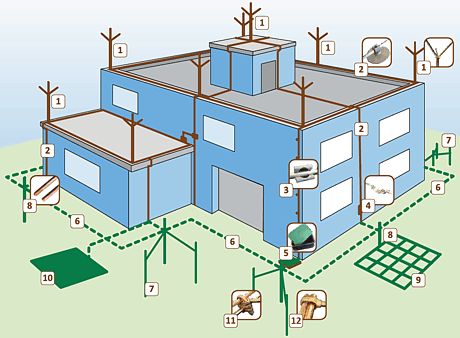
A safe lightning arrester system consists of several essential components:
-
Air Terminals (Lightning Rods): Installed at the highest point to attract lightning
-
Down Conductors: Thick metal conductors that carry lightning current to the ground
-
Earthing System: The foundation that safely dissipates energy into the soil
-
Surge Protection Devices (SPD): Protect indoor appliances and electronics from voltage spikes
-
Bonding Connectors: Connect all metal parts to prevent side flashes
4. Earthing Requirements for Maximum Safety
Proper earthing is the backbone of any safe lightning protection system. Key requirements include:
-
Earthing resistance below 1–2 ohms for homes
-
Use of copper or galvanized iron rods
-
Multiple earthing pits for larger buildings
-
Chemical backfilling in dry soil
-
Proper bonding with metallic structures
Without adequate earthing, lightning energy can travel through unwanted paths, causing damage and hazards.
5. Installation Safety Standards
Bangladesh follows both international and national safety standards to ensure protection:
-
IEC 62305: International lightning protection standard
-
BNBC Guidelines: Bangladesh National Building Code
-
NFPA 780: Fire protection and lightning safety code
Professional companies like RKW GROUP follow these standards to ensure correct installation, safe material use, and proper grounding.
6. Safe Installation Practices
A lightning arrester system must be installed by trained professionals. Key safety practices include:
-
Positioning air terminals at the highest points of a structure
-
Using thick, low-resistance down conductors
-
Avoiding sharp bends in conductors
-
Maintaining proper distance between earth pits
-
Bonding all metallic structures like water tanks, railings, and solar panels
-
Installing SPDs in the main electrical panel
Correct installation reduces the risk of fire, electric shock, and equipment damage.
7. Material Quality and Safety
Using high-quality materials is critical for system reliability. For safety:
-
Use corrosion-resistant copper or GI conductors
-
Avoid cheap or low-grade rods
-
Ensure mechanical strength of lightning rods to withstand storms
-
Use certified surge protection devices for indoor safety
Materials directly affect how well the Lightning Arrester System in Bangladesh performs during a strike.
8. Distance and Placement Safety
The positioning of lightning arrester components is essential:
-
Air terminals should cover all vulnerable points on the roof
-
Down conductors should be spaced according to building height and roof design
-
Earthing pits should be separated to avoid overlapping currents
-
Metal objects like pipes and railings must be bonded
Incorrect placement can allow lightning to jump to unintended areas, defeating the safety measures.
9. Maintenance for Long-Term Safety
Even the best-installed system can fail if not maintained. Safety maintenance practices include:
-
Regular inspection of rods and conductors
-
Testing earthing resistance every 6–12 months
-
Replacing corroded or damaged components
-
Checking SPDs and replacing if faulty
-
Ensuring chemical earthing compounds are intact
Routine maintenance keeps the system reliable throughout its lifetime.
10. Common Safety Mistakes and How to Avoid Them
Many accidents happen because people overlook basic safety rules:
-
Installing only a lightning rod without proper earthing
-
Using thin or corroded conductors
-
Not bonding metallic structures
-
Skipping SPDs
-
DIY installations without professional supervision
Avoiding these mistakes ensures that the system truly protects lives and property.
11. Safety Considerations for Residential vs Industrial Buildings
Residential Safety
-
One or two air terminals on the roof
-
1–2 earthing pits with resistance below 2 ohms
-
SPDs for household electronics
Industrial Safety
-
Multiple air terminals and down conductors
-
Mesh or grid protection for large roofs
-
Several earthing pits with resistance below 1 ohm
-
Heavy-duty SPDs for machines and servers
-
Comprehensive bonding of all metal structures
The scale and complexity of the building dictate safety requirements.
12. Lightning Arrester System Testing and Certification
Safety also involves proper testing:
-
Earth Resistance Testing: Confirms that the current will safely dissipate
-
Continuity Test: Ensures conductors and rods are connected without breaks
-
SPD Testing: Checks that surge protection devices function correctly
Certified installations by companies like RKW GROUP guarantee compliance with safety standards.
13. Special Safety Measures in Bangladeshi Weather
Bangladesh’s unique climate requires extra precautions:
-
Frequent thunderstorms require robust rods and conductors
-
High humidity accelerates corrosion—use corrosion-resistant materials
-
Roof water tanks and solar panels must be bonded to prevent side flashes
-
Monsoon soil moisture affects earthing—proper backfill and chemical compounds maintain conductivity
These measures ensure the Lightning Arrester System in Bangladesh performs reliably year-round.
14. Why Professional Installation Is Crucial
DIY or poorly installed systems can be dangerous. Professional installation ensures:
-
Correct design based on building size and type
-
Compliance with international safety standards
-
Proper material selection
-
Accurate testing and certification
-
Long-term maintenance planning
Companies like RKW GROUP provide professional expertise, ensuring maximum safety for every client.
Conclusion
A reliable Lightning Arrester System in Bangladesh is more than just a rod on the roof—it’s a full system designed to protect lives and property. With professional installation and maintenance from RKW GROUP, homeowners and businesses can ensure safety, compliance, and peace of mind during lightning storms.
- Digital Agency
- Literie
- Location de voitures
- Restaurant
- Restaurant
- Mode
- Mode
- Information
- Marketing
- Tourisme
- Développement
- Découverte
- Législation
- Gastronomie
- Pâtisserie
- Мероприятие
- Art
- Causes
- Crafts
- Dance
- Drinks
- Film
- Fitness
- Food
- Игры
- Gardening
- Health
- Главная
- Literature
- Music
- Networking
- Другое
- Party
- Religion
- Shopping
- Sports
- Theater
- Wellness
 Russian
 Indian
 English
 French
 Arabic
 Spanish
 Portuguese
 Deutsch
 Turkish
 Dutch
Dutch
 Italiano
 Romaian
 Portuguese (Brazil)
 Greek
Greek
