


What Affects the Cost of AdWords Keywords Directly
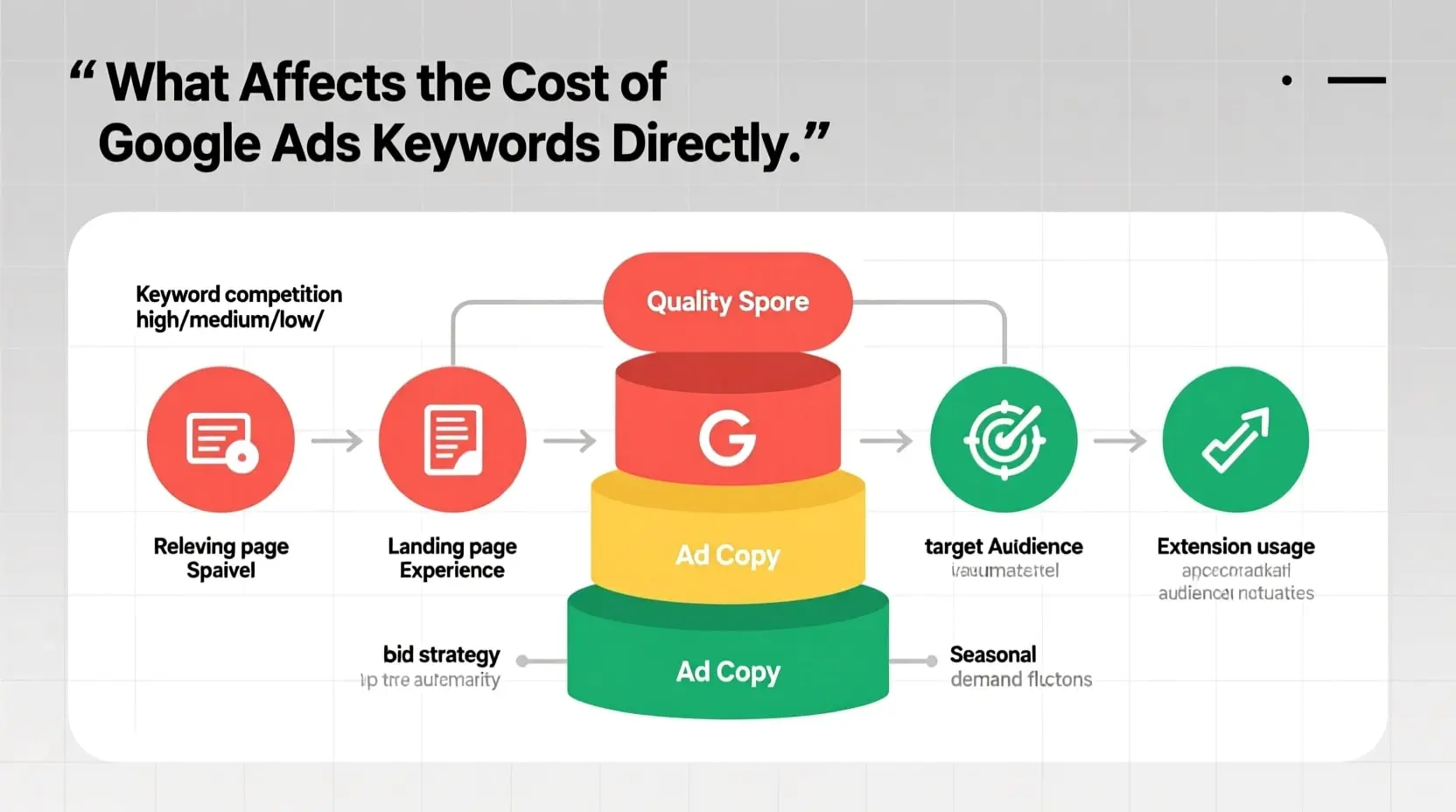
Understanding what drives pricing in paid search advertising is crucial for any business looking to maximize their marketing budget. The cost of AdWords keywords varies significantly based on numerous factors that advertisers must comprehend before launching their campaigns. Whether you're a small business owner or a marketing professional, knowing these price-determining elements can help you make smarter bidding decisions and achieve better returns on your investment.
Google Ads operates on an auction-based system where advertisers compete for visibility on search engine results pages. However, simply having the highest bid doesn't guarantee success. Multiple interconnected factors work together to determine what you'll actually pay when someone clicks on your advertisement.
Understanding Quality Score and Its Impact
Quality Score stands as one of the most influential factors in determining your advertising costs. Google assigns this rating on a scale from 1 to 10, evaluating the relevance and quality of your keywords, ads, and landing pages.
A higher Quality Score translates directly into lower costs per click. Google rewards advertisers who provide valuable, relevant experiences to users. When your Quality Score is excellent, you can outrank competitors while paying less per click than they do.
Three primary components affect your Quality Score: expected click-through rate, ad relevance, and landing page experience. Improving any of these elements can significantly reduce your overall spending while maintaining or even improving your ad positions.
How Competition Levels Determine the Cost of AdWords Keywords
The competitive landscape within your industry plays a massive role in pricing. When multiple advertisers target identical search terms, the auction becomes more aggressive, driving prices upward.
Industries like insurance, legal services, and finance consistently show the highest keyword costs because numerous well-funded companies compete for the same customers. A single click in these sectors can cost anywhere from $50 to over $100.
Conversely, niche markets with fewer competitors often enjoy substantially lower prices. Understanding your competitive environment helps you identify opportunities where you can gain visibility without exhausting your budget.
Seasonal fluctuations also impact competition levels. Retail keywords spike dramatically during holiday shopping seasons, while tax-related terms become more expensive as filing deadlines approach.
The Role of Industry and Business Type
Different industries experience vastly different pricing structures. This variance stems from customer lifetime value considerations and profit margins within each sector.
Businesses where a single customer represents thousands of dollars in potential revenue can justify paying premium prices for clicks. Law firms, for instance, might pay $200 per click because one converted client could generate $50,000 or more in fees.
Smaller ticket businesses typically encounter more affordable pricing because the economics simply don't support expensive keyword bidding. E-commerce stores selling $20 products cannot sustain $15 click costs and remain profitable.
Geographic Targeting Considerations
Where you choose to display your advertisements significantly influences costs. Targeting major metropolitan areas like New York, Los Angeles, or Chicago typically commands premium prices due to increased competition and higher population density.
Smaller cities and rural areas generally offer more affordable advertising opportunities. Businesses can strategically focus on less competitive geographic regions to stretch their budgets further while still reaching qualified customers.
International targeting adds another dimension to pricing considerations. Advertising costs vary dramatically between countries, with developed markets typically being more expensive than emerging ones.
Device Targeting and Its Effect on Pricing
The devices you choose to target impact your keyword expenses. Mobile, desktop, and tablet users represent different competitive landscapes, and bids can be adjusted accordingly.
Mobile searches have grown tremendously, and competition for mobile visibility has intensified in many industries. Some advertisers focus exclusively on mobile users, while others concentrate on desktop visitors who may have higher conversion rates for certain products.
Understanding your audience's device preferences allows for smarter bid adjustments that can reduce costs while maintaining effective reach.
Keyword Match Types and Their Influence
The match type you select for your keywords directly affects both costs and reach. Broad match keywords typically generate more impressions but may attract less qualified traffic, potentially wasting budget on irrelevant clicks.
Exact match keywords usually cost more per click but deliver highly targeted traffic. These searchers are looking for precisely what you offer, making conversions more likely despite higher initial costs.
Phrase match provides a middle ground, offering reasonable targeting precision while maintaining decent reach. Strategic use of match types helps optimize spending efficiency.
Ad Position and Bidding Strategy
Your desired ad position influences how much you'll pay. Top positions on search results pages command premium prices, while lower placements come at reduced costs.
Automated bidding strategies offered by Google can help optimize your spending based on specific goals. Target CPA, target ROAS, and maximize conversions strategies use machine learning to adjust bids in real time.
Manual bidding gives you complete control but requires constant monitoring and adjustment. Many advertisers use a hybrid approach, combining automated strategies with manual oversight.
Time of Day and Day of Week Variations
When your ads appear affects costs. Peak business hours often see increased competition and higher prices as more advertisers actively bid during these periods.
Scheduling ads during off-peak times can reduce expenses while still capturing qualified leads. B2B advertisers might focus on business hours, while B2C companies could find success during evenings and weekends.
Testing different scheduling approaches helps identify the most cost-effective times to reach your target audience.
Landing Page Quality and Relevance
Your landing page experience doesn't just affect Quality Score—it influences your entire advertising efficiency. Pages that load quickly, display correctly on mobile devices, and deliver relevant content earn better ratings.
Investing in landing page optimization produces compound benefits. Better experiences improve quality scores, reduce costs, and increase conversion rates simultaneously.
Final Thoughts on Managing Your Advertising Investment
Mastering the factors that influence the cost of AdWords keywords requires ongoing education and continuous optimization. No single element operates in isolation—each factor interconnects with others to determine your final costs.
Successful advertisers regularly monitor their campaigns, test new approaches, and adjust strategies based on performance data. By understanding these pricing dynamics, you can make informed decisions that maximize your advertising effectiveness while controlling expenses.
Start by focusing on Quality Score improvements and competitive analysis, then refine your targeting options to find the optimal balance between cost and performance for your specific business goals.
- Digital Agency
- Literie
- Location de voitures
- Restaurant
- Restaurant
- Mode
- Mode
- Information
- Marketing
- Tourisme
- Développement
- Découverte
- Législation
- Gastronomie
- Pâtisserie
- Evento
- Art
- Causes
- Crafts
- Dance
- Drinks
- Film
- Fitness
- Food
- Jogos
- Gardening
- Health
- Início
- Literature
- Music
- Networking
- Outro
- Party
- Religion
- Shopping
- Sports
- Theater
- Wellness
 Portuguese (Brazil)
 Indian
 English
 French
 Arabic
 Spanish
 Portuguese
 Deutsch
 Turkish
 Dutch
Dutch
 Italiano
 Russian
 Romaian
 Greek
Greek
