


Sea Freight China to Pakistan: Complete Shipping Guide
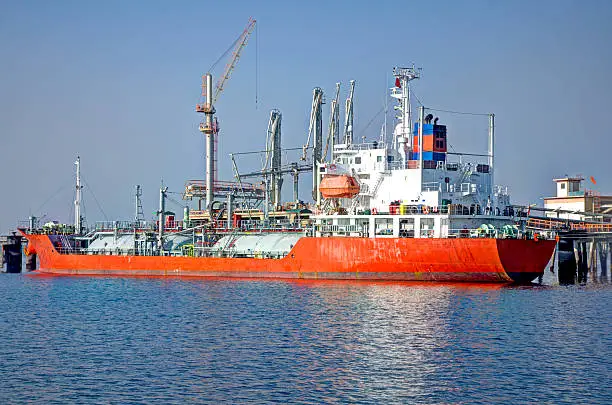
Sea freight remains one of the most reliable and economical transportation methods for importing goods Sea Freight China to Pakistan . With thousands of Pakistani businesses depending on China for raw materials, electronics, machinery, textiles, and consumer products, sea freight is the backbone of China–Pakistan trade. This guide provides a complete breakdown of the sea freight process, including shipping times, costs, documentation, customs, container options, and practical tips to make your shipment smooth and cost-efficient.
1. Why Sea Freight Is the Best Choice for Shipping from China to Pakistan
Sea freight is ideal for bulk shipments and large cargo volumes. Compared to air freight, it is significantly cheaper yet still offers dependable transit times. Most importers prefer sea freight because it supports all cargo types, from general goods to refrigerated items, machinery, and hazardous materials.
China offers world-class port infrastructure with efficient global connectivity, while Pakistan’s Karachi and Port Qasim handle thousands of containers monthly. For long-term business operations, sea freight provides stability, scalability, and cost savings.
2. Key Ports Used for China–Pakistan Sea Cargo
China has several major export ports that frequently ship to Pakistan. These include Shanghai, Shenzhen, Ningbo, Guangzhou, Qingdao, Xiamen, and Tianjin. Each port is connected to international lanes, providing regular vessel schedules to Pakistan.
On the Pakistan side, the primary receiving ports are Karachi Port (KPT) and Port Qasim, both located in Karachi. Gwadar Port is growing in potential but currently handles limited container traffic. Karachi serves as the main gateway for commercial sea imports due to its capacity and advanced handling facilities.
3. Main Shipping Methods: FCL and LCL Explained
When importing goods by sea, you can ship using Full Container Load (FCL) or Less than Container Load (LCL).
FCL means you book an entire 20-foot or 40-foot container exclusively for your cargo. This method is ideal for bulk shipments, sensitive goods, or shipments needing maximum security. FCL offers faster handling, fewer damage risks, and better cost efficiency per cubic meter.
LCL is used when your cargo does not fill a full container. Your goods share space with shipments from other importers. Although slightly slower due to consolidation, LCL is perfect for small to medium-size shipments, startups, or e-commerce sellers who want flexibility without committing to a full container.
4. Transit Time for Sea Freight from China to Pakistan
Transit time varies depending on the port pair, weather conditions, vessel schedules, and customs procedures. Generally, shipments from major Chinese ports to Karachi or Port Qasim take approximately 14 to 28 days.
Transit time can stretch slightly during peak seasons such as Chinese New Year or heavy monsoon months. Importers should also consider additional time for customs clearance, port handling, and last-mile delivery. Overall, the entire process usually ranges from 20 to 35 days from factory to destination.
5. What Determines the Cost of Sea Freight?
Sea freight costs from China to Pakistan depend on several factors. Container type and size play a major role, with rates varying between 20-foot, 40-foot, and 40HQ containers. LCL shipments are calculated based on CBM (cubic meter), weight, and shipping route.
Port charges, handling fees, seasonal variations, and fuel surcharges can influence total cost. Importers also need to factor in trucking fees in China, customs clearance fees in Pakistan, and any additional services such as packaging or warehousing.
To keep shipping expenses under control, it is recommended to compare freight quotes, plan shipments during off-peak seasons, and consolidate cargo whenever possible.
6. Essential Documents Required for Sea Freight Shipping
Proper documentation is crucial for smooth shipping and customs clearance. The primary documents include the Commercial Invoice, Packing List, and Bill of Lading (B/L). These documents contain the key details of the shipment and must match to avoid delays.
Other required documents may include the Certificate of Origin, HS code details, and export licenses where required. In Pakistan, importers must provide NTN, STRN, and relevant customs declarations. Ensuring accurate paperwork reduces the chances of inspection, penalties, or unexpected delays at the port.
7. Types of Containers Used in China–Pakistan Sea Cargo
Different types of containers are available depending on your cargo. Standard dry containers are the most commonly used for general goods. High cube containers provide extra height for bulky cargo. Open-top and flat-rack containers are suitable for oversized machinery and equipment, allowing easy loading from the top or sides.
Reefer containers are used for temperature-sensitive goods like food items, pharmaceuticals, and chemicals. Selecting the right container ensures product safety and compliance with shipping regulations.
8. Customs Clearance Process in China and Pakistan
The customs process begins in China, where the supplier prepares export documents and the freight forwarder handles customs declaration. Once the goods pass export inspection, they are moved to the port, loaded into containers, and shipped.
In Pakistan, customs clearance begins with inspection and verification. Authorities check documents, match HS codes, and calculate duties and taxes. After payment and approval, the container is released for local transportation. Experienced freight forwarders and customs brokers can speed up the process and avoid costly errors.
9. How to Choose the Right Freight Forwarder
Choosing a reliable freight forwarder is essential for a smooth shipping experience. Look for companies with expertise in China–Pakistan trade, strong tracking systems, transparent pricing, and a solid network of agents in China.
A good forwarder will handle shipping arrangements, provide accurate cost estimates, manage customs documentation, and offer door-to-door delivery if needed. Working with professionals reduces risks, prevents delays, and ensures your shipment arrives on time.
10. Tips to Reduce Sea Freight Costs from China to Pakistan
Importers can reduce sea freight costs by using FCL for larger shipments, consolidating orders, and planning shipments ahead of peak seasons. Efficient packaging reduces volume, saving money on CBM. Choosing direct routes, comparing multiple freight quotes, and leveraging long-term partnerships with forwarders can also help lower expenses.
For businesses importing regularly, negotiating annual contracts or using door-to-door shipping can bring additional savings and simplify logistics.
Conclusion
Sea freight from China to Pakistan is a dependable and cost-efficient shipping method for all types of businesses. With multiple port options, flexible container choices, predictable transit times, and affordable pricing, it remains the top choice for importers. By understanding the process, preparing accurate documentation, selecting the right freight forwarder, and following cost-saving strategies, you can ensure smooth and profitable shipments every time.
- Digital Agency
- Literie
- Location de voitures
- Restaurant
- Restaurant
- Mode
- Mode
- Information
- Marketing
- Tourisme
- Développement
- Découverte
- Législation
- Gastronomie
- Pâtisserie
- Evenement
- Art
- Causes
- Crafts
- Dance
- Drinks
- Film
- Fitness
- Food
- Spellen
- Gardening
- Health
- Home
- Literature
- Music
- Networking
- Overig
- Party
- Religion
- Shopping
- Sports
- Theater
- Wellness
 Dutch
Dutch
 Indian
 English
 French
 Arabic
 Spanish
 Portuguese
 Deutsch
 Turkish
 Italiano
 Russian
 Romaian
 Portuguese (Brazil)
 Greek
Greek
