


Slab Reheating Furnace: Key to Efficient Steel Production
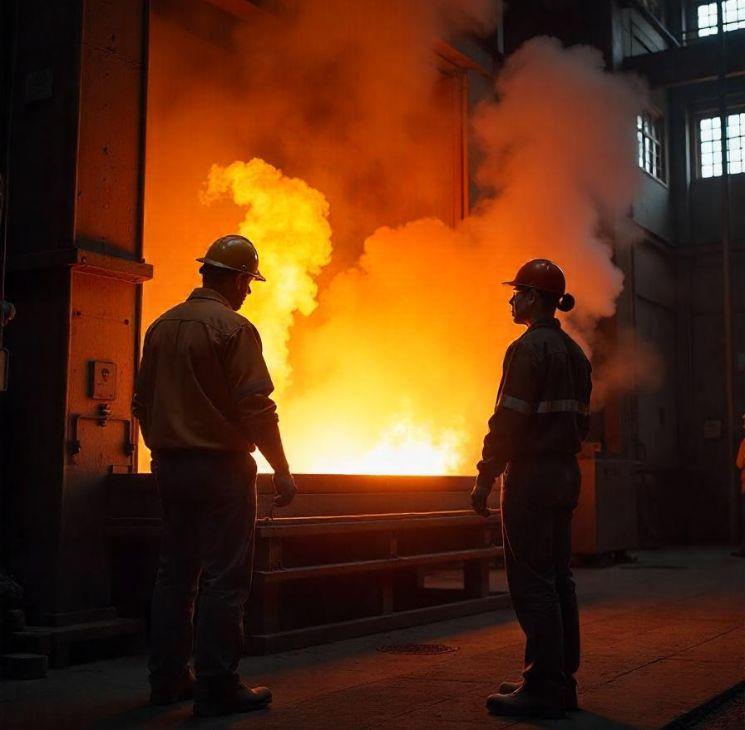
In the steel manufacturing industry, the quality of the final product depends heavily on the efficiency and reliability of the heating process. One critical equipment used in this process is the slab reheating furnace. A slab reheating furnace is essential for heating steel slabs to the desired temperature before rolling them into finished products. Efficient reheating ensures better mechanical properties, uniformity, and energy savings.
Trymaxfurnace is a leading provider of all types of furnace solutions, offering technologically advanced and reliable slab reheating furnaces to meet the needs of modern steel plants. This article explores the design, operation, advantages, and considerations for slab reheating furnaces.
What is a Slab Reheating Furnace?
A slab reheating furnace is an industrial furnace designed to heat steel slabs uniformly to high temperatures before they enter the rolling mill. Slabs are large rectangular pieces of steel that require controlled heating to ensure they can be shaped without defects. The furnace uses various heating mechanisms, primarily fuel-based (natural gas, oil, or coal) or electric, to raise the temperature of slabs typically between 1100°C and 1300°C.
These furnaces are engineered to maintain consistent temperature distribution, reduce oxidation, and minimize energy consumption while allowing continuous processing of steel slabs.
Types of Slab Reheating Furnaces
Slab reheating furnaces are broadly categorized based on their operational design and heating method:
-
Walking Beam Furnace
The walking beam furnace uses a series of moving beams to transport slabs through the furnace. This design ensures uniform heating because each slab is lifted slightly above the beams at intervals, allowing heat to reach all sides. -
Pusher-Type Furnace
In a pusher-type furnace, slabs are pushed through the furnace on a conveyor system. This design is suitable for high-capacity operations and offers relatively simple maintenance. However, uniform heating may require careful control of fuel and airflow. -
Rotary Hearth Furnace
Rotary hearth furnaces rotate slabs slowly while they are heated, providing consistent temperature across the slab. This type is often used for specialized steel products. -
Electric Slab Reheating Furnace
Electric furnaces use electrical resistance or induction heating. They are cleaner, more energy-efficient, and easier to control, making them ideal for modern steel plants focused on sustainability.
Key Components of a Slab Reheating Furnace
Understanding the components of a slab reheating furnace helps in optimizing its performance. The main parts include:
-
Burners
High-efficiency burners provide the heat necessary to raise the temperature of steel slabs. Modern designs use low-NOx burners to reduce environmental impact. -
Furnace Chamber
The chamber is insulated with refractory materials capable of withstanding high temperatures. Proper insulation ensures minimal heat loss and improves energy efficiency. -
Conveyor System or Walking Beams
This system moves slabs uniformly through the furnace. Proper design prevents uneven heating and reduces stress on the slabs. -
Temperature Control System
Advanced control systems monitor and adjust temperatures at multiple points to achieve uniform heating. Sensors and automation technology help in maintaining consistent slab quality. -
Exhaust System
Efficient exhaust systems remove combustion gases and maintain safe operational conditions while minimizing energy loss.
Advantages of Slab Reheating Furnaces
Investing in a high-quality slab reheating furnace brings several operational benefits:
-
Uniform Heating
Modern furnace designs ensure that the entire slab is heated evenly, reducing the risk of thermal stress, cracks, or other defects. -
Energy Efficiency
Advanced insulation, burner technology, and heat recovery systems significantly reduce fuel consumption and operational costs. -
Improved Steel Quality
Proper reheating optimizes the mechanical properties of steel, such as toughness, hardness, and ductility. -
Increased Productivity
Continuous furnaces, such as walking beam and pusher-type designs, allow for faster throughput without compromising quality. -
Environmental Compliance
Using low-emission burners and efficient combustion techniques helps steel plants comply with environmental regulations.
Considerations While Choosing a Slab Reheating Furnace
Selecting the right furnace is critical for maximizing productivity and efficiency. Key factors include:
-
Slab Dimensions and Weight
The furnace must accommodate the size and weight of the slabs being processed. -
Throughput Requirements
Plants with high production volumes require continuous furnaces with faster processing capabilities. -
Fuel Type and Availability
Choice of fuel—natural gas, oil, coal, or electricity—affects operational costs and environmental impact. -
Maintenance and Reliability
Furnaces with easily maintainable components and durable materials reduce downtime and repair costs. -
Temperature Uniformity and Control
Advanced control systems are necessary to achieve precise heating profiles, particularly for high-grade steel production.
Role of Automation in Modern Slab Reheating Furnaces
Automation has transformed slab reheating furnaces, making them safer, more efficient, and highly reliable. Modern systems feature:
-
Digital Temperature Profiling – Continuous monitoring and adjustment of slab temperatures.
-
Energy Management Systems – Optimize fuel usage and minimize heat losses.
-
Predictive Maintenance – Sensors detect potential issues before they lead to downtime.
-
Remote Monitoring – Operators can manage the furnace from control rooms or even offsite locations.
By integrating automation, steel plants achieve better product consistency, higher efficiency, and reduced environmental impact.
Applications of Slab Reheating Furnaces
Slab reheating furnaces are essential in various stages of steel production:
-
Hot Rolling Mills – Slabs are reheated to the rolling temperature before being shaped into sheets, plates, or coils.
-
Specialty Steel Production – High-grade steels, stainless steels, and alloy steels require precise temperature control.
-
Industrial Steel Components – Beams, rails, and structural components benefit from controlled reheating to ensure durability and performance.
Why Choose Trymaxfurnace for Slab Reheating Furnaces?
Trymaxfurnace is recognized as a leading manufacturer of industrial furnaces, including slab reheating furnaces. With decades of experience in furnace technology, the company specializes in designing furnaces that are:
-
Energy-efficient
-
Technologically advanced
-
Durable and reliable
-
Compliant with environmental standards
Trymaxfurnace provides customized solutions tailored to the specific requirements of steel plants, ensuring optimal heating performance, uniform slab quality, and reduced operational costs.
Conclusion
A slab reheating furnace is more than just a heating unit—it is a critical component that determines the efficiency, quality, and cost-effectiveness of steel production. From ensuring uniform heating to reducing energy consumption and improving steel properties, these furnaces play a pivotal role in modern steel manufacturing.
For steel plants looking for reliable, high-performance solutions, Trymaxfurnace offers industry-leading expertise and a range of advanced slab reheating furnaces designed to meet every operational requirement. Investing in the right furnace technology ensures improved productivity, superior steel quality, and long-term operational efficiency.
- Digital Agency
- Literie
- Location de voitures
- Restaurant
- Restaurant
- Mode
- Mode
- Information
- Marketing
- Tourisme
- Développement
- Découverte
- Législation
- Gastronomie
- Pâtisserie
- Veranstaltung
- Art
- Causes
- Crafts
- Dance
- Drinks
- Film
- Fitness
- Food
- Spiele
- Gardening
- Health
- Startseite
- Literature
- Music
- Networking
- Andere
- Party
- Religion
- Shopping
- Sports
- Theater
- Wellness
 Deutsch
 Indian
 English
 French
 Arabic
 Spanish
 Portuguese
 Turkish
 Dutch
Dutch
 Italiano
 Russian
 Romaian
 Portuguese (Brazil)
 Greek
Greek
