


The Role of Labor Markets in Aggregate Supply Dynamics
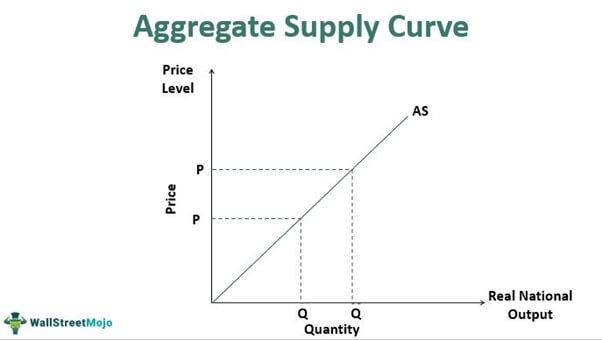
Labor markets are fundamental to understanding the behavior of aggregate supply in an economy. Aggregate supply (AS), which represents the total quantity of goods and services that producers in an economy are willing and able to supply at different price levels, is heavily influenced by labor market conditions.
The labor market, encompassing the supply of labor (workers) and the demand for labor (employers), plays a crucial role in shaping both short-run and long-run aggregate supply dynamics. This article examines the mechanisms through which labor markets influence supply, the interplay of wages, employment, and productivity, and the broader economic implications.
Labor Supply and Its Impact on Aggregate Supply
The labor supply is determined by the willingness and ability of individuals to work at different wage levels. Factors affecting labor supply include population size, demographic composition, labor force participation rates, educational attainment, and social or cultural norms regarding work. An increase in labor supply, all else equal, tends to shift the long-run aggregate (LRAS) curve to the right. This is because a larger workforce can produce more goods and services, enhancing the economy’s potential output.
For example, a country experiencing a surge in population due to immigration or higher birth rates may see an increase in the labor force. This expanded labor availability allows firms to hire more workers, leading to higher production capacity and, over time, economic growth. Conversely, labor shortages can constrain production, causing the LRAS curve to shift leftward, limiting the economy’s growth potential.
Labor Demand and Wage Determination
Labor demand, derived from firms’ production needs, is a critical determinant of short-run aggregate supply (SRAS). Firms demand labor to produce goods and services, and the number of workers they employ depends on wages, productivity, and the cost of capital. When labor demand rises, firms are willing to hire more workers at prevailing wage rates, which can increase total output and shift the SRAS curve to the right in the short run.
Wages, as the price of labor, are central to the interaction between labor markets and supply. In the short run, wages are often sticky due to contracts, social norms, or minimum wage laws. Sticky wages can lead to deviations from potential output. For instance, if the overall price level rises but wages remain fixed, firms’ labor costs decrease relative to revenue, incentivizing them to increase production. This increases the quantity of goods supplied, illustrating how labor market characteristics directly affect SRAS dynamics.
The Role of Productivity
Labor productivity—the output per worker—serves as a bridge between labor market dynamics and aggregate. Higher productivity allows firms to produce more without increasing labor inputs, effectively expanding aggregate. Productivity gains can arise from technological advancements, better education and training, improvements in organizational efficiency, or capital deepening (increased capital per worker).
When labor markets facilitate skill development and technological adoption, workers can produce more efficiently, enhancing both SRAS and LRAS. For example, investment in human capital, such as vocational training programs or higher education, improves the skills of the workforce, enabling higher output without necessarily increasing labor hours. Similarly, technological innovations that complement labor, such as automation and AI-driven tools, boost productivity and shift supply curves to the right.
Short-Run vs. Long-Run Dynamics
The impact of labor markets on aggregate differs in the short run and long run. In the short run, wage rigidity and adjustment lags in labor markets can cause output to deviate from potential levels. For instance, if labor costs are slow to adjust during an economic downturn, firms may reduce employment, decreasing output below potential, which affects SRAS. Conversely, in periods of economic expansion, sticky wages may delay adjustments in labor costs, temporarily increasing employment and production.
In the long run, labor markets are more flexible, and the economy tends to operate at full employment, where labor supply equals labor demand. Long-run supply is determined primarily by the availability of labor, capital, and technology rather than by short-term fluctuations in wages or employment. Policies that enhance labor force participation, improve worker mobility, or foster education and training can increase the economy’s productive capacity, shifting LRAS to the right and supporting sustainable economic growth.
Labor Market Policies and Aggregate Supply
Government policies influencing labor markets can have significant effects on aggregate. Minimum wage laws, labor regulations, unemployment benefits, and taxation affect labor supply, wage dynamics, and employment levels. While minimum wages may improve living standards for workers, excessively high minimum wages can reduce labor demand, potentially constraining short-run aggregate. Conversely, policies that promote labor force participation, such as childcare support or retraining programs, can increase labor supply and enhance aggregate output.
Labor unions and collective bargaining also influence supply dynamics. Strong unions may negotiate higher wages, which can increase household income and consumption, boosting aggregate demand. However, if wage increases outpace productivity gains, firms may face higher costs, reducing SRAS. Balancing wage growth with productivity improvements is crucial to maintaining stable aggregate dynamics.
Globalization and Labor Market Integration
In a globalized economy, labor market dynamics extend beyond national borders. Migration, international labor competition, and offshoring affect domestic labor supply and wage structures. Access to global talent pools can alleviate domestic labor shortages and enhance productivity, increasing aggregate. However, exposure to international labor competition may exert downward pressure on wages in certain sectors, influencing the short-run supply curve. Understanding these global labor market interactions is essential for comprehensive aggregate analysis.
Conclusion
Labor markets are central to the dynamics of aggregate supply, influencing both short-run fluctuations and long-term economic potential. Labor supply determines the availability of workers, labor demand shapes employment and wage levels, and productivity mediates the efficiency of labor utilization. Government policies, technological changes, and globalization further modify labor market outcomes, with direct implications for aggregate.
In the short run, wage rigidity, labor shortages, or excess demand can cause output to deviate from potential, affecting SRAS. In the long run, labor market flexibility, human capital development, and technological progress shape LRAS, determining the economy’s growth capacity.
Effective management of labor markets, through policies that enhance labor supply, productivity, and workforce adaptability, is therefore critical to promoting sustainable economic growth and stability.\
- Digital Agency
- Literie
- Location de voitures
- Restaurant
- Restaurant
- Mode
- Mode
- Information
- Marketing
- Tourisme
- Développement
- Découverte
- Législation
- Gastronomie
- Pâtisserie
- مناسبة
- Art
- Causes
- Crafts
- Dance
- Drinks
- Film
- Fitness
- Food
- الألعاب
- Gardening
- Health
- الرئيسية
- Literature
- Music
- Networking
- أخرى
- Party
- Religion
- Shopping
- Sports
- Theater
- Wellness
 Arabic
 Indian
 English
 French
 Spanish
 Portuguese
 Deutsch
 Turkish
 Dutch
Dutch
 Italiano
 Russian
 Romaian
 Portuguese (Brazil)
 Greek
Greek
