


What are the symptoms and causes of glaucoma
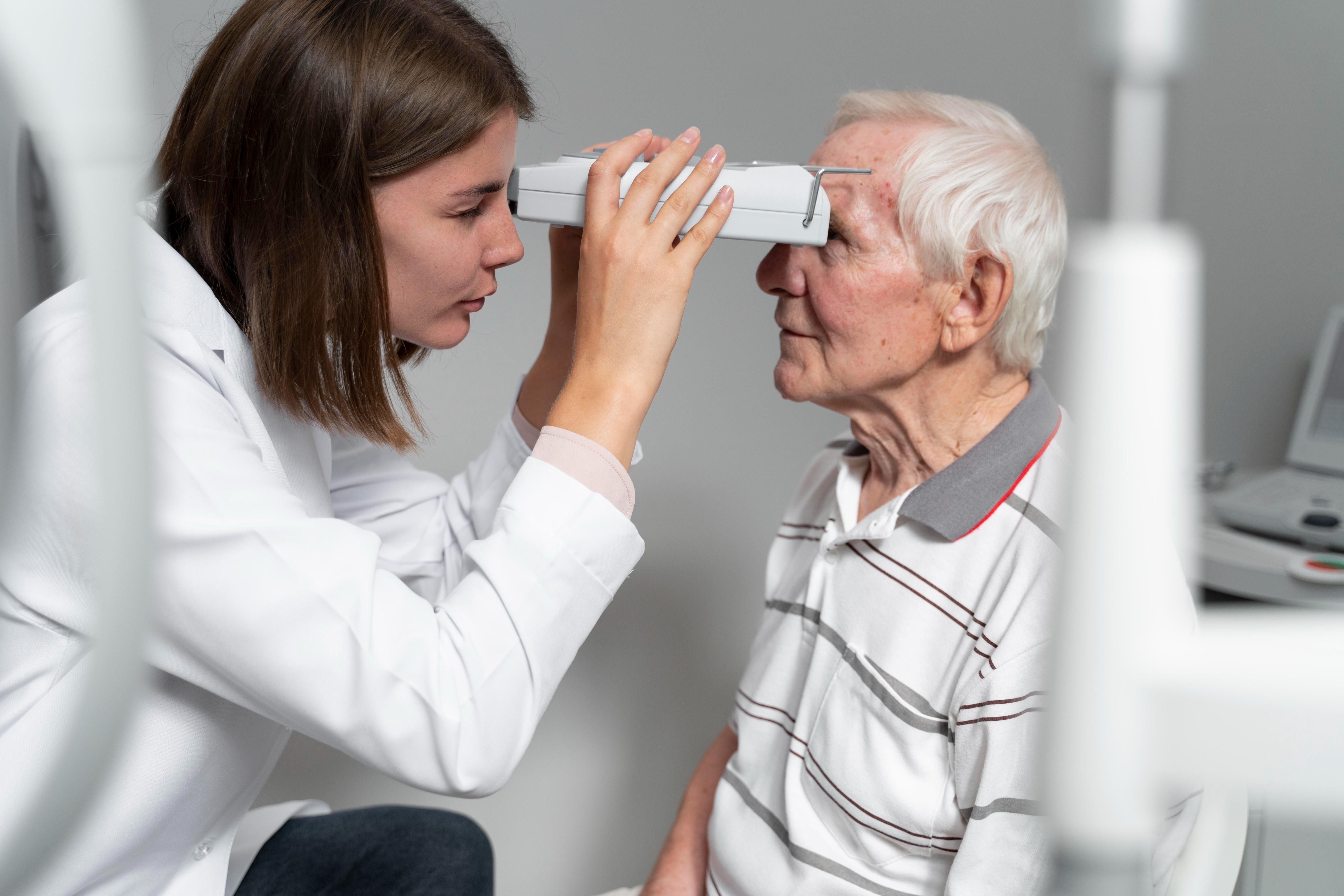
What is glaucoma?
Glaucoma is a general term that encompasses eye diseases that cause increased pressure within the eyeball, which can damage the fragile and critical areas at the back of the eye. Most of these diseases are progressive, meaning they gradually worsen. As they worsen, they can lead to permanent vision loss and blindness. Glaucoma is the second leading cause of blindness worldwide.
Discovering that you have glaucoma or are at risk for it can be difficult to understand. For most people, sight is the sense they use most in their daily lives. It can be frightening to imagine having to adjust and navigate life after severe vision loss. However, most forms of glaucoma are treatable, especially if diagnosed early. With careful management, it is possible to delay or even prevent permanent vision loss.
Types of Glaucoma
There are two main types:
- Open-angle glaucoma: This is the most common type. Your doctor may also call it wide-angle glaucoma. The trabecular meshwork of the eye appears intact, but fluid does not drain properly.
- Narrow-angle glaucoma: More common in Asia, it is also called acute angle-closure glaucoma, chronic angle-closure glaucoma, or narrow-angle glaucoma. The eye does not drain properly because the drainage space between the iris and cornea narrows too much.
What does glaucoma feel like?
With the exception of acute angle-closure glaucoma, most cases of glaucoma cause numbness, especially in the early stages. Symptoms of acute angle-closure glaucoma come on quickly. It is often described as "the worst eye pain of my life." Symptoms include:
- Severe, throbbing eye pain
- Eye redness
- Headache
- Blurred or cloudy vision
- Halos around lights
- Dilated pupils
- Nausea and vomiting
This type of Glaucoma is a medical emergency. Seek medical attention immediately. Damage to the optic nerve can occur within hours and, if not treated within 6 to 12 hours, can lead to severe and permanent vision loss, blindness, and even dilated pupils.
What are the symptoms of glaucoma?
In its early stages, glaucoma can be asymptomatic. Therefore, up to half of people with glaucoma in the United States are unaware they have it. Furthermore, symptoms may not appear until the disease has caused irreversible damage.
Some of the most common symptoms of glaucoma include:
- Eye pain or pressure
- Headache
- Red or bloodshot eyes
- Double vision
- Blurred vision
- Gradual onset of low vision
- Gradual appearance of blind spots or visual field defects, such as tunnel vision
Some types of glaucoma, particularly angle-closure glaucoma, can cause sudden and severe symptoms that require immediate medical attention to prevent permanent vision loss. Emergency symptoms of glaucoma include:
- Collection of blood in front of the iris
- Swelling of the eyeballs
- Nausea and vomiting accompanied by eye pain/pressure
- Rainbow halos around lights
- Sudden onset or increase in floaters
- Sudden loss of vision of any type
- Sudden perception of flashes of light
Causes
Glaucoma develops when the optic nerve is damaged. As the condition of this nerve worsens, blind spots appear. For reasons that ophthalmologists do not fully understand, this nerve damage is often related to increased intraocular pressure.
The increased intraocular pressure is due to the accumulation of fluid circulating within the eye. This fluid, called aqueous humor, usually drains through a tissue located at the angle where the iris meets the cornea. This tissue is called the trabecular meshwork. The cornea is essential for vision because it allows light to pass through. When the eye produces too much fluid or the drainage system doesn't work properly, eye pressure can increase.
How is glaucoma treated?
The main priority in glaucoma treatment is to prevent its worsening by reducing intraocular pressure (IOP).
The most common treatments include:
- Medications: These are primarily medications that lower intraocular pressure. They can prevent the development of glaucoma in cases of higher-than-normal intraocular pressure or prevent it from worsening to the point of causing damage and symptoms.
- Glaucoma surgeries: Their main objective is to improve aqueous humor drainage to reduce intraocular pressure. Surgical options include trabeculectomy, tubular shunts, laser treatment, and minimally invasive glaucoma surgery.
Other treatments are available, depending on the type of glaucoma you have, its impact on the eye, and other factors. Your ophthalmologist can discuss your treatment options and help you choose the one that best suits your needs.
Visit here: Royalpharmacart
- Digital Agency
- Literie
- Location de voitures
- Restaurant
- Restaurant
- Mode
- Mode
- Information
- Marketing
- Tourisme
- Développement
- Découverte
- Législation
- Gastronomie
- Pâtisserie
- Evento
- Art
- Causes
- Crafts
- Dance
- Drinks
- Film
- Fitness
- Food
- Juegos
- Gardening
- Health
- Inicio
- Literature
- Music
- Networking
- Otro
- Party
- Religion
- Shopping
- Sports
- Theater
- Wellness
 Spanish
 Indian
 English
 French
 Arabic
 Portuguese
 Deutsch
 Turkish
 Dutch
Dutch
 Italiano
 Russian
 Romaian
 Portuguese (Brazil)
 Greek
Greek
