


How to Maintain and Clean Aluminium Door Handles
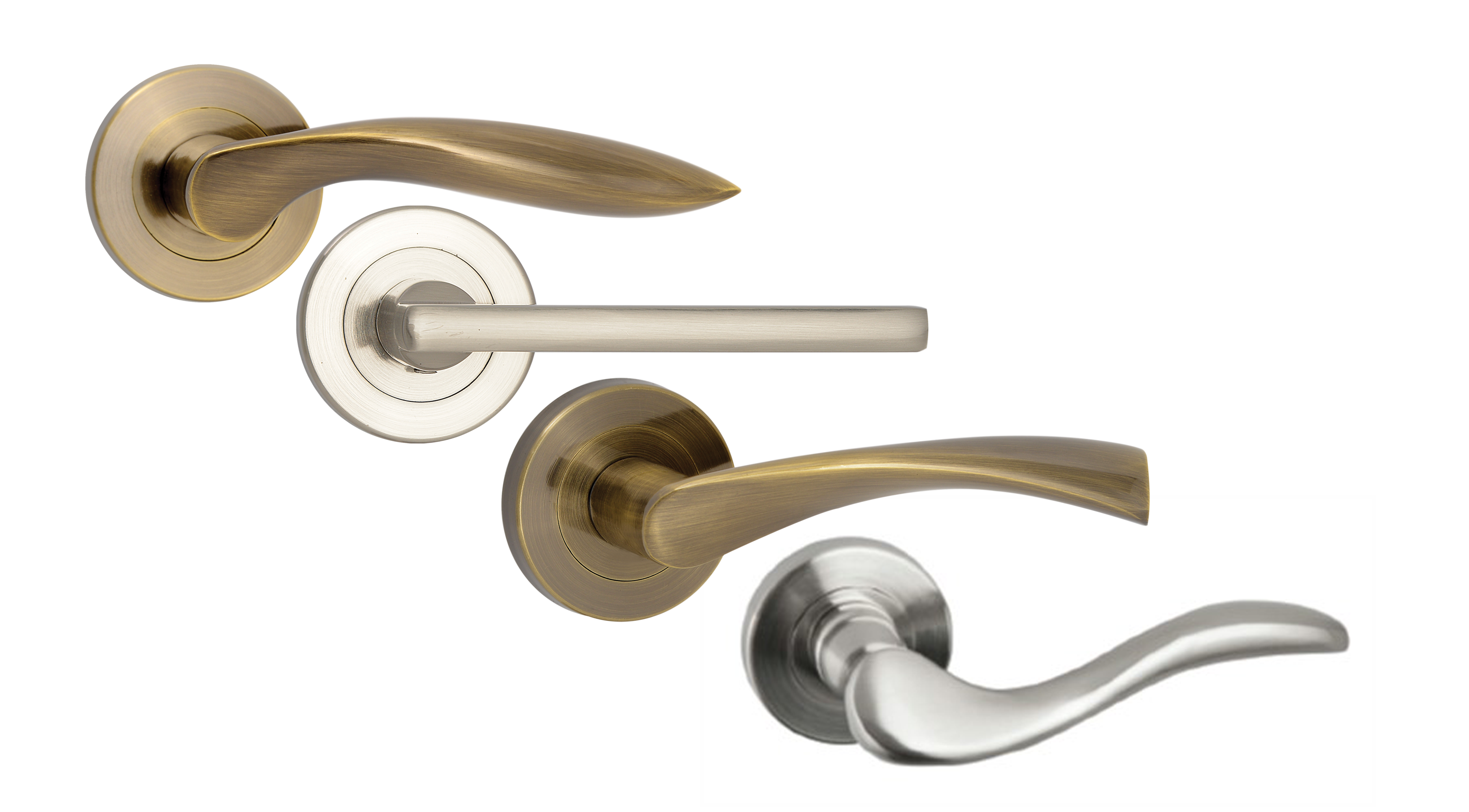
Aluminium door handles are a popular choice for both residential and commercial spaces due to their lightweight, durability, and sleek, modern appearance.
However, like any frequently used fixture, aluminium handles require regular maintenance and cleaning to preserve their look, prevent corrosion, and ensure smooth operation. Proper care not only extends the lifespan of the handles but also contributes to a hygienic and aesthetically pleasing environment.
We will discuss effective methods to maintain and clean aluminium door handles, along with tips to prevent damage and keep them looking new.
Understanding Aluminium Door Handles
Aluminium is a corrosion-resistant metal, making it ideal for door hardware. It does not rust like iron or steel, and it can be anodized or coated with protective finishes to enhance durability and aesthetics. Despite its corrosion resistance, aluminium can still accumulate dirt, fingerprints, grime, and oxidize over time if not properly maintained. The surface can become dull or stained, affecting the overall appearance of the handle and potentially reducing its lifespan if neglected.
Tools and Materials Needed
Before starting the cleaning process, gather the necessary tools and materials to ensure the process is efficient and safe for your handles. These may include:
- Soft microfiber cloths or lint-free rags
- Mild liquid detergent or dish soap
- Warm water
- White vinegar or lemon juice
- Baking soda (optional for stubborn stains)
- Non-abrasive sponge or soft brush
- Aluminium polish or a specialized metal cleaner (optional)
- Protective gloves
Avoid using harsh chemicals, abrasive pads, or steel wool, as these can scratch or damage the aluminium surface.
Regular Maintenance Tips
1. Dust and Wipe Regularly
Regular cleaning prevents the buildup of dirt and grime. Use a soft, dry microfiber cloth to dust the handles at least once a week. This simple step removes surface dust and reduces the risk of scratches caused by trapped particles.
2. Handle with Clean Hands
Encourage family members or office occupants to handle doors with clean hands. Oils, sweat, and dirt from hands can accumulate on aluminium surfaces, leading to staining and tarnishing over time.
3. Check for Loose Screws or Fixtures
Periodic maintenance should include checking the screws and fittings of your door handles. Tighten any loose screws to ensure the handle functions properly and does not become a safety hazard.
4. Lubricate Moving Parts
Even though aluminium itself is corrosion-resistant, the internal mechanisms of the handle, such as locks and hinges, may need lubrication. Apply a small amount of graphite powder or a silicone-based lubricant to moving parts to keep the handle operating smoothly.
Cleaning Aluminium Door Handles
Step 1: Prepare Cleaning Solution
Mix a few drops of mild dish soap with warm water in a small bowl or bucket. For a natural alternative, you can combine equal parts of white vinegar and water. Avoid using bleach or ammonia-based cleaners, as they may damage the aluminium finish.
Step 2: Wipe Down the Handles
Dip a soft cloth or sponge into the cleaning solution, wring out excess liquid, and gently wipe the aluminium handle. Make sure to cover all sides, including crevices and grooves where dirt may accumulate. For stubborn spots, you can use a soft brush or an old toothbrush to scrub gently without scratching the surface.
Step 3: Rinse and Dry
After cleaning, rinse the handle with a cloth dampened in clean water to remove any soap or vinegar residue. It’s important to dry the handle thoroughly with a soft, dry cloth to prevent water spots and maintain the shine.
Step 4: Remove Oxidation (If Needed)
Over time, aluminium may develop a dull, chalky layer known as oxidation. To remove this, make a paste using baking soda and water. Apply the paste to the handle, let it sit for a few minutes, then gently scrub with a soft cloth or sponge. Rinse thoroughly and dry.
Step 5: Polish for Extra Shine
If you want to restore the luster of your aluminium handles, consider applying a small amount of aluminium polish or a non-abrasive metal cleaner. Follow the manufacturer’s instructions, and buff with a clean, soft cloth until the handle shines.
Preventing Damage to Aluminium Handles
Proper care goes beyond cleaning. Here are tips to protect your aluminium handles from damage:
- Avoid Abrasives: Never use steel wool, sandpaper, or harsh scrubbers, as these can scratch and damage the protective surface.
- Minimize Chemical Exposure: Keep strong chemicals, like bleach, away from aluminium, as they can cause discoloration and corrosion.
- Install Protective Coatings: If your handles are in a high-traffic area or exposed to outdoor elements, consider applying a protective wax or lacquer to enhance durability.
- Regular Inspections: Periodically check for signs of wear, oxidation, or loose fixtures. Addressing issues early prevents long-term damage.
Special Considerations for Outdoor Aluminium Handles
Outdoor aluminium door handles are exposed to harsher conditions, such as rain, humidity, and UV rays, which can accelerate wear and oxidation. For outdoor handles:
- Clean more frequently to remove dirt, pollen, and environmental contaminants.
- Apply a UV-resistant coating or wax to protect against fading and corrosion.
- Inspect for signs of rust or corrosion on any attached screws or mechanisms.
Conclusion
Maintaining and cleaning aluminium door handles is a straightforward process that can greatly extend the life and appearance of your fixtures. Regular dusting, gentle cleaning with mild solutions, and occasional polishing will keep your handles looking pristine and operating smoothly. By following these guidelines, you not only enhance the aesthetics of your home or office but also ensure the longevity and functionality of your aluminium door handles.
- Digital Agency
- Literie
- Location de voitures
- Restaurant
- Restaurant
- Mode
- Mode
- Information
- Marketing
- Tourisme
- Développement
- Découverte
- Législation
- Gastronomie
- Pâtisserie
- Event
- Art
- Causes
- Crafts
- Dance
- Drinks
- Film
- Fitness
- Food
- Games
- Gardening
- Health
- Home
- Literature
- Music
- Networking
- Other
- Party
- Religion
- Shopping
- Sports
- Theater
- Wellness
 English
 Indian
 French
 Arabic
 Spanish
 Portuguese
 Deutsch
 Turkish
 Dutch
Dutch
 Italiano
 Russian
 Romaian
 Portuguese (Brazil)
 Greek
Greek
