


Why Supply Chain Management Is Shifting From Linear Control to Network Coordination
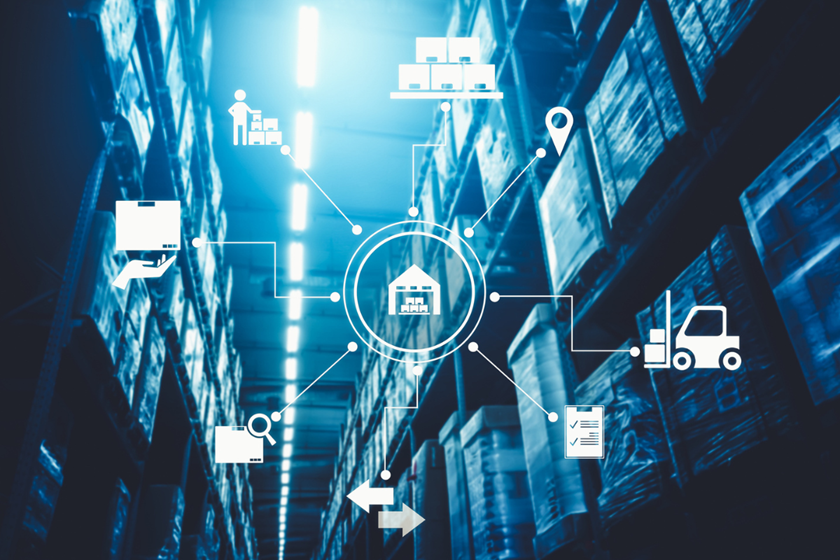
Supply chain management has traditionally focused on getting products from suppliers to customers as efficiently as possible. But as production ecosystems stretch across multiple regions, digitization accelerates, and disruptions become more frequent, the discipline is evolving beyond a linear chain of transactions. Today’s efforts center on orchestrating interconnected networks where data, capital, and goods flow dynamically—not just downstream, but bi-directionally across partners and platforms.
From Resource Planning to Networked Execution
Modern supply chain management still encompasses planning, sourcing, manufacturing, logistics, and returns, but the emphasis has shifted toward synchronized execution rather than isolated operational silos. Demand forecasting now blends internal sales data with external indicators such as macroeconomic shifts, supplier capacity signals, and real-time inventory positions across partners. This is pushing organizations to replace traditional MRP cycles with continuous planning engines that update production schedules as market conditions change.
The sourcing function has seen a similar shift. Instead of optimizing supplier cost alone, companies weigh capacity availability, geopolitical exposure, tariff scenarios, and nearshoring options. Relationship management is now as crucial as contracting, particularly when raw materials and specialized components have constrained visibility deeper in the chain.
Execution Cycles Are Shorter and More Collaborative
Manufacturing remains the core of value creation, but factory operations are increasingly integrated into end-to-end supply chain management systems rather than run as standalone production lines. Digital quality controls, SKU-level traceability, and flexible line configurations allow organizations to modify output faster when demand signals fluctuate. Packaging, testing, and product variants can now be delayed until later stages to preserve optionality and reduce waste.
On the delivery side, logistics strategies have matured from static routing to adaptive distribution networks driven by real-time carrier performance, labor constraints, warehouse capacity, and emissions considerations. Reverse logistics—once treated as a cost center—is emerging as a structured value recovery loop, especially in regulated industries and consumer electronics where recycling and repair can protect margin and reduce compliance exposure.
Rethinking Control: The New Competitive Frontier
The newest evolution of supply chain management treats the network not as infrastructure to optimize, but as a strategic platform to grow revenue. Companies are using data-sharing standards, digital passports, and supplier collaboration tools to accelerate product launches, manage tier-2 and tier-3 risks, and monetize service layers such as predictive maintenance or recurring consumables. This shift suggests the competitive edge will increasingly come not from lowest-cost sourcing or faster shipping, but from building ecosystems that can reroute, reprice, and relearn under stress.
- Digital Agency
- Literie
- Location de voitures
- Restaurant
- Restaurant
- Mode
- Mode
- Information
- Marketing
- Tourisme
- Développement
- Découverte
- Législation
- Gastronomie
- Pâtisserie
- Evento
- Art
- Causes
- Crafts
- Dance
- Drinks
- Film
- Fitness
- Food
- Giochi
- Gardening
- Health
- Home
- Literature
- Music
- Networking
- Altre informazioni
- Party
- Religion
- Shopping
- Sports
- Theater
- Wellness
 Italiano
 Indian
 English
 French
 Arabic
 Spanish
 Portuguese
 Deutsch
 Turkish
 Dutch
Dutch
 Russian
 Romaian
 Portuguese (Brazil)
 Greek
Greek
