


How Can First-Time Buyers Succeed in a Used Construction Equipment Auction?
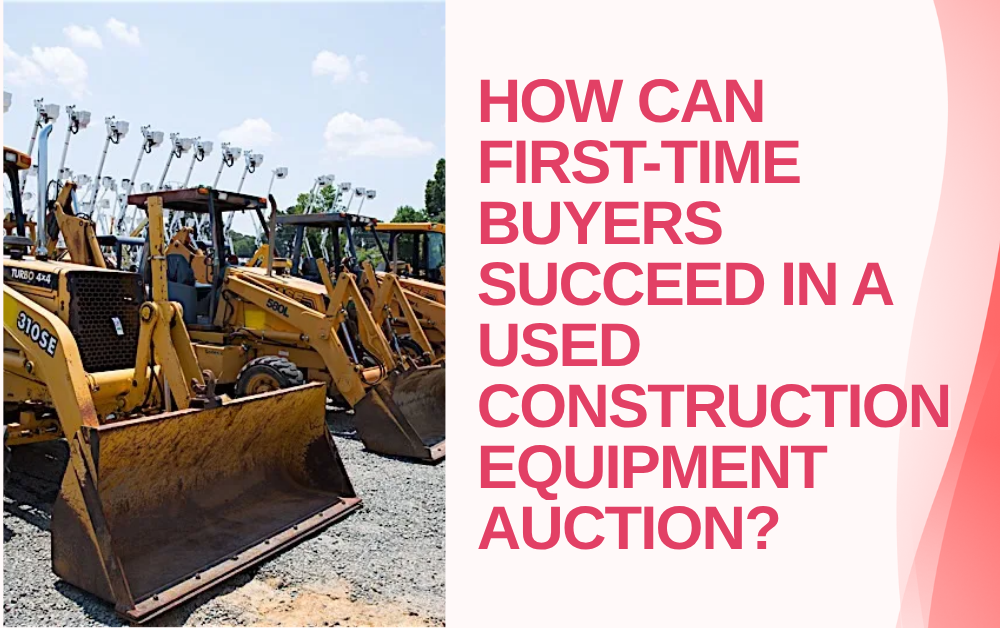
Entering a used construction equipment auction for the first time can be both an exciting and overwhelming experience. The opportunity to purchase high-value machinery at competitive prices attracts contractors, builders, and business owners worldwide. However, without proper guidance and preparation, new buyers may face challenges such as overpaying, choosing the wrong equipment, or missing important inspection details. Understanding the auction process, knowing what to look for, and preparing strategically can significantly increase the chances of success.
Purchasing used equipment is also becoming increasingly common due to rising costs of new machinery, supply chain delays, and the excellent value offered through auctions. First-time buyers who learn how to navigate these events can secure reliable equipment that meets project requirements while staying within budget. This article explores everything beginners need to know to thrive in a used construction equipment auction, from research to bidding strategies to evaluating equipment condition effectively.
Understanding How Used Construction Equipment Auctions Work
The first step toward success is gaining a clear understanding of how these auctions operate. Used construction equipment auctions typically involve various types of heavy machinery, including excavators, loaders, cranes, graders, compactors, and generators. These auctions may be held live at a physical location, online through digital bidding platforms, or as hybrid events combining both.
Live auctions are known for their fast-paced environment where bidders compete in real time. Online auctions, on the other hand, offer convenience, greater transparency, and the ability to participate from any location. Each auction format has its own rules regarding registration, inspection schedules, bidding increments, documentation requirements, and payment timelines. For a first-time buyer, becoming familiar with these aspects helps eliminate confusion and boosts confidence during the bidding process.
It is also important to read the auction’s terms and conditions thoroughly. These terms usually outline payment methods, buyer premiums, pickup deadlines, and any disclaimers regarding the condition of the equipment. Since most auctions sell items “as-is, where-is,” understanding the legal framework protects buyers from misunderstandings and unexpected expenses.
Preparing Effectively Before the Auction Day
Proper preparation is one of the strongest predictors of success for first-time buyers. Before attending an auction, it is essential to define specific equipment needs. Buyers should determine the type, size, brand, and model of machinery required for their operations. This ensures focused bidding and prevents impulsive purchases driven by competition or emotion.
Budgeting is equally important. Auction prices may vary widely depending on demand, condition, and brand value. Setting a spending limit helps buyers avoid costly mistakes. In addition, buyers should factor in additional expenses such as transportation, repairs, taxes, and buyer premiums. This holistic budgeting approach ensures a realistic financial plan.
Research plays a vital role as well. Checking the current market value of the equipment helps buyers identify reasonable price ranges. Comparing auction listings with dealership prices and online marketplaces also offers insight into depreciation trends. Researching specific brands and models provides an understanding of common mechanical issues, average life expectancy, and availability of spare parts.
NOTE:- During the used construction equipment auction Dubai, high-quality equipment was offered at competitive rates after undergoing strict quality checks. Buyers were assured transparent documentation and trusted service. To enhance project capability with dependable machinery, contact Sintra for tailored procurement support and expert recommendations.

Inspecting the Equipment Carefully
Inspection is one of the most important stages for first-time buyers. Since auction items are sold without warranty, evaluating the physical and functional condition of machinery is crucial. Most auctions offer designated inspection days or preview periods where potential buyers can examine equipment closely. Attending this inspection is highly recommended.
During inspection, buyers should observe the exterior and interior condition of the equipment. Signs of wear, rust, leaks, or structural damage may indicate past neglect or heavy usage. Hydraulics, engine performance, tires, and joints should be checked for smooth operation. Listening to engine sounds and watching for excessive smoke can also provide clues about mechanical health.
Hours of operation are another key factor. While high hour readings may suggest extensive use, auction experts often emphasize that maintenance history is even more important. Well-maintained equipment with higher hours may perform better than low-hour machines with poor upkeep. If maintenance logs or service records are available, reviewing them can be extremely helpful.
Buyers who lack technical knowledge may benefit from bringing a professional mechanic or technician during the inspection. Their expertise can help identify hidden issues and estimate potential repair costs. This minimizes risks and ensures informed bidding decisions.
Analyzing the Auction Catalogue Thoroughly
The auction catalogue is a valuable resource for first-time buyers. It contains detailed descriptions, photographs, specifications, and sometimes condition reports for each piece of equipment. Reviewing the catalogue in advance allows buyers to shortlist the items that best match their needs.
Understanding key specifications is crucial. For example, knowing the horsepower of an excavator, the load capacity of a wheel loader, or the reach of a crane helps verify whether the equipment fits specific project requirements. Buyers should compare specifications across different makes and models to determine which offer the best performance and value.
Some catalogues also include equipment inspection grades or condition ratings. Although these ratings provide helpful guidance, they should be interpreted alongside a physical inspection. Digital catalogues often include videos that demonstrate the functioning of the machinery, which adds another layer of insight for buyers unable to attend in person.
Mastering Bidding Strategies at the Auction
Bidding confidently is essential for success in a fast-paced auction environment. First-time buyers often experience pressure or nervousness when competing with experienced bidders. However, adopting effective strategies can lead to favorable outcomes.
A well-known principle is to avoid bidding too early or too aggressively. Jumping into the bidding war at the beginning may push prices higher and reduce negotiation leverage. Instead, observing the bidding pattern helps buyers understand the competition level and price trends.
Staying within the pre-set budget is equally critical. Buyers may feel tempted to exceed their limit in order to win, but this can lead to financial strain. Maintaining discipline ensures a cost-effective purchase and prevents regret later.
Another smart strategy is to remain calm and composed. Auctions often move quickly, and emotional decisions can cause mistakes. Taking brief pauses between bids allows time to think clearly and assess the situation. Experienced buyers often recommend signaling confidently but not impulsively.
Online auctions require a slightly different approach. Since bidding happens digitally, timing and internet connectivity become important. Placing bids too close to the final seconds may cause missed opportunities if there are technical issues. Many platforms also allow placing maximum proxy bids, where the system automatically bids on behalf of the buyer within their set limit. This method is helpful for maintaining control and avoiding emotional overbidding.
Evaluating Post-Auction Steps and Responsibilities
Winning the bid is only the beginning. First-time buyers must also understand the responsibilities that follow. After the auction, buyers typically receive an invoice outlining the purchase price, buyer premium, taxes, and other applicable charges. These payments are usually required within a specific timeframe, and failure to comply can lead to penalties or cancellation.
Arranging transportation is another important step. Heavy equipment often requires specialized trucks, cranes, or flatbed trailers. Buyers should coordinate logistics in advance because auction sites usually have strict pickup deadlines. Planning transportation early ensures a smooth and hassle-free removal.
It is also wise to conduct a final check of the equipment during pickup to confirm that it matches the auction description and condition noted during inspection. Any discrepancies should be discussed with the auction staff immediately.
Once the equipment arrives at its destination, scheduling maintenance is recommended. Even well-maintained machinery needs a routine checkup after transportation. Changing fluids, tightening components, and performing minor servicing ensures the equipment is ready for operation and prevents potential breakdowns.
Understanding the Benefits of Buying from an Auction
Used construction equipment auctions offer several benefits that make them appealing to first-time buyers. One of the main advantages is cost savings. Auction prices are often lower compared to dealership listings or new equipment purchases, giving businesses the opportunity to acquire reliable machinery at competitive rates.
Another benefit is the wide variety of equipment available. Auctions typically feature multiple brands, sizes, and models, offering options that fit different project needs. Buyers can compare machines side by side and select the best-performing one within their budget.
Transparency is also a strong advantage. Auction houses usually provide detailed catalogues, inspection reports, and open preview sessions. This transparency helps buyers make informed decisions. Additionally, the fast nature of auctions means buyers can acquire equipment quickly without long negotiation processes.
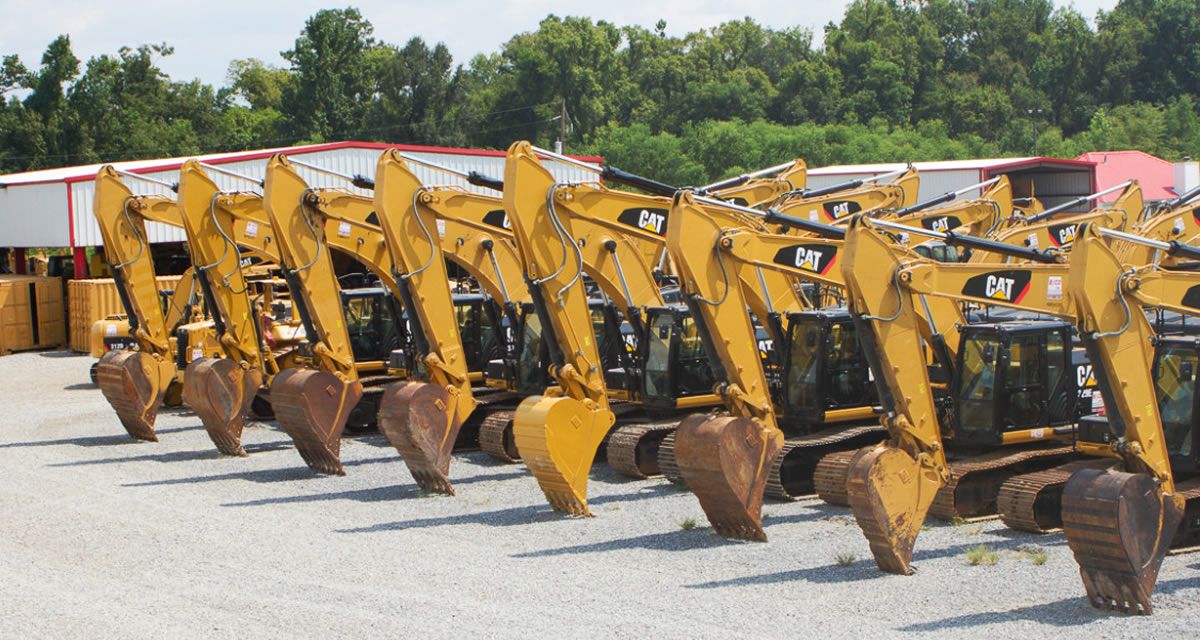
Avoiding Common Mistakes Made by First-Time Buyers
First-time buyers often make mistakes that reduce the value of their purchase. One of the most common is skipping the inspection phase or relying solely on photos. Machines may look visually appealing online but possess hidden mechanical issues that only a physical inspection can reveal.
Another mistake is ignoring the total cost of ownership. While winning the auction may feel like a victory, buyers must consider repair costs, transportation fees, taxes, and maintenance expenses. Forgetting these factors can lead to unexpected financial burdens.
Some new buyers also overlook the importance of documentation. Ensuring that the equipment comes with proper identification numbers, service history, and ownership verification prevents future disputes or complications during resale.
Lack of research can also create problems. Without understanding market prices or equipment specifications, buyers risk overpaying or choosing machinery that does not meet their operational needs. Taking time to study the market improves purchase decisions.
Building Confidence and Expertise Over Time
While the first auction experience may feel challenging, buyers develop confidence and expertise as they participate in more events. Observing experienced bidders, learning auction patterns, and connecting with industry professionals enhance knowledge and decision-making skills.
Many auction houses also offer guidance to new buyers. They may provide customer support, inspection assistance, or bidding tutorials. Taking advantage of these resources helps beginners build a strong foundation before making significant purchases.
Over time, first-time buyers become more comfortable identifying quality equipment, evaluating prices, and navigating auction systems. Their early efforts and preparation lead to long-term success and better investment decisions.
Conclusion
First-time buyers can succeed in a used construction equipment auction by focusing on preparation, research, inspection, and strategic bidding. Understanding the auction process, analyzing equipment condition thoroughly, and maintaining discipline during bidding enhances the chances of securing high-quality machinery at competitive prices. Auctions offer tremendous value and variety, making them an excellent opportunity for businesses looking to expand their equipment fleet cost-effectively.
With proper planning and a clear understanding of each step—from pre-auction research to post-auction responsibilities—new buyers can confidently navigate the world of used construction equipment auctions and achieve long-term success.
- Digital Agency
- Literie
- Location de voitures
- Restaurant
- Restaurant
- Mode
- Mode
- Information
- Marketing
- Tourisme
- Développement
- Découverte
- Législation
- Gastronomie
- Pâtisserie
- Evenement
- Art
- Causes
- Crafts
- Dance
- Drinks
- Film
- Fitness
- Food
- Spellen
- Gardening
- Health
- Home
- Literature
- Music
- Networking
- Overig
- Party
- Religion
- Shopping
- Sports
- Theater
- Wellness
 Dutch
Dutch
 Indian
 English
 French
 Arabic
 Spanish
 Portuguese
 Deutsch
 Turkish
 Italiano
 Russian
 Romaian
 Portuguese (Brazil)
 Greek
Greek
