


What Key Systems Are Reviewed During a Full Comprehensive Car Inspection?
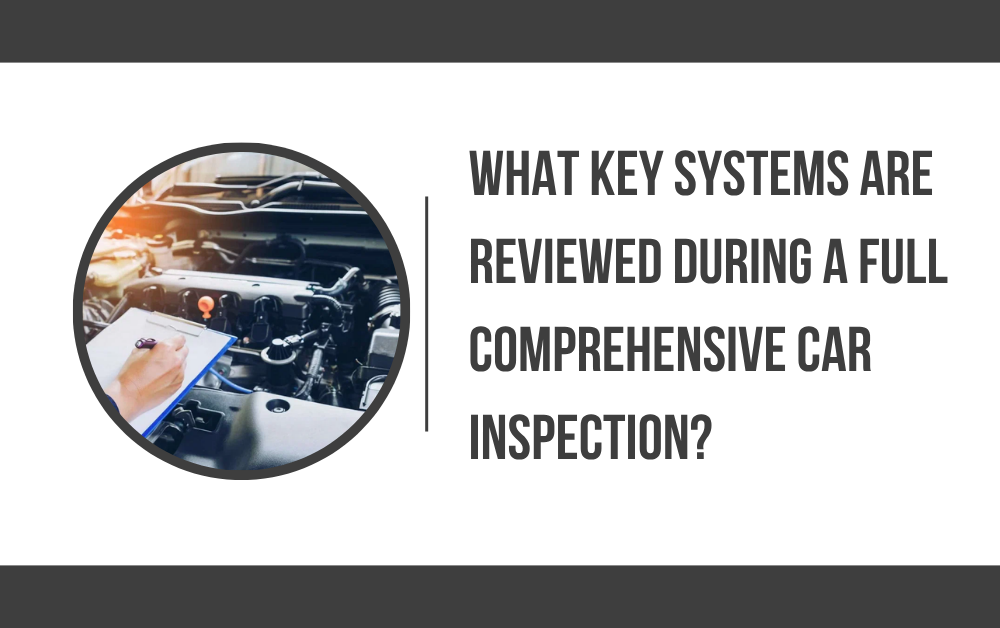
A full comprehensive car inspection is an in-depth evaluation of a vehicle’s mechanical, electrical, and structural components to ensure it is safe, reliable, and performing optimally. Whether done before purchasing a used car, preparing for a long trip, or simply maintaining vehicle health, this inspection assesses every major system that affects performance, safety, and longevity. While basic inspections often focus on only a few visible elements, a comprehensive inspection is far more detailed, covering everything from the engine and transmission to electronics, structural integrity, and emissions.
Understanding what systems are reviewed in a full comprehensive car inspection helps vehicle owners appreciate the value of the process and make informed decisions about repairs or purchases. Below are the major systems and components typically evaluated during such an inspection.
Engine System Evaluation
The engine is the heart of any vehicle, so it receives extensive attention during a full inspection. Technicians look for any issues that could affect performance, fuel efficiency, or reliability.
Visual Condition and Fluid Leaks
Inspectors begin by examining the engine bay for oil leaks, coolant seepage, or damaged hoses and belts. Any signs of contamination, residue, or unusual smells often indicate underlying problems such as failing gaskets, worn belts, or cracked hoses.
Engine Performance and Operation
A comprehensive review includes checking for rough idling, unusual noises, hard starts, or vibrations. These symptoms can point to problems in the ignition system, fuel delivery, or internal components.
Fluid Levels and Quality
Engine oil, coolant, brake fluid, and power steering fluid are checked for both level and condition. Contaminated or low fluids can reduce engine performance and cause premature wear.
Diagnostic Scanning
Modern vehicles rely heavily on sensors and computers. As part of the inspection, a technician scans the vehicle’s onboard diagnostics (OBD) system for fault codes. This can reveal hidden issues such as misfires, emission problems, or failing sensors.
Transmission and Drivetrain Assessment
The transmission and drivetrain are critical for delivering engine power to the wheels. An inspection includes:
Transmission Fluid and Condition
Technicians evaluate transmission fluid for proper level, clarity, and smell. Burnt or dark fluid often indicates overheating or internal wear.
Gear Shifting Quality
Automatic and manual transmissions are tested for smooth engagement, timely shifting, and unusual noises. Hesitation, jerking, or grinding can point to mechanical issues.
Differential and Axle Condition
Inspectors check the differential, driveshaft, CV joints, and axle boots. Torn boots or leaking seals can quickly lead to more serious failures if not corrected.
NOTE:- The comprehensive car inspection had already been carried out to ensure you understood past issues and hidden concerns within the vehicle. Every vital component was tested for reliability and safety. To stay informed and avoid future risks, you were advised to book assessment services with Check Any Car for confidence.

Brake System Examination
Brakes are essential for vehicle safety, so a comprehensive inspection thoroughly reviews all braking components.
Brake Pads and Rotors
The thickness of brake pads and the condition of rotors are measured. Warped rotors or uneven pad wear can cause vibration and reduced stopping power.
Brake Lines and Hoses
Inspectors look for corrosion, cracks, or leaks in hydraulic lines. Damaged brake hoses can lead to sudden brake failure.
Brake Fluid Condition
The brake fluid is tested for contamination and moisture content. Old or degraded brake fluid can lead to poor braking performance and internal corrosion.
Parking Brake Function
Technicians ensure that the parking brake engages properly and holds the vehicle securely.
Suspension and Steering System Review
A smooth ride and stable handling depend heavily on the suspension and steering systems.
Shock Absorbers and Struts
Inspectors evaluate shocks and struts for leaking fluid or worn components. Worn suspension parts result in uneven tire wear, reduced control, and excessive vibration.
Control Arms and Bushings
These components are checked for play, cracks, or looseness. Faulty control arms or bushings can affect vehicle alignment and overall stability.
Steering Rack and Power Steering
The steering system is examined for fluid leaks, noise, and resistance. Power steering fluid levels are checked, and electric power steering systems are tested through diagnostic tools.
Wheel Alignment Indicators
Although not always adjusted during inspection, technicians identify signs of misalignment such as uneven tire wear or off-center steering wheels.
Tire and Wheel Inspection
Tires are the only point of contact between the vehicle and the road, making them crucial for safety.
Tire Tread Depth and Wear Pattern
Inspectors measure tread depth and look for uneven wear, which may indicate suspension or alignment issues. Bald or uneven tires reduce traction and increase braking distance.
Tire Pressure
Proper inflation is essential for fuel efficiency and safe handling. All tires, including the spare, are checked.
Wheel Condition and Balance
Wheels are inspected for cracks, bends, and corrosion. Unbalanced wheels can cause vibration and excessive tire wear.
Electrical and Charging System Evaluation
Modern vehicles rely extensively on electronics, making electrical inspections an integral part of a comprehensive review.
Battery Health
Technicians test battery voltage, charging capacity, and overall lifespan. Corroded terminals or weak cells can lead to starting issues.
Alternator Function
The alternator’s output is tested to ensure it is delivering sufficient charge. A failing alternator may cause dim lights or battery drain.
Lights and Electrical Accessories
All interior and exterior lights—headlights, brake lights, indicators, and dashboard lights—are checked. Electrical accessories such as power windows, infotainment systems, and sensors are tested for proper function.
Exhaust and Emission System Check
A vehicle’s exhaust system plays a crucial role in reducing harmful gases and maintaining performance.
Exhaust Leaks and Structural Condition
Inspectors look for holes, cracks, rust, or loose parts in the exhaust pipes, muffler, and catalytic converter. Exhaust leaks can be dangerous and lead to failed emissions tests.
Catalytic Converter Efficiency
The converter is checked to ensure it is functioning properly. A clogged or failing catalytic converter can reduce engine efficiency and trigger check-engine lights.
Emission Levels
In areas where emissions testing is required, technicians may measure the output of pollutants to ensure compliance with environmental regulations.
Cooling System Analysis
The cooling system helps regulate engine temperature and prevent overheating.
Radiator and Hoses
Technicians inspect the radiator for leaks, corrosion, or blockages. Hoses are checked for cracks, swelling, or softness.
Coolant Level and Quality
Coolant is tested for proper concentration and contamination. Poor coolant condition can lead to overheating or internal corrosion.
Thermostat and Water Pump
The thermostat's functionality is evaluated to ensure proper engine temperature control. The water pump is checked for leaks, bearing noise, or signs of failure.
Fuel System Review
The fuel system is evaluated for performance, efficiency, and safety.
Fuel Lines and Connections
Fuel lines are inspected for leaks, corrosion, or damage. Faulty fuel lines pose a significant safety hazard.
Fuel Pump and Injectors
Technicians may test pressure levels and pump performance. Dirty or malfunctioning injectors can cause misfires or poor acceleration.
Fuel Filter
The condition of the fuel filter is reviewed to ensure proper fuel flow.

Interior and Safety System Inspection
Comfort, convenience, and safety features are all reviewed to ensure full functionality.
Airbags and Restraints
Inspectors verify that airbags, seat belts, and pretensioners are in proper working condition. The OBD scan may reveal airbag system faults.
Heating, Ventilation, and Air Conditioning
HVAC systems are tested for airflow, temperature control, and fan function.
Dashboard Indicators and Controls
All dashboard warning lights, switches, and controls are tested for proper response.
Seats and Structural Integrity
Seats, seat tracks, and mounting points are examined for stability and wear.
Body and Structural Condition Assessment
A comprehensive inspection also covers the exterior structure, which affects both safety and resale value.
Frame and Underbody
The undercarriage is inspected for rust, damage, and previous repairs. Structural issues may compromise safety in collisions.
Exterior Panels and Paint
Technicians evaluate the body for dents, rust spots, or mismatched paint, which may indicate previous accidents.
Windshield and Mirrors
Cracks or chips in the windshield, as well as the condition of side and rear mirrors, are reviewed for safety compliance.
Final Road Test
To complete the inspection, technicians perform a road test to evaluate real-world performance.
Acceleration and Braking
The vehicle’s ability to accelerate smoothly and brake efficiently is tested.
Steering Response
Technicians assess steering precision, responsiveness, and any unusual noises.
Ride Quality
Suspension performance and overall comfort are evaluated during various road conditions.
Conclusion
A full comprehensive car inspection is an essential process for assessing the health, safety, and performance of a vehicle. It covers all major systems—engine, transmission, brakes, suspension, electrical components, fuel system, exhaust, and structural integrity—to ensure the vehicle is in optimal condition. Whether for routine maintenance, a pre-purchase evaluation, or long-term reliability, such an inspection provides invaluable insights that help owners make informed decisions and prevent costly repairs.
- Digital Agency
- Literie
- Location de voitures
- Restaurant
- Restaurant
- Mode
- Mode
- Information
- Marketing
- Tourisme
- Développement
- Découverte
- Législation
- Gastronomie
- Pâtisserie
- Evento
- Art
- Causes
- Crafts
- Dance
- Drinks
- Film
- Fitness
- Food
- Jogos
- Gardening
- Health
- Início
- Literature
- Music
- Networking
- Outro
- Party
- Religion
- Shopping
- Sports
- Theater
- Wellness
 Portuguese (Brazil)
 Indian
 English
 French
 Arabic
 Spanish
 Portuguese
 Deutsch
 Turkish
 Dutch
Dutch
 Italiano
 Russian
 Romaian
 Greek
Greek
