


Reliable Utility Surveys for Accurate Site Data
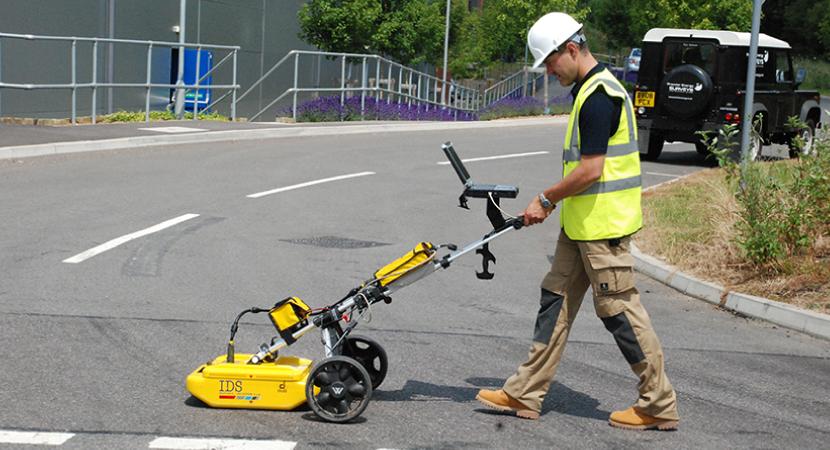
When it comes to construction, engineering, or infrastructure projects, accurate underground mapping is essential. Utility Surveys play a key role in ensuring that every project begins with reliable data, helping professionals identify buried utilities before any excavation or groundwork begins. This process reduces risk, saves time, and prevents costly mistakes during the development phase.
What Utility Surveys Are and Why They Matter
A Utility Survey is a detailed assessment that locates and maps all underground utilities, such as electricity cables, gas pipes, water mains, and telecommunication lines. Using advanced technology like Ground Penetrating Radar (GPR) and electromagnetic detection, surveyors can create a precise representation of what lies beneath the surface.
These surveys are vital for any construction or infrastructure development. By identifying the position and depth of utilities, teams can plan safely and avoid accidental damage. A single strike to an unknown gas pipe or power cable can cause severe delays and financial losses, which is why professional Utility Surveys are a crucial first step before beginning any site work.
The Role of Survey Control in Utility Surveys
For a Utility Survey to be truly effective, accurate data alignment is necessary. This is where Survey Control becomes essential. Survey Control establishes a network of reference points that ensures all survey data is consistent and correctly positioned in the real world.
Without proper Survey Control, even the most advanced survey results can become unreliable or inconsistent with site coordinates. Professional surveyors implement Survey Control at the beginning of every project, ensuring all maps, plans, and 3D models align perfectly with the true site location.
This process not only enhances the precision of Utility Surveys but also supports future surveys and ongoing construction activities, maintaining a high level of data integrity throughout the project.
Technology Used in Utility Surveys
Modern Utility Surveys rely heavily on advanced technology to deliver accurate and detailed results. Some commonly used tools include:
-
Ground Penetrating Radar (GPR) for detecting non-metallic utilities and voids underground.
-
Electromagnetic Detection (EML) for tracing metallic pipes and cables.
-
GPS and Total Stations integrated with Survey Control to ensure precise location data.
-
3D Utility Mapping Software that visualises underground networks for better project planning.
These technologies combined help surveyors identify, map, and record utility networks with high precision. Integrating this data with Survey Control ensures that all findings are correctly referenced and consistent with national or local coordinate systems.
Applications of Utility Surveys
Utility Surveys are widely used in various industries, including:
-
Construction and Civil Engineering – To identify buried services before digging or piling.
-
Infrastructure Development – For planning roadworks, railways, and utility upgrades.
-
Telecommunication Projects – To map underground cables and ducts.
-
Property Development – To assess potential risks before site acquisition or redevelopment.
Each of these sectors relies on accurate mapping, which can only be achieved when Survey Control is properly implemented. It ensures every part of the survey aligns perfectly, reducing risks and enhancing efficiency.
Benefits of Professional Utility Surveys
Hiring experts for Utility Surveys brings multiple benefits that go beyond simple mapping.
-
Safety – Prevents accidents by identifying potential hazards before excavation.
-
Cost Efficiency – Reduces delays and repair costs caused by utility strikes.
-
Accuracy – Ensures that construction planning is based on verified data.
-
Compliance – Meets local authority and regulatory requirements for site surveys.
By combining Utility Surveys with precise Survey Control, companies can maintain high standards of accuracy and safety across all project stages.
Importance of Choosing Qualified Professionals
To ensure quality results, it’s essential to hire experienced and accredited surveyors. Professional teams use the latest equipment and follow industry standards to guarantee reliable outcomes.
An expert Utility Surveys provider will also implement Survey Control from the start, creating an accurate foundation for all site activities. This coordinated approach reduces errors, improves planning, and supports long-term project success.
When selecting a survey partner, always look for certifications, modern technology use, and proven experience in both utility mapping and Survey Control implementation.
How Utility Surveys Support Future Development
As cities expand and infrastructure becomes more complex, Utility Surveys have become vital for sustainable development. Accurate mapping not only benefits current projects but also supports future upgrades and maintenance.
When combined with consistent Survey Control, survey data can be reused for future work, providing a reliable reference for years to come. This makes it easier for engineers and planners to make informed decisions without repeating extensive groundwork.
Conclusion
Utility Surveys form the backbone of safe and efficient construction and infrastructure development. By identifying underground assets and mapping them accurately, they protect both people and projects from potential risks.
However, their true effectiveness depends on precise Survey Control, which ensures that every measurement and coordinate aligns perfectly. Together, these two processes guarantee data accuracy, improve planning, and promote safety at every stage of construction.
For reliable, professional, and accurate survey results, always choose experts who combine advanced Utility Surveys with strong Survey Control practices.
- Digital Agency
- Literie
- Location de voitures
- Restaurant
- Restaurant
- Mode
- Mode
- Information
- Marketing
- Tourisme
- Développement
- Découverte
- Législation
- Gastronomie
- Pâtisserie
- Event
- Art
- Causes
- Crafts
- Dance
- Drinks
- Film
- Fitness
- Food
- Games
- Gardening
- Health
- Home
- Literature
- Music
- Networking
- Other
- Party
- Religion
- Shopping
- Sports
- Theater
- Wellness
 English
 Indian
 French
 Arabic
 Spanish
 Portuguese
 Deutsch
 Turkish
 Dutch
Dutch
 Italiano
 Russian
 Romaian
 Portuguese (Brazil)
 Greek
Greek
