


Kathmandu
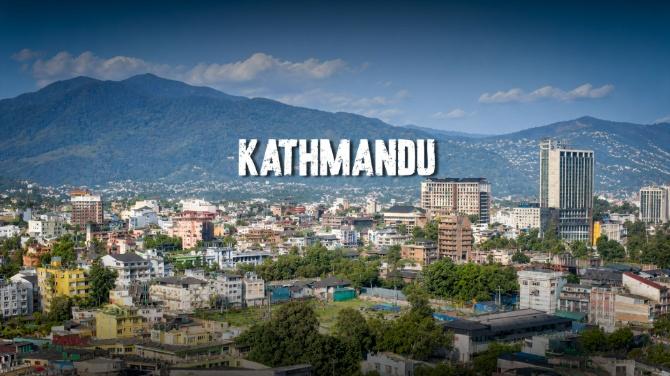
Kathmandu, the capital city of Nepal, is a fascinating destination where ancient traditions meet modern urban life. Located in the Kathmandu Valley and surrounded by the beautiful Himalayan foothills, the city is known for its historic temples, traditional architecture, colourful markets, Buddhist stupas, and rich cultural heritage. For travellers interested in history, spirituality, architecture, and adventure, Kathmandu offers an unforgettable introduction to Nepal.
Over the centuries, Kathmandu has developed from an important trading settlement into Nepal's political, economic, cultural, and tourism centre. Its historic streets preserve the legacy of ancient kingdoms, while its growing infrastructure, modern facilities, and expanding tourism industry reflect the city's transformation. Today, Kathmandu plays an important role in Nepal tourism, welcoming visitors from around the world who come to discover the country's traditions, landscapes, and Himalayan adventures.
Whether you are planning a cultural holiday, exploring Nepal tour packages, or preparing for a Nepal Motorcycle Tour, Kathmandu is an excellent place to begin your journey through this remarkable Himalayan country.
The Historical Origins of Kathmandu
The history of Kathmandu dates back many centuries, with the Kathmandu Valley developing as an important centre of civilisation, trade, and religious activity. Archaeological discoveries and historical traditions indicate that the valley has been inhabited since ancient times.
According to popular local legend, the Kathmandu Valley was once a large lake. The Buddhist figure Manjushri is believed to have drained the water by cutting through the surrounding hills, making the valley suitable for human settlement. Although this story belongs to religious tradition rather than established geological history, it remains an important part of the region's cultural identity.
Historically, the valley was ruled by different dynasties, including the Licchavi and Malla kingdoms. These periods played a significant role in shaping Kathmandu's architecture, religious traditions, art, and urban development.
The Licchavi period, generally dated from around the 4th to the 9th century CE, is particularly important for the development of early Nepalese political institutions, sculpture, inscriptions, and religious architecture. Later, during the Malla period, Kathmandu Valley experienced remarkable artistic and architectural growth.
Kathmandu During the Malla Dynasty
The Malla period, particularly between the 12th and 18th centuries, was one of the most influential eras in Kathmandu Valley's history. During this time, the valley developed into a collection of important independent kingdoms, including Kathmandu, Bhaktapur, and Patan.
Each kingdom competed in architecture, craftsmanship, religious celebrations, and the construction of temples and royal courtyards. This competition helped create the extraordinary cultural landscape that visitors experience today.
Traditional Newari architecture became an important feature of the valley. Beautifully carved wooden windows, brick buildings, pagoda-style temples, stone sculptures, and traditional courtyards reflected the artistic abilities of local craftsmen.
Kathmandu Durbar Square became an important royal and cultural centre during this period. Its palaces, temples, courtyards, and historic monuments provide insight into the political and artistic achievements of the Malla rulers.
The Malla period also strengthened Hindu and Buddhist traditions, which continue to coexist throughout Kathmandu. This cultural combination is one of the city's most distinctive characteristics.
The Unification of Nepal and Kathmandu's Political Importance
A major turning point in Kathmandu's history occurred during the 18th century. King Prithvi Narayan Shah of the Gorkha Kingdom began a campaign to unify the smaller kingdoms and principalities of the region.
In 1768, his forces captured Kathmandu, followed by the conquest of other important valley kingdoms. This marked a significant stage in the formation of modern Nepal.
After unification, Kathmandu became the political centre of the expanding Nepalese kingdom. Its importance increased as royal administration, trade, and diplomatic activities developed around the city.
During the 19th and early 20th centuries, the Rana rulers exercised considerable political power in Nepal. Their influence introduced new architectural styles, palaces, administrative buildings, and European-inspired structures into Kathmandu's urban landscape.
The city gradually expanded beyond its traditional settlements, although its historic religious and cultural centres remained central to everyday life.
Development of Kathmandu as a Modern City
Kathmandu experienced major changes during the second half of the 20th century. Nepal opened more widely to international visitors, and the country gradually developed its transport networks, educational institutions, healthcare facilities, communication systems, and tourism infrastructure.
The establishment of Tribhuvan International Airport in 1949, initially known as Gauchaur Airport, marked an important milestone in Nepal's international connectivity. It made Kathmandu more accessible to international travellers and supported the growth of tourism.
Road development also improved connections between Kathmandu and other parts of Nepal. These improvements helped increase trade, business activities, domestic travel, and access to important tourist destinations.
The city gradually became a centre for hotels, restaurants, travel agencies, trekking companies, cultural organisations, and adventure tourism operators.
However, rapid urbanisation also created challenges, including traffic congestion, population growth, pollution, pressure on historic buildings, and increasing demand for public infrastructure. Preserving traditional architecture while accommodating modern development remains an important priority for Kathmandu.
Today, Kathmandu represents an interesting combination of historical identity and modern urban development.
Kathmandu's Growing Importance in Nepal Tourism
Kathmandu is the primary international gateway to Nepal and plays a major role in the country's tourism industry. Most international visitors arrive through Tribhuvan International Airport before continuing their journeys to different destinations.
The city's tourism appeal comes from its combination of heritage attractions, religious sites, local markets, traditional food, and convenient access to Himalayan destinations.
Travellers often spend time exploring Kathmandu before heading towards popular destinations such as Pokhara, Chitwan, Nagarkot, Lumbini, and the Everest region.
The city also serves as an important base for trekking, mountaineering, cultural holidays, and adventure travel. Travel companies and tour operators offer different Nepal tour packages that combine Kathmandu sightseeing with mountain experiences, wildlife activities, and regional exploration.
Tourism has also contributed to the growth of hotels, restaurants, transportation services, local businesses, and employment opportunities. At the same time, responsible tourism and heritage conservation remain essential for protecting Kathmandu's cultural identity.
- Digital Agency
- Literie
- Location de voitures
- Restaurant
- Restaurant
- Mode
- Mode
- Information
- Marketing
- Tourisme
- Développement
- Découverte
- Législation
- Gastronomie
- Pâtisserie
- Event
- Art
- Causes
- Crafts
- Dance
- Drinks
- Film
- Fitness
- Food
- Games
- Gardening
- Health
- Home
- Literature
- Music
- Networking
- Other
- Party
- Religion
- Shopping
- Sports
- Theater
- Wellness
 English
 Indian
 French
 Arabic
 Spanish
 Portuguese
 Deutsch
 Turkish
 Dutch
 Italiano
 Russian
 Romaian
 Portuguese (Brazil)
 Greek
