


Home Design Tips for Creating Spaces That Feel Truly Personal
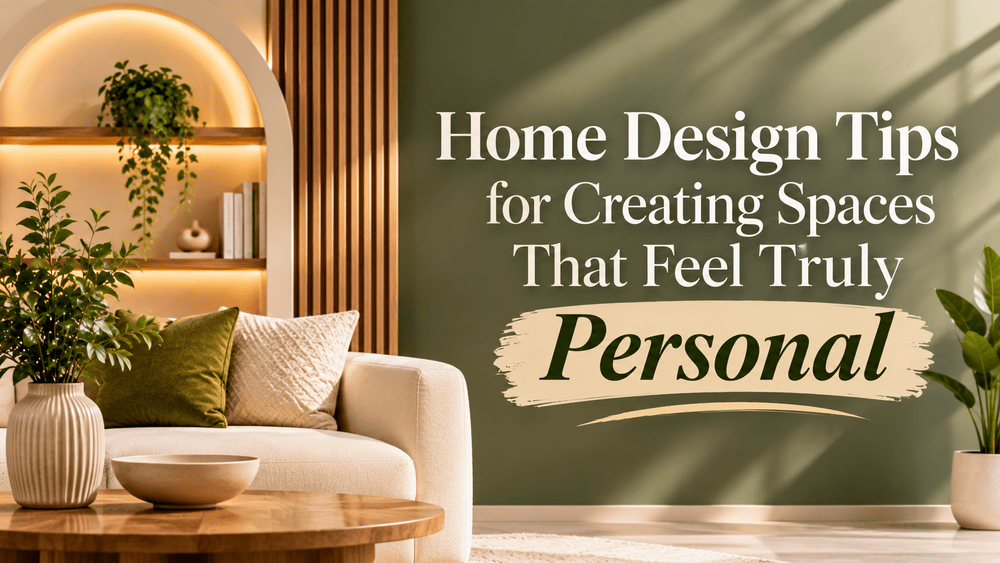
A home becomes meaningful when its surroundings reflect the people who live there. Beyond attractive furniture and fashionable finishes, a well-designed residence should carry familiar details, support individual interests, and accommodate changing routines. Creating such an environment requires an understanding of personal preferences rather than simply following popular design styles. From the initial floor plan to the smallest decorative choice, every decision can contribute to a home that feels genuine and comfortable.
Start With Your Own Lifestyle
Before choosing colours or purchasing furniture, consider how each family member uses different parts of the house. Someone who enjoys cooking may want a spacious kitchen with convenient storage, while a person who works remotely might need a dedicated study away from household distractions. Families who regularly welcome guests may prefer a generous dining area or an additional sitting room.
A useful starting point is to list the activities that take place throughout a typical day. This exercise helps identify which rooms deserve more attention and where additional facilities may be required. It also prevents unnecessary design additions that look attractive but have little connection with actual household needs.
Add Details That Reflect Your Personality
Personal character can emerge through objects, artwork, colours, and materials that hold meaning for residents. Instead of filling every wall with decorative pieces, select items that represent memorable experiences, interests, or family traditions. A collection of travel photographs, handmade pottery, inherited furniture, or artwork from a favourite artist can give an interior a distinctive identity.
Consider introducing personal touches through:
- Display shelves: Arrange books, souvenirs, and treasured objects in an organised manner.
- Feature walls: Use artwork, textured finishes, or a selected colour to highlight an important area.
- Custom furniture: Include pieces designed around particular hobbies, collections, or storage requirements.
- Family spaces: Create a comfortable corner for shared activities, conversations, or relaxation.
These additions should feel connected to the overall arrangement instead of appearing randomly placed. A few meaningful choices can often express more personality than an excessive collection of accessories.
Choose Colours That Feel Right to You
Colour has a strong influence on the character of an interior. Some homeowners enjoy soft, understated shades, while others prefer richer combinations that bring energy into their surroundings. Neither approach is universally better; the selection should reflect personal taste and the atmosphere desired in each room.
A balanced palette can include a dominant shade, complementary tones, and a few contrasting accents. For example, muted walls may work well with colourful cushions, artwork, or statement furniture. Bedrooms can use quieter combinations, while entertainment areas may accommodate more expressive choices. Testing paint samples under different lighting conditions is worthwhile because the same shade can appear noticeably different throughout the day.
Make Room for Changing Interests
A residence should not feel restricted to its original arrangement. Hobbies, family sizes, working habits, and personal priorities may change over time. Flexible interiors allow homeowners to adjust their surroundings without undertaking major alterations.
A spare bedroom could include a foldable desk for occasional work, while a reading corner might also serve as a quiet relaxation area. Movable partitions, adaptable furniture, and well-planned electrical points can make such changes easier. Storage should also be considered carefully, particularly for equipment, seasonal belongings, and items that residents want to keep accessible without creating clutter.
Connect Indoor Areas With Nature
Natural elements can bring freshness into residential interiors. Indoor plants, timber details, stone surfaces, and views of landscaped areas introduce variation and soften the appearance of enclosed rooms. Even a small balcony or window ledge can accommodate greenery when sunlight and watering requirements are considered.
Where the building layout permits, courtyards, verandas, and large openings can create a pleasant connection between enclosed areas and the outdoors. Suitable shading and ventilation should accompany these features, especially in regions with hot summers. The aim is to make nature a genuine part of the residential experience rather than treating it as an occasional decorative addition.
Pay Attention to the Smallest Details
Door handles, switch plates, cabinet fittings, lighting controls, and storage accessories may seem minor during the planning stage, but these elements are used frequently. Their placement, finish, and ease of operation influence how smoothly a household functions. Selecting consistent fittings and coordinating them with surrounding materials can give the interior a more complete appearance.
Ultimately, a personal home comes from understanding what matters to its residents and translating those preferences into suitable design decisions. Professional home design solutions in Ahmedabad can help homeowners bring their ideas together through suitable layouts, material selections, customised features, and well-coordinated interiors.
- Digital Agency
- Literie
- Location de voitures
- Restaurant
- Restaurant
- Mode
- Mode
- Information
- Marketing
- Tourisme
- Développement
- Découverte
- Législation
- Gastronomie
- Pâtisserie
- Veranstaltung
- Art
- Causes
- Crafts
- Dance
- Drinks
- Film
- Fitness
- Food
- Spiele
- Gardening
- Health
- Startseite
- Literature
- Music
- Networking
- Andere
- Party
- Religion
- Shopping
- Sports
- Theater
- Wellness
 Deutsch
 Indian
 English
 French
 Arabic
 Spanish
 Portuguese
 Turkish
 Dutch
 Italiano
 Russian
 Romaian
 Portuguese (Brazil)
 Greek
