


Buying Your First Printer in India: A Straight-Talking Guide to Technology, Budget and Support
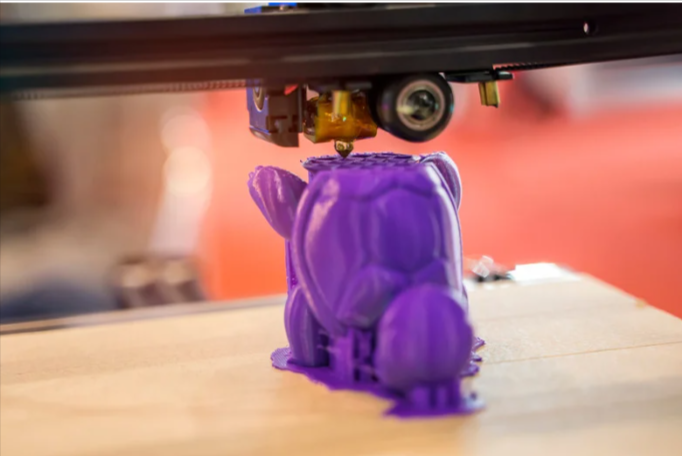
By the Hydrotech 3D Team | Buyer's Guide
Meta description: Planning to buy a printer for 3D printing in India? Learn how the technologies differ, what to expect on budget and how to choose a trustworthy seller in Chennai.
The first time you watch a 3D printer turn a blank build plate into a working part, it feels a little like magic. Then the practical questions arrive. Which type should you buy? How much will it really cost? Who do you call when a print fails at midnight?
This guide answers those questions in plain language, so you can choose a machine that fits your projects instead of one that merely looks impressive on a spec sheet.
Start With What You Want to Make
The single most useful question is also the simplest: what do you want to print? A student building a science project, a jeweller casting rings and an engineer testing brackets all need different things.
Most desktop machines fall into two families. FDM models melt plastic filament and lay it down layer by layer. They're quick to set up, produce strong parts and work with many materials, which makes them popular for enclosures, tools, prototypes and everyday objects. Resin models cure liquid photopolymer with UV light, producing far smoother surfaces and finer detail.
When Fine Detail Matters
If your work involves jewellery masters, dental models, miniatures or highly detailed prototypes, a Resin 3D printer is usually the better tool. The surface finish is smooth enough that layer lines almost disappear, and tiny features come out crisp.
There's a trade-off. Resin work needs washing and curing after each print, plus gloves, ventilation and careful disposal of waste liquid. Many serious users end up owning one of each type and choosing whichever suits the job.
Looking at the Real Numbers
Everyone asks about money first, and it's fair. When you start researching 3D printer cost, remember that the machine is only part of the picture. You'll also need filament or resin, spare nozzles or screens, build surfaces, finishing tools and, for resin, a washing and curing setup. A slightly higher upfront investment in a reliable model often saves money and frustration later.
Running costs depend on how much you print. Filament is sold by weight, and everyday objects use surprisingly little. Resin usually costs more per volume and needs cleaning supplies. Be honest with yourself about how often you'll print, because a machine that sits unused is the most expensive kind.
What to Expect in the Indian Market
Prices vary widely with technology, size, speed and brand. According to Hydrotech 3D's own guide, which was current at the time of writing, typical ranges look roughly like this:
- Entry-level FDM: around ₹15,000 to ₹35,000, suited to hobbyists, students and beginners
- Mid-range FDM: around ₹35,000 to ₹80,000, suited to creators, engineers and makers
- Resin models: from about ₹20,000 for compact detail-focused units, rising for professional systems
- Industrial and professional grade: from ₹1,00,000 upwards
When comparing 3D printer price in India, be cautious of listings that seem unusually cheap. They often involve units without valid Indian warranty support, missing accessories or older firmware. Always confirm what's in the box and how warranty claims are handled. Prices change, so check current listings before you decide.
Choosing Where to Buy
A machine is only as good as the support behind it. If you're searching for the best place to buy 3D printer in Chennai, look for a seller that offers genuine, authorised stock, real after-sales help and hands-on experience with what they sell.
Hydrotech 3D, based in Valasaravakkam, has been focused on printing technology since 2020 and is an authorised reseller for Bambu Lab, Elegoo, Phrozen, Snapmaker and Uniformation. The team says most orders within Tamil Nadu are dispatched within 24 hours, and customers can visit the store for a demo, see printed samples or get help over phone and WhatsApp.
A Quick Buyer's Checklist
- Define your output. Strong functional parts or fine visual detail?
- Match the size. Don't pay for build volume you'll never use.
- Plan for consumables. Budget for materials from day one.
- Check support. Ask about warranty, spare parts and local help.
- Ask for a demo. Seeing real prints beats any brochure.
- Start simple. Learn the basics before chasing advanced features.
Frequently Asked Questions
Which type is better for beginners? FDM machines are generally easier to start with because the materials are clean to handle and the workflow is simpler.
Can I buy online and get delivery in Chennai? Yes. Hydrotech 3D ships across India and says orders within Chennai and Tamil Nadu typically arrive in one to two days.
Do I need a special room or setup? A stable surface in a well-ventilated space is enough for most desktop machines. Resin work needs extra care with ventilation and protective gear.
How long does it take to learn? Most beginners print something useful within days. Mastering settings and materials takes longer, but communities and tutorials help.
Is after-sales support really that important? Yes. Firmware questions, failed prints and spare parts come up sooner or later, and good support saves time and money.
Final Thoughts
The best machine isn't the fastest or the cheapest. It's the one that suits your projects, your budget and the support you'll need. Take your time, ask questions and visit a store if you can.
To explore the range or talk to the team, visit hydrotech3dchennai.com or call +91-9445390912.
- Digital Agency
- Literie
- Location de voitures
- Restaurant
- Restaurant
- Mode
- Mode
- Information
- Marketing
- Tourisme
- Développement
- Découverte
- Législation
- Gastronomie
- Pâtisserie
- Event
- Art
- Causes
- Crafts
- Dance
- Drinks
- Film
- Fitness
- Food
- Games
- Gardening
- Health
- Home
- Literature
- Music
- Networking
- Other
- Party
- Religion
- Shopping
- Sports
- Theater
- Wellness
 English
 Indian
 French
 Arabic
 Spanish
 Portuguese
 Deutsch
 Turkish
 Dutch
 Italiano
 Russian
 Romaian
 Portuguese (Brazil)
 Greek
