


Bunion and Plantar Fasciitis Treatment: What Works and When to See a Specialist
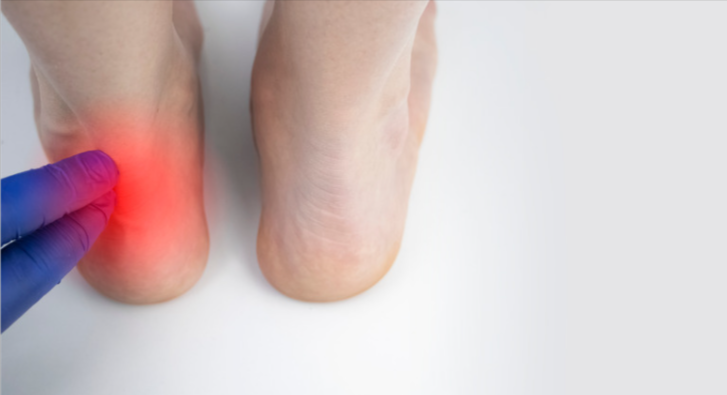
Two Common Foot Problems That Wear You Down
Some foot problems announce themselves with a bang. Bunions and plantar fasciitis are more like a slow drip: a bit of rubbing here, a sharp first step out of bed there, until one day you realise your footwear choices and weekend plans are being dictated by your feet.
The good news is that both are well understood and have a ladder of treatment options. Let's walk up it.
What Is a Bunion?
A bunion (hallux valgus) is a bony bump on the inner side of the foot at the base of the big toe. The big toe gradually drifts towards the others, and the joint at its base sticks out. Clinic information notes that bunions are more common in women, and more than a third of people over 65 have one.
Many people live with a bunion without trouble. It becomes a problem when:
-
Shoes become painful or impossible to fit
-
The joint is red, sore or swollen
-
The big toe pushes the other toes out of line, causing calluses or deformities
-
Pain starts to limit walking or work
A Sensible Approach to Treatment for Bunions
The right treatment for bunions depends on how much trouble yours is causing, not just how it looks. Many people do well with:
-
Wide, soft shoes with a roomy toe box
-
Padding or silicone toe spacers
-
Insoles recommended by a podiatrist
-
Pain relief when needed
These measures ease symptoms but don't straighten the toe. If the bunion keeps interfering with daily life despite them, surgery is the only way to correct the alignment.
Modern minimally invasive bunion surgery involves cutting and repositioning the bones through small skin incisions using specialised instruments and implants. Mr Akimau's clinic describes this as his approach, and notes that many patients find recovery quicker and less painful than they expected. As always, results vary and your surgeon will explain the risks.
What About a Tailor's Bunion?
A bunion can also form on the outside of the foot, at the base of the little toe. This is known as a tailor's bunion or bunionette, supposedly named after tailors who once sat cross-legged for long hours. It causes a tender bump that rubs against shoes.
If you're researching tailor's bunion treatment, the first steps are similar: roomier footwear, padding to reduce friction and a check on whether foot shape or alignment is contributing. If pain persists, a specialist can assess whether surgical correction is appropriate.
Plantar Fasciitis: The Heel Pain That Hits First Thing
The plantar fascia is a thick band of tissue running along the sole, from the heel to the toes. When it's irritated or inflamed, the result is plantar fasciitis. Around 1 in 10 people experience it, most commonly active adults between 25 and 65.
The classic sign is sharp pain with the first few steps in the morning, or after sitting for a while. It often eases as you move, then returns after a long day on your feet.
Starting With Simple Steps
Most cases settle without surgery, so a good plantar fasciitis treatment plan often begins with:
-
Stretching: calf and plantar fascia stretches done daily and consistently
-
Supportive footwear: cushioned shoes with good arch support
-
Night splints: to keep the fascia gently stretched while you sleep
-
Activity changes: reducing impact while the foot calms down
Treat the first few weeks as a proper commitment. Stretching once or twice and giving up is a common reason people feel nothing works.
When Stretching Isn't Enough
For stubborn heel pain, several plantar fasciitis treatments are available beyond self-care. These include injections and shockwave therapy. If simpler measures fail after a sustained period, surgery may be considered. The clinic describes a straightforward procedure that releases a small band of tissue in the calf area, after which patients can walk straight away. It isn't for everyone, and it's usually reserved for people who've genuinely tried the basics first.
Questions to Ask Your Specialist
-
What exactly is causing my pain?
-
What happens if I leave it alone?
-
Which non-surgical options are still worth trying?
-
If surgery is suggested, what are the risks and the recovery timeline?
-
How long before I can drive, work and exercise again?
Final Thoughts
Foot pain is common, but it shouldn't be ignored. Start with comfortable shoes and consistent self-care, and speak to a specialist if things aren't improving after a few weeks or if the pain is limiting your life.
Need an expert opinion? Find out more about bunion treatment, explore plantar fasciitis care, or contact Mr Akimau's clinic.
Frequently Asked Questions
Do all bunions need surgery? No. Many people never need it. Surgery is for those whose pain or deformity interferes with daily life.
Can bunions go away on their own? No. Footwear and padding can ease symptoms, but only surgery changes the alignment.
How long does plantar fasciitis last? It varies, but with proper care many cases improve over several months.
Are heel spurs the same as plantar fasciitis? Not exactly. They can occur together, but the pain usually comes from the inflamed tissue rather than the spur itself.
When should I see a specialist? If pain lasts more than a few weeks despite self-care, or if it's affecting walking and sleep.
- Digital Agency
- Literie
- Location de voitures
- Restaurant
- Restaurant
- Mode
- Mode
- Information
- Marketing
- Tourisme
- Développement
- Découverte
- Législation
- Gastronomie
- Pâtisserie
- Event
- Art
- Causes
- Crafts
- Dance
- Drinks
- Film
- Fitness
- Food
- Games
- Gardening
- Health
- Home
- Literature
- Music
- Networking
- Other
- Party
- Religion
- Shopping
- Sports
- Theater
- Wellness
 English
 Indian
 French
 Arabic
 Spanish
 Portuguese
 Deutsch
 Turkish
 Dutch
 Italiano
 Russian
 Romaian
 Portuguese (Brazil)
 Greek
